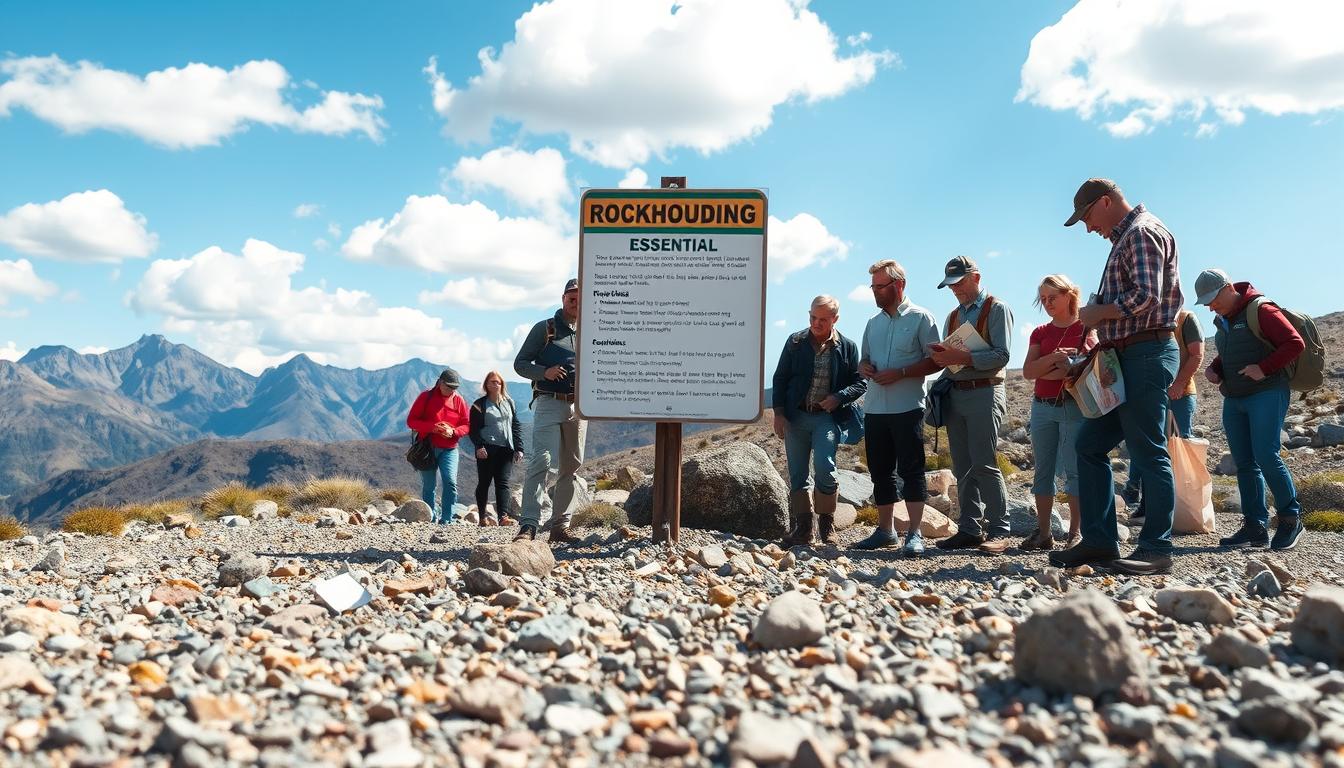
Removing rocks, minerals, or fossils from national parks is a big no-no under U.S. federal law (36 C.F.R. § 2.1). The law says you can’t take any natural or cultural resources from their place. This includes rocks, plants, and even small pebbles.
Those who take rocks without permission might get hit with big fines. It’s key to know the rules about rock collecting in protected places. For more on rock collection laws, check out this resource.
Key Takeaways
- Removing rocks from national parks is illegal under U.S. federal law.
- Unauthorized rock removal can result in fines and other penalties.
- Visitors should research local rules before collecting rocks or minerals.
- There are legal alternatives to collect rocks, such as on BLM lands or private property with permission.
- Photographing rocks is a recommended alternative to removing them.
Understanding Rock Collection Laws in the United States
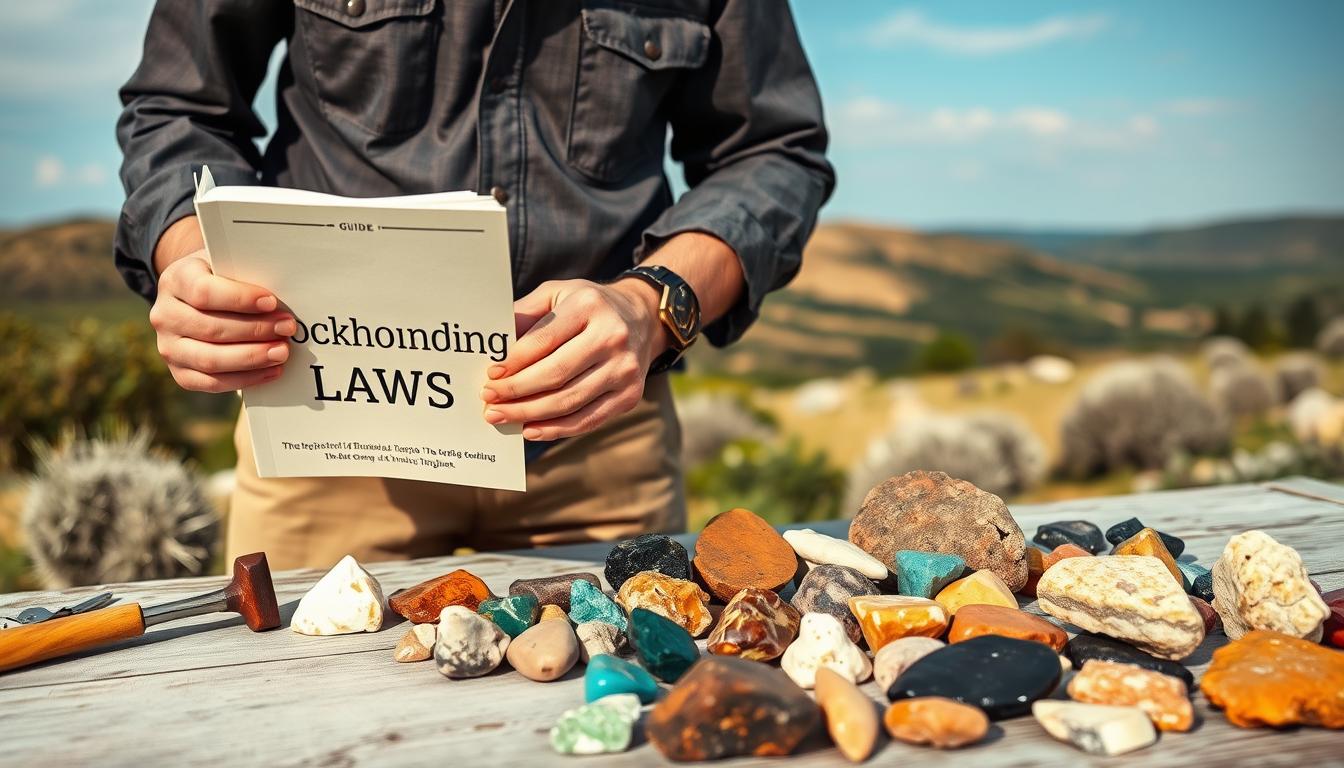
It’s important for rock collectors to know the laws. The rules for collecting rocks in the U.S. are complex. They involve federal, state, and local laws.
Federal Laws Governing Rock Collection
Federal laws are key in rock collection, mainly in national parks. The National Park Service bans taking rocks, minerals, and fossils. This is to keep natural and cultural resources safe for the future. Breaking these rules can lead to big fines.
State and Local Regulations
State and local laws also affect rock collection. These laws can change a lot from place to place. Some states protect certain rocks or minerals. Local rules might stop rock collecting in special areas, like protected habitats or historical sites.
Why These Laws Exist: Conservation and Preservation
These laws are mainly for conservation and preservation. They protect rocks, minerals, and fossils in their natural places. This keeps geological and archaeological sites intact. It also helps preserve our scientific and cultural heritage for future generations.
Types of Illegal Rock Collection Activities
Illegal rock collection includes many actions that break laws. These laws protect the environment, cultural heritage, and private property. Such actions can cause a lot of harm, like damaging ecosystems and losing biodiversity.
Taking Rocks from National Parks and Protected Lands
It’s a big no-no to take rocks from national parks and protected lands without permission. These places are special for their beauty and history. Removing rocks can mess up ecosystems and damage cultural sites. For example, places like Yellowstone and Yosemite have strict rules to keep their unique features safe.

Removing Rocks from Private Property
Collecting rocks from private land without permission is trespassing and theft. Landowners have the right to decide what happens on their land. Collecting rocks without permission can lead to fines and lawsuits. Always get permission from landowners before collecting rocks.
Mining Without Proper Permits
Mining, including rock and mineral extraction, needs the right permits and licenses. Doing it without permits is illegal and can bring big penalties. Mining without permits can pollute water and destroy habitats. Agencies like the Bureau of Land Management check mining to make sure it follows the rules.
Collecting Protected or Culturally Significant Specimens
Some rocks and minerals are protected because of their cultural, historical, or scientific value. Taking them without permission is illegal and can lead to serious penalties. Removing these specimens can erase history and harm cultural heritage. For instance, some fossils and gemstones are protected by law because they are rare and important for science.
What Happens If You Take Rocks Illegally: Penalties and Consequences
Removing rocks without permission can lead to big legal troubles. The punishment depends on where you are and the details of the case.
Federal Penalties and Fines
Removing rocks from national parks without a permit is a big no-no. The Archeological Resources Protection Act (ARPA) makes it clear. Vandalism in these parks can get you up to 2 years in jail and a $20,000 fine.
Federal penalties are meant to keep important sites and nature safe.
State-Level Consequences
State laws about rock collecting are different. Some states are very strict, while others are not as tough.
| State | Penalty for Unauthorized Rock Removal |
|---|---|
| California | Up to $1,000 fine and/or 6 months in jail |
| Texas | Up to $500 fine and/or 30 days in jail |
| New York | Up to $5,000 fine and/or 1 year in jail |
Criminal vs. Civil Penalties
There are two kinds of penalties for taking rocks illegally. Criminal penalties can mean fines and jail time. Civil penalties are usually just fines and paying back what was taken.
It’s important to know the difference for rock collectors.
How Enforcement Works
Keeping rock collection laws enforced involves many groups. These include federal and state park rangers, police, and special task forces.
Knowing the penalties for taking rocks illegally helps collectors stay out of trouble. It helps them follow the law and avoid harsh punishments.
Environmental and Cultural Impacts of Illegal Rock Collection
Illegal rock collection harms the environment and culture. It disrupts habitats and loses valuable scientific samples. For example, taking rocks from national parks damages ecosystems and upsets nature’s balance.
Ecological Damage
Illegal rock collection causes big ecological harm. It can hurt habitats and lead to species decline or extinction. For instance, removing rocks from unique geological areas harms endemic species found only there.

Loss of Scientific and Cultural Heritage
It also means losing scientific and cultural heritage. Many rocks and minerals are key to understanding Earth’s history. When taken illegally, they’re lost to science, depriving researchers of important data. Also, rocks with cultural value, like those in traditional practices or sacred, are lost, erasing cultural heritage.
To grasp these impacts fully, we must look closer at the consequences of illegal rock collection. By studying its effects on the environment and culture, we see why preserving our heritage is so vital.
Legal Ways to Collect Rocks and Minerals
Rock collecting can be a fun hobby if done right. It’s important to know how to collect rocks and minerals legally.
Obtaining Proper Permits and Permissions
Before you start collecting rocks, make sure you have the right permits. You might need a permit from the landowner or local authorities. For example, the Bureau of Land Management (BLM) gives permits for collecting rocks on some public lands. Always check with local authorities for specific rules in your area. You can learn more about legal rock collecting.
Public Lands Where Collection is Allowed
Many public lands let you collect rocks, but you need to know where. National forests and some BLM areas are good places to start. But, always check the local rules before you go.
Fee Mining Sites and Commercial Collecting Areas
Fee mining sites and commercial collecting areas are legal ways to collect rocks. These places usually charge an entrance fee but offer a variety of rocks to collect. North Carolina’s gem-rich areas and the western United States have many such sites.
| Type of Land | Collection Allowed | Permit Required |
|---|---|---|
| National Parks | No | N/A |
| BLM Lands | Yes | Yes |
| Private Property | Yes | Yes (from landowner) |
Best Practices for Ethical Rock Collection
To keep rock collecting sustainable, follow ethical practices. Respect private property, follow local laws, and reduce environmental harm. Also, consider the cultural and scientific value of the rocks you collect.
By following these tips and knowing the legal side of rock collecting, you can enjoy your hobby. It also helps protect our geological and cultural heritage.
[link-whisper-related-posts]Conclusion
Collecting rocks without permission can lead to big fines and harm the environment. It’s key to know the laws about rock collection to avoid trouble.
Breaking rock collection laws can hurt many things. It affects not just the person but also the environment and cultural sites. We must follow the rules to protect these things.
Rock collectors can make a big difference by being careful and informed. They should get the right permits, respect private land, and stay away from protected places.
In short, following rock collection laws is very important. This way, collectors can enjoy their hobby and help save our planet’s resources for the future.
FAQ
What are the consequences of taking rocks illegally from national parks?
Taking rocks from national parks without permission can lead to big fines and jail time. The punishment depends on the type and amount of rocks taken, and the reason for taking them.
Can I collect rocks on private property without permission?
No, taking rocks from private property without permission is trespassing and theft. It can result in fines and even jail time.
What is the difference between criminal and civil penalties for illegal rock collection?
Criminal penalties for taking rocks illegally can include fines and jail. Civil penalties are usually fines and paying for damages. The penalty depends on the offense’s severity and where it happened.
How can I legally collect rocks and minerals?
To collect rocks and minerals legally, get the right permits and permissions. You can collect on public lands where allowed or visit fee mining sites. Always collect ethically to protect the environment and cultural sites.
What are the environmental impacts of illegal rock collection?
Taking rocks illegally can harm ecosystems and destroy habitats. It can also erase cultural resources. These actions have long-term effects on the environment and communities.
Can I be fined for collecting rocks without a permit on public lands?
Yes, collecting rocks without a permit on public lands can result in fines. It’s important to know the rules and get permits before collecting.
What are the penalties for mining without proper permits?
Mining without permits can lead to big fines, paying for damages, and jail. The punishment depends on the mining activity and where it happened.
How do I know if a rock or mineral is protected or culturally significant?
To find out if a rock or mineral is protected, research laws and talk to experts. Some rocks and minerals are important for their cultural, scientific, or environmental value.

Subscribe to Our Newsletter