Rockhounding is a fun hobby that lets you search for and collect rocks, minerals, and fossils. But, many beginners unknowingly break the laws and regulations that govern this activity.
To avoid fines and penalties, it’s key to know the rules and best practices for rockhounding. This means getting the right permits, respecting private property, and following local rules.
By knowing the common mistakes beginners make, rockhounding fans can enjoy their hobby safely. They can do this by following the rockhounding code of ethics.
Key Takeaways
- Understand local rockhounding regulations before heading out
- Obtain necessary permits to avoid fines
- Respect private property and follow local guidelines
- Familiarize yourself with the rockhounding code of ethics
- Be aware of common rockhounding violations
Understanding the Legal Framework of Rockhounding
Rockhounding, or collecting rocks and minerals, has its own set of rules. These rockhounding regulations and rockhounding laws change a lot depending on where you are.
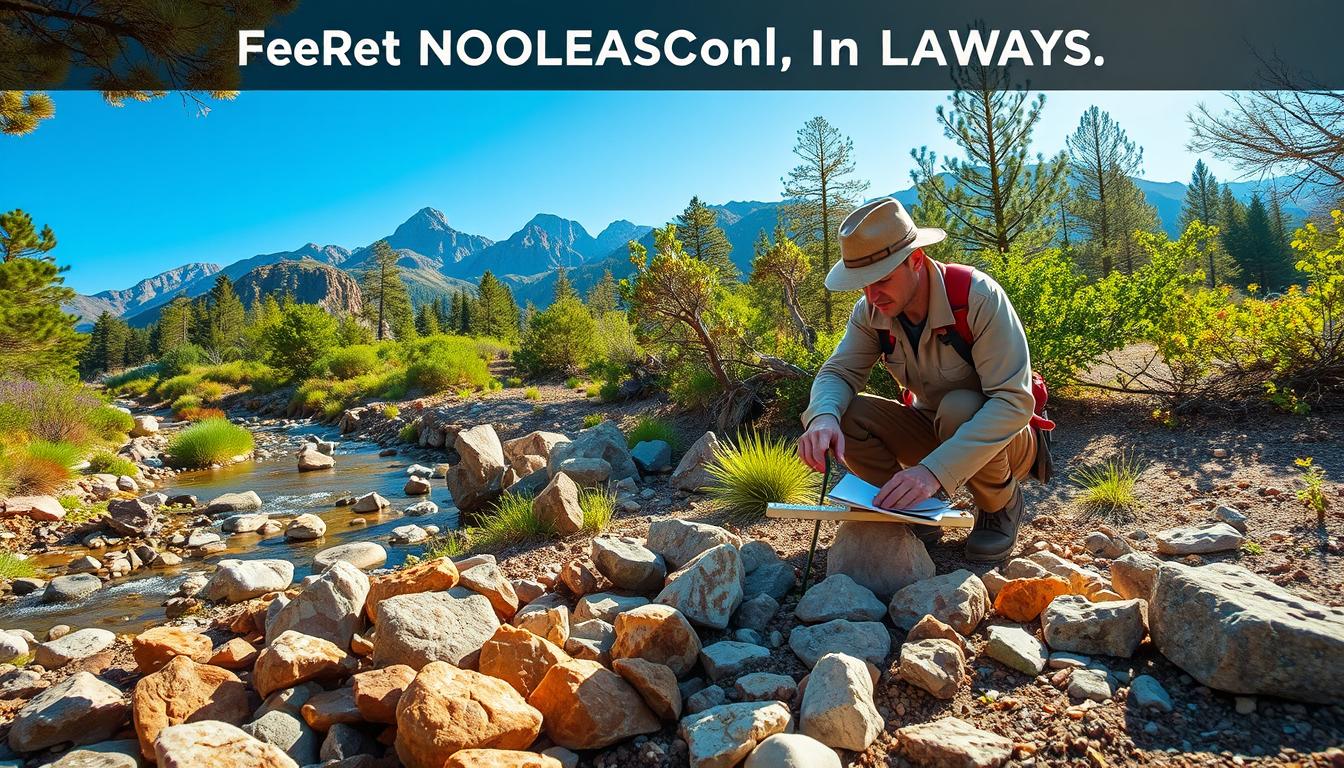
The type of land you’re on affects the laws you need to follow. Public lands, managed by the government, have their own rules. For example, the Bureau of Land Management (BLM) lets you collect rocks for personal use on most of its lands. But, some areas might be off-limits or have special rules. Knowing these rules helps you stay out of trouble.
| Land Type | Regulations | Permit Requirement |
|---|---|---|
| Public Lands (BLM) | Generally open to rockhounding for personal use | No permit required for personal use |
| National Parks | Collecting is often prohibited or heavily restricted | Permit usually required, if allowed |
| Private Lands | Permission from landowner required | Permit or agreement with landowner |
If you’re new to rockhounding, knowing about rockhounding permits is key. Some places need a permit, even for just collecting for fun. Following these rules helps avoid legal problems and keeps nature safe for everyone.
Trespassing: The Most Common Violation in Rockhounding
The most common problem in rockhounding is trespassing. This happens when people go onto private land without saying they can. Many rockhounds don’t know who owns the land, so they trespass by accident.
To stay out of trouble, it’s key to know the difference between public and private land. Public lands are managed by the government, like national forests. These places often let you rockhound. But, private lands are owned by people or companies, and you need permission to enter.
Finding out if land is private can be hard. Boundaries might not be clear. But, there are ways to avoid trespassing. You can research the area, use maps, and look for signs of private property.
Before you go rockhounding, it’s smart to talk to landowners or local authorities. They might let you rockhound on their land if you ask nicely. This shows respect for their property.
Breaking the rules can lead to big problems, like fines and lawsuits. So, knowing and following the rules about trespassing is very important. It helps keep rockhounding fun for everyone.
By knowing the difference between public land and private land, rockhounds can have fun without trespassing. This way, they can enjoy their hobby without breaking the rules.
Rockhounding Laws Beginners Commonly Break When Collecting on Public Lands
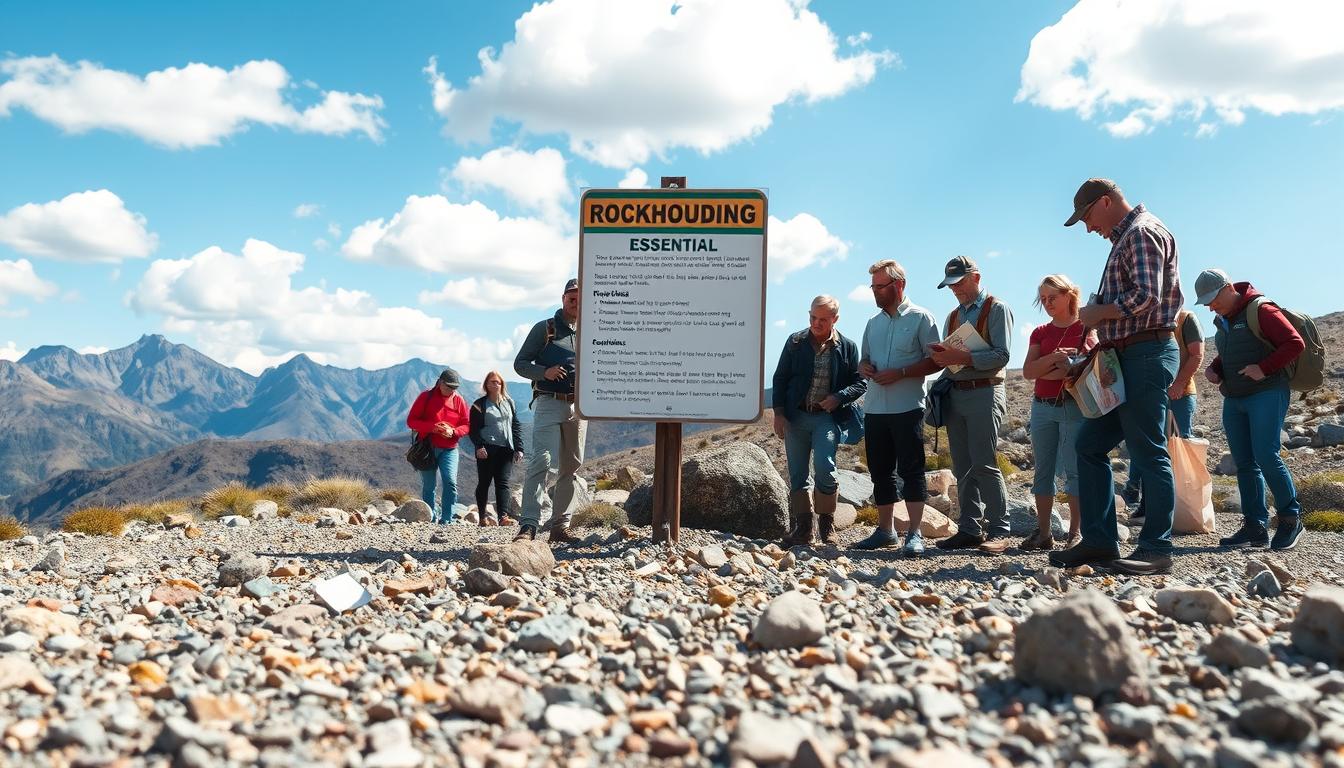
Public lands are great for rockhounding, but many don’t know the rules. The Bureau of Land Management (BLM) and other agencies manage huge areas. Rockhounding is usually okay, but there are rules to follow.
Understanding BLM Regulations is key for rockhounding on BLM lands. These rules change by place, but most let you collect rocks and minerals for fun. But, permit requirements apply for big collections or special items.

It’s important to know the rules for public lands. National forests and BLM lands have different rules. Beginners should learn the rules of their visit spot.
Some important things to remember when rockhounding on public lands include:
- Know the difference between collecting for fun and for money, which needs a permit.
- Learn the rockhounding laws and rules of your area, including what you can collect.
- Be aware of closed areas or special rules, like for the environment or culture.
By knowing the rules, rockhounding fans can enjoy their hobby legally and responsibly. Remember, rules can change, so always stay updated.
Permit and Quantity Restriction Violations
Knowing permit requirements and quantity restrictions is key for rockhounding fans. This hobby is fun but has rules to protect the earth’s resources.
Many places need a permit for rockhounding. These permit requirements help control who collects and follow local laws. Some spots limit how much you can take each day or trip.

Quantity restrictions are also important. They say how much you can collect in a time. Breaking these rules can lead to fines. It’s vital to know the quantity restrictions where you go.
To stay out of trouble, learn the rules well. Know about permits, collection limits, and other rules. For more info, check out rockhounding regulations on official sites.
Following permit requirements and quantity restrictions helps keep the hobby alive. It lets us enjoy rockhounding now and for years to come.
Protected Specimens and Materials You Cannot Collect
Rockhounding is fun, but you must know the rules. Some things are off-limits by law. This helps keep our planet and history safe.
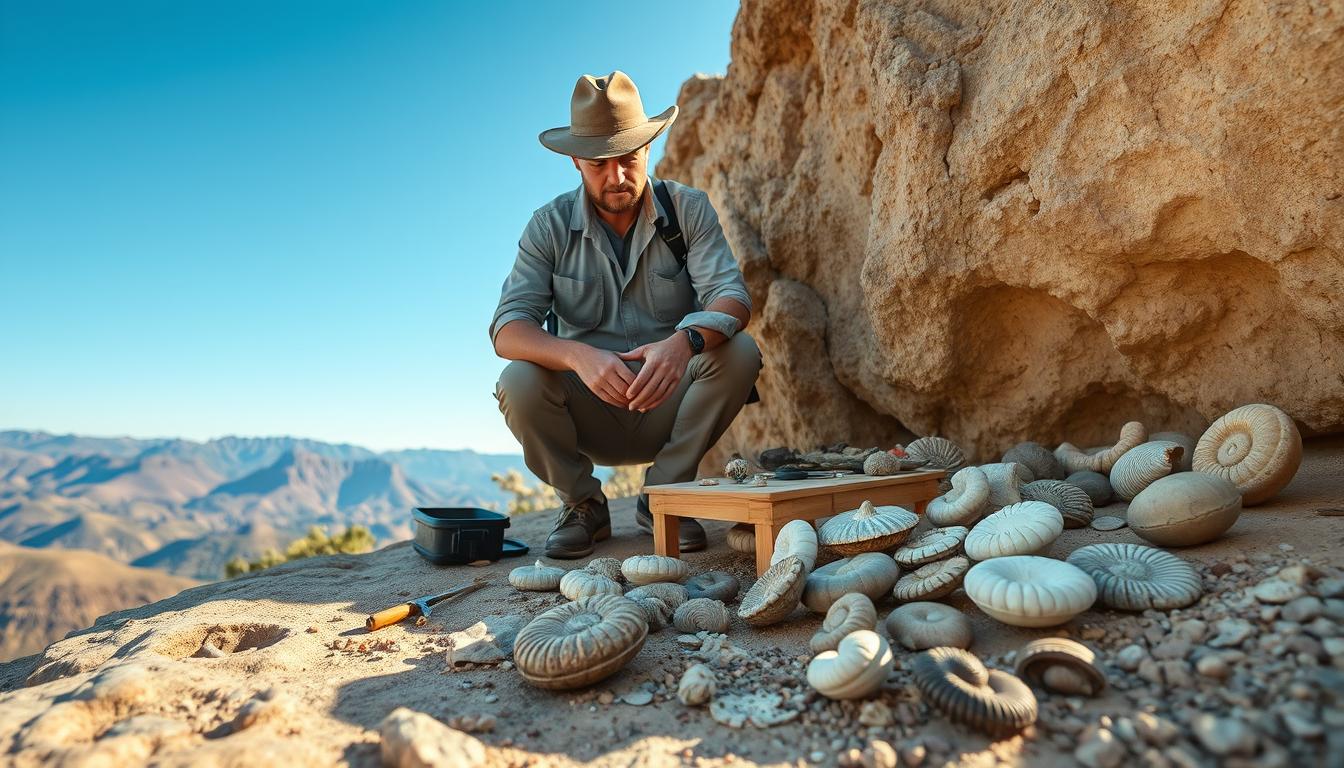
Fossils tell us about the past. But, taking fossils from places like national parks is not allowed. This includes dinosaur bones and plant fossils.
Archaeological artifacts are also protected. This includes old tools, pottery, and even human remains. Taking these without permission is a big no-no.
Protected Materials
- Fossils of vertebrates, invertebrates, and plants
- Archaeological artifacts such as pottery, tools, and human remains
- Native American cultural items
- Historic artifacts found in national parks or monuments
Some places have special rules for collecting minerals and gemstones. Areas might be closed for environmental or cultural reasons.
For more info on rockhounding rules, check out this link from the British Columbia Geological Survey.
[link-whisper-related-posts]Conclusion: Ethical Rockhounding and Staying Legal
By following rockhounding laws and rockhounding regulations, we can enjoy our hobby. This way, we also protect the environment. It’s key to stay informed and follow these rules for rockhounding to last.
As we go on, let’s keep promoting ethical rockhounding. We should always respect the natural world.
## FAQ
### Q: What are the most common mistakes that beginners make in rockhounding?
A: Beginners often trespass, collect without permits, and break quantity rules. They might also collect protected items.
### Q: What is trespassing in rockhounding, and how can I avoid it?
A: Trespassing is entering private land without permission. To avoid it, get permission first. Also, watch for signs and boundaries of private land.
### Q: What are the regulations that govern rockhounding on public lands?
A: Public lands have rules for rockhounding. These include permits, quantity limits, and what you can’t collect.
### Q: What are permit and quantity restriction violations in rockhounding?
A: These happen when you collect without a permit or too much. Always get the right permits and follow quantity rules.
### Q: What specimens and materials are protected and cannot be collected?
A: Fossils, archaeological items, and endangered species are off-limits. Collecting them can lead to big penalties.
### Q: Why is it essential to follow the laws and regulations in rockhounding?
A: Following the rules helps avoid fines and keeps rockhounding fun for others. It makes sure the hobby stays good for everyone.
### Q: How can I stay informed about the laws and regulations that govern rockhounding?
A: Check with local authorities and join clubs. This way, you’ll know the rules and can enjoy rockhounding responsibly.
### Q: What is the importance of ethical rockhounding?
A: Ethical rockhounding means following the rules, respecting land, and thinking about the environment. It keeps the hobby good for all of us.

Subscribe to Our Newsletter