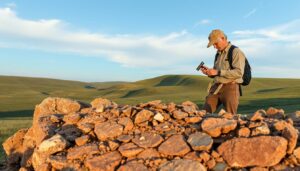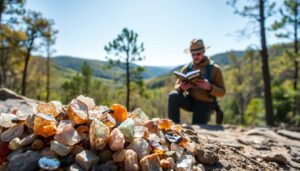
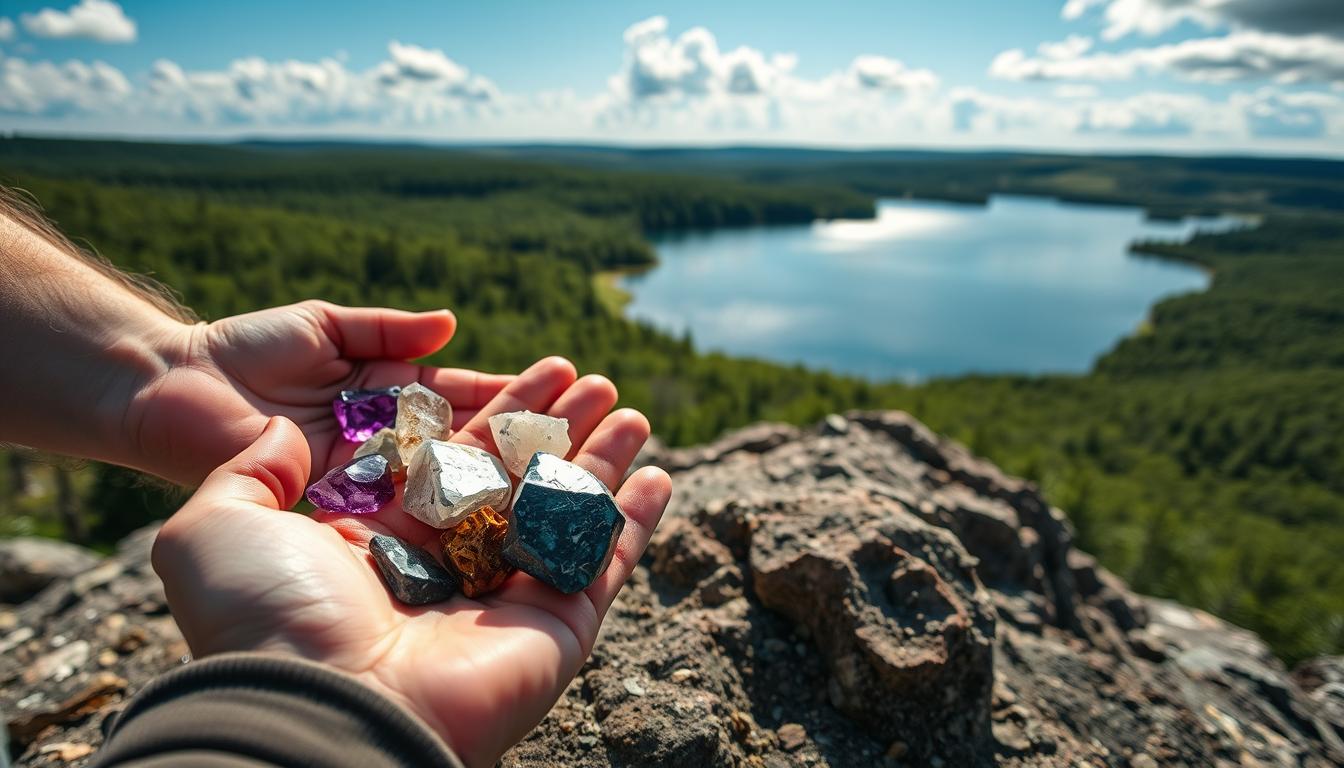
Rockhounding is a fun activity in Wisconsin. Many places have rocks, minerals, and fossils to find. But, it’s important to know the regulations governing rockhounding in the state.
The Wisconsin Department of Natural Resources has rules for rockhounding. You need permission to collect rocks, minerals, or fossils. This is for noncommercial use only.
There are limits on how much you can collect. You can take up to 5 pounds a day. And, you can collect up to 50 pounds in a year. This is all stated in the Wisconsin administrative code.
Key Takeaways
- Obtain written permission from property managers before collecting rocks, minerals, or fossils.
- Adhere to collection limits: 5 pounds per day and 50 pounds per year.
- Certain areas, like state trails and natural areas, have restricted access.
- Metal detectors can only be used with a written permit.
- Be aware of closing hours for specified state lands.
Understanding Rockhounding Laws and Rules in Wisconsin
Rockhounding is a fun hobby in Wisconsin. It involves collecting rocks, minerals, and fossils. The state’s varied geology makes it perfect for rockhounding fans.
What Constitutes Rockhounding in Wisconsin
In Wisconsin, rockhounding means collecting geological materials. This includes rocks, minerals, and fossils. The Wisconsin Department of Natural Resources has rules about what and how much you can collect.
Types of Materials You Can Collect
You can find many things to collect, like agates and quartz crystals. State laws decide what you can take. For details, check out this link.
Why Regulations Exist for Rock Collecting
Rules protect Wisconsin’s natural treasures. They ensure rockhounding is done right. Knowing these rules helps keep the state’s geology safe for everyone.
Legal Framework for Rock and Mineral Collection
Rockhounding in Wisconsin follows a complex set of laws. These laws are from both the state and federal governments. It’s key for rockhounding fans to know these laws. This ensures they collect rocks and minerals legally and with care.
State Regulations Governing Rockhounding
Wisconsin has rules for rockhounding. These rules help protect the environment and keep natural resources safe. They also let rockhounding fans enjoy their hobby.
- State Parks and Forests: Rockhounding is allowed in some state parks and forests. But, there are specific rules and restrictions.
- Public Lands: The Wisconsin Department of Natural Resources (DNR) manages public lands. Some of these lands are open to rockhounding.
Federal Laws Applicable in Wisconsin
Federal laws also apply to rockhounding in Wisconsin. This is true for federal lands like national forests and wildlife refuges.
Key Federal Regulations:
- The Antiquities Act of 1906 protects archaeological resources on federal lands.
- The Mining Law of 1872 lets people extract minerals on federal lands. But, there are rules to follow.
Required Permits and Documentation
Collectors might need permits or documentation for rockhounding. This depends on where they are and what they’re doing.
- Permits: Some places need a permit for collecting rocks or minerals. The Wisconsin DNR issues these permits for certain activities.
- Documentation: Collectors might need to show proof of residency or ID.
How to Apply for Permits
To get a permit, rockhounding fans should reach out to the Wisconsin DNR. The process includes:
- Submitting an application form.
- Providing the needed documentation.
- Paying any fees that apply.
By following the laws for rockhounding in Wisconsin, collectors can enjoy their hobby. They also help protect the state’s natural resources.
Where You Can Legally Rockhound in Wisconsin
Wisconsin has many places for rockhounding fans to explore. You can find public lands, state parks, and forests to collect rocks. Knowing where to go is key for a fun rockhounding trip.
Public Lands Open for Collection
Public lands in Wisconsin are great for rockhounding. The Bureau of Land Management (BLM) and the U.S. Forest Service manage these areas. But, always check local rules and any special rules before you go.
- BLM lands often allow for the collection of rocks and minerals for personal use.
- Some areas may be closed due to environmental or cultural sensitivity.
State Parks and Forests Regulations
Wisconsin’s state parks and forests are great for outdoor fun. They have rules for rockhounding:
| Location | Regulations |
|---|---|
| State Parks | Collecting rocks and minerals is generally allowed for personal use. But, some parks may have special rules. |
| State Forests | Rock collecting is permitted, but check for any local restrictions or permits required. |
Private Property Considerations
Rockhounding on private land needs permission from the owner. Make sure you have permission before collecting rocks or minerals on private land.
Always obtain permission before entering private property.
Popular Rockhounding Locations in Wisconsin
Wisconsin has many rockhounding spots, each with its own special rocks. Some top places include:
- Wisconsin Dells – Known for its interesting rock formations.
- Baraboo Hills – Offers a variety of geological specimens.
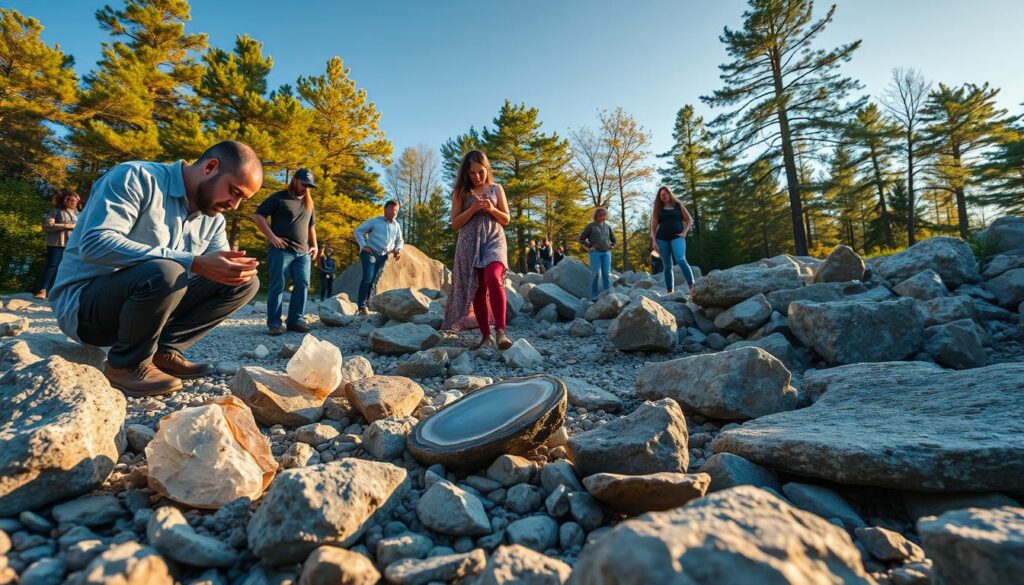
Collection Guidelines and Restrictions
To enjoy rockhounding in Wisconsin, you need to know the rules. These rules help protect nature and keep rockhounding fun.
Quantity Limitations and Tool Restrictions
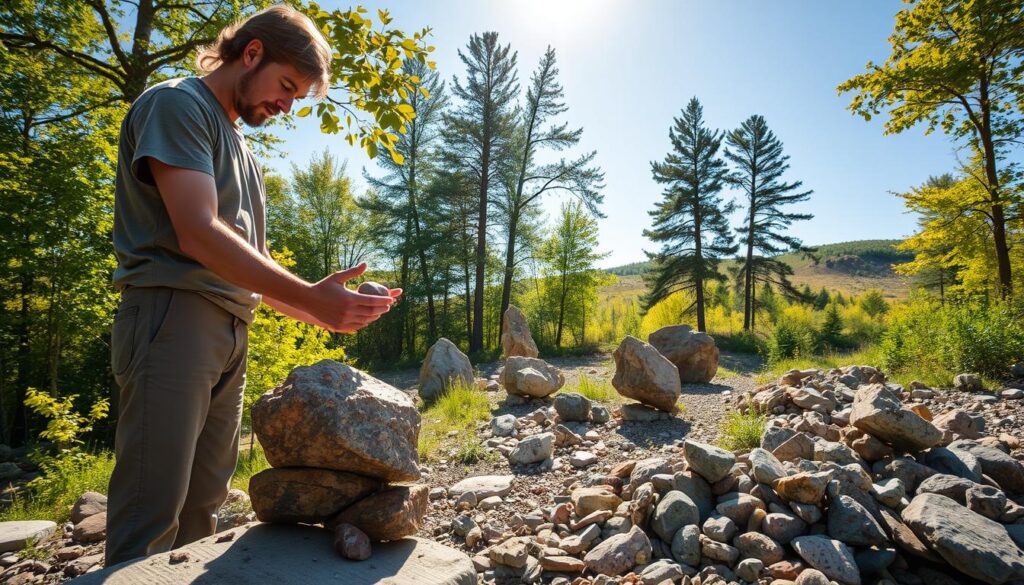
The Wisconsin Department of Natural Resources has rules for how much you can collect and what tools you can use. For example, there are limits on the amount of material an individual can collect per day. Some tools are not allowed to protect the environment.
Rockhounds must follow certain rules to not harm the environment. This means using the right tools and not taking too much.
Material-Specific Regulations
Each type of material has its own rules. Knowing these rules is key to rockhounding the right way.
Mineral Collection Rules
Collecting minerals has its own set of rules. Some minerals are protected or need special permits. The Wisconsin administrative code has guidelines for collecting minerals.
Fossil Collection Guidelines
Fossils have their own rules too. These rules help make sure fossils are collected and kept for the future.
Gemstone and Crystal Restrictions
Gemstones and crystals also have rules. These might include limits on how much you can collect or need for permits.
Penalties for Violations
Breaking the rules can lead to penalties. These penalties help keep Wisconsin’s nature safe and encourage following the rules.
Ethical Rockhounding Practices
Being a good rockhound is more than just following the law. It’s about respecting others, taking care of the environment, and being kind to fellow rockhounds.
[link-whisper-related-posts]Conclusion
Knowing the Rockhounding Laws in Wisconsin is key to keeping the state’s nature safe. The rules help make sure rockhounding is done right.
By following the tips in this article, rockhounds can have fun and help protect Wisconsin’s rocks. It’s important to keep the state beautiful for everyone in the future.
When you go rockhunting in Wisconsin, always respect private land. Follow the laws and collect rocks and minerals carefully. This way, you help keep Wisconsin’s nature safe for a long time.
FAQ
What is rockhounding, and is it allowed in Wisconsin state parks?
Rockhounding is collecting rocks, minerals, and fossils. In Wisconsin, you can rockhound in state parks. But, there are rules like permits and limits on what you can take.
Do I need a permit to go rockhounding on public lands in Wisconsin?
Yes, you might need a permit for public lands in Wisconsin. This is true if you collect a lot or use special tools. Always check with the Wisconsin Department of Natural Resources first.
Can I collect rocks and minerals on private property in Wisconsin?
No, you can’t collect on private property in Wisconsin without permission. Always get permission to avoid trespassing and other problems.
Are there any specific regulations or restrictions on the types of materials I can collect while rockhounding in Wisconsin?
Yes, there are rules on what you can collect. Some places are off-limits for collecting. Also, certain items like fossils or Native American artifacts are protected by law.
What are the penalties for violating rockhounding regulations in Wisconsin?
Breaking the rules can lead to fines, losing your gear, or other penalties. It depends on the rule broken and where it happened.
How can I ensure that I’m rockhounding responsibly and sustainably in Wisconsin?
To rockhound right, follow all rules and respect private and protected areas. Don’t harm the environment or disturb others. Joining a local club can also help you learn and stay updated.
Are there any popular rockhounding locations in Wisconsin that I should know about?
Yes, Wisconsin has many great spots. Try the Kettle Moraine State Forest, the Mississippi River bluffs, and the southeastern glacial deposits.
Can I use power tools for rockhounding in Wisconsin?
Using power tools might be restricted in Wisconsin. It depends on where you are and what tool you’re using. Always check with the authorities first.

Subscribe to Our Newsletter