South Dakota is a great place for rockhounds. It has a rich geological history and many minerals. But, collecting rocks, minerals, and fossils has rules. It’s important to know these rules to rockhound legally and responsibly.
The state has laws for collecting geological materials on public lands. These laws change based on where you are, what you’re collecting, and why. It’s key to understand these rules.
Key Takeaways
- Understand state statutes regarding rockhounding in South Dakota.
- Familiarize yourself with public land collection regulations.
- Know the rules for collecting fossils on state and federal lands.
- Be aware of permits required for rockhounding activities.
- Respect private property rights when rockhounding.
Overview of South Dakota’s Geological Treasures
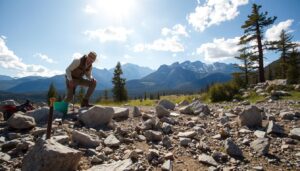
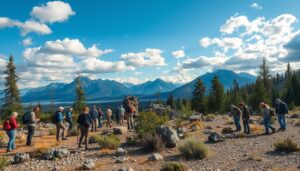
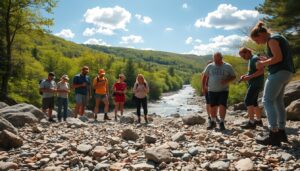
South Dakota is famous for its rich geological history. It’s a dream spot for rockhounds and mineral fans. The state’s varied landscape offers many chances to find rocks and minerals.
Notable Rocks, Minerals, and Fossils
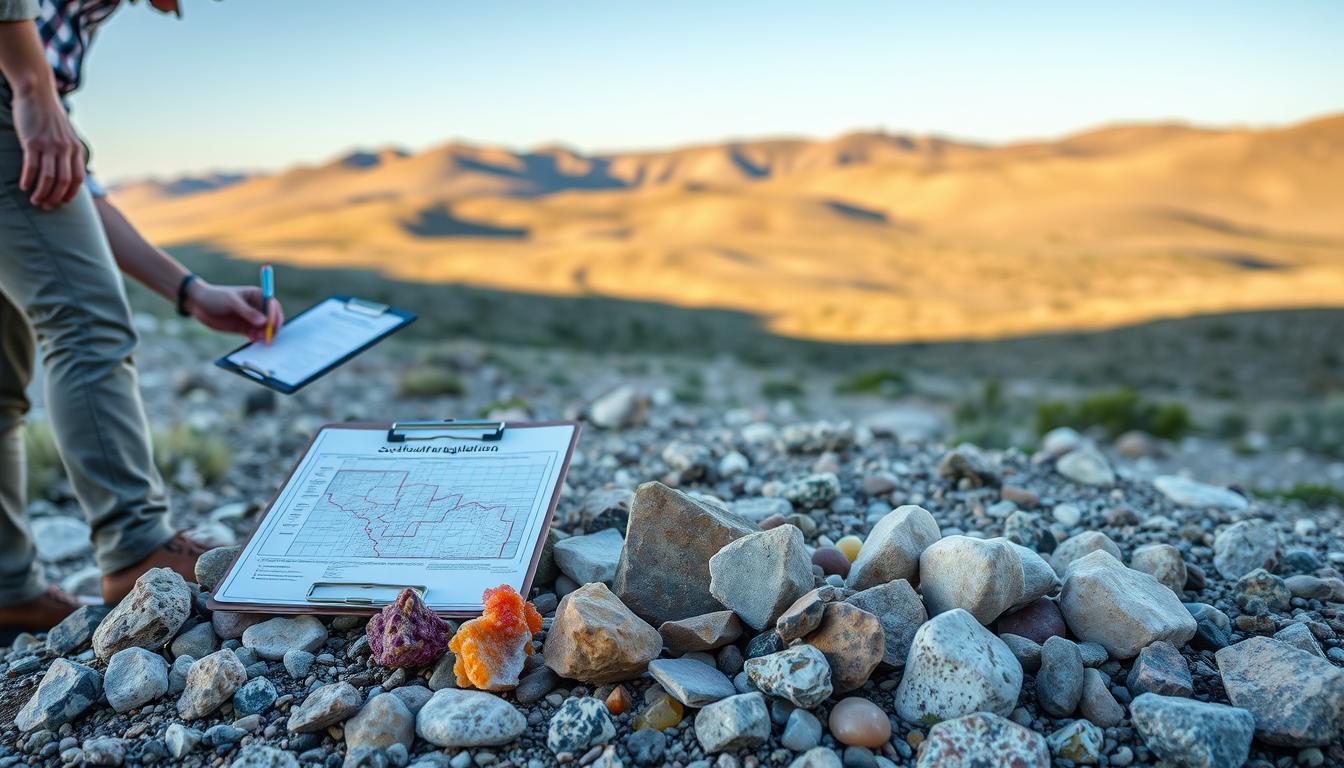
The Black Hills and Badlands are key spots for rockhounding in South Dakota. These places are full of precious gemstones, minerals, and fossils. You can find rocks like agate, quartz, and mica, and fossils from old creatures.
Historical Significance of Rockhounding in the State
Rockhounding has been a part of South Dakota for a long time. It started when explorers and settlers first came. The state’s treasures have always been interesting and valuable.
For more on rockhounding laws and tips in South Dakota, check out this resource.
The Bureau of Land Management lets people collect rocks, minerals, and gemstones for fun. This rule helps rockhounds enjoy their hobby while caring for the state’s nature.
Rockhounding Laws and Rules in South Dakota
To have a great time rockhounding in South Dakota, knowing the laws is key. It’s important to know the rules about collecting rocks and minerals. This helps avoid any legal trouble.
State Statutes Governing Rock and Mineral Collection
South Dakota has laws for collecting rocks and minerals. Using big equipment like dredges needs a mining permit. But, tools like picks and metal detectors don’t need a permit. They must follow South Dakota’s Water Quality Standards.
Permit Requirements and Application Process
The Department of Environment and Natural Resources oversees mining rules. For big equipment, you must get a mining permit. To apply, you need to send in the right papers and follow the department’s rules.
Seasonal Restrictions and Limitations
There are no specific times when you can’t rockhound in South Dakota. But, you should know about local rules in places like state parks. Always respect private land and areas where collecting is not allowed.
| Equipment Type | Permit Required | Regulations |
|---|---|---|
| Mechanized (dredges, etc.) | Yes | South Dakota Water Quality Standards, Mining Permit |
| Non-Mechanized (picks, shovels, etc.) | No | South Dakota Water Quality Standards |
By following these rules, rockhounding fans can enjoy their hobby. They also help protect South Dakota’s natural beauty.
Public Land Collection Regulations
If you love collecting rocks and minerals, knowing the rules in South Dakota is key. The state has many public lands for rockhounding. But, there are rules to follow for sustainability and safety.
Black Hills National Forest Rules
In the Black Hills National Forest, you can collect rocks and minerals for yourself. You need a free permit from the U.S. Department of Agriculture Forest Service.
Buffalo Gap National Grassland Policies
Buffalo Gap National Grassland also lets you collect rocks and minerals for personal use. But, some areas might be off-limits for environmental or cultural reasons.
State Parks and Recreation Areas Guidelines
State parks in South Dakota have their own rules for rock and mineral collecting. Always ask park rangers for the latest guidelines.
Custer State Park Specific Rules
Custer State Park lets you rockhound in certain spots. But, you can’t collect for money.
Badlands National Park Restrictions
Badlands National Park has strict rules for collecting rocks and fossils. You can’t take vertebrate fossils, for example.
| Location | Permitted Activities | Restrictions |
|---|---|---|
| Black Hills National Forest | Rock, mineral, and semi-precious stone collection for personal use | Requires free use permit; restricted areas apply |
| Buffalo Gap National Grassland | Rock and mineral collection for personal use | Certain areas restricted due to environmental or cultural concerns |
| Custer State Park | Rockhounding in designated areas | No commercial collection allowed |
Knowing these rules is important for a good rockhounding trip in South Dakota. Always check with local authorities for the latest info.
Fossil Collection Regulations
Rockhounding in South Dakota is exciting, but knowing the rules is key. The state is famous for its fossils. The Paleontological Resource Preservation Act helps protect these treasures. It makes sure collecting is done right.
Vertebrate Fossil Collection Prohibitions
Vertebrate fossils, like dinosaur bones, are off-limits in South Dakota. You need a special permit to collect them. This law keeps these fossils safe for science and history lovers.
Notable Fossils and Collection Guidelines
Invertebrate and plant fossils have their own rules. You might be able to collect them for fun, but check the local laws first. Some places might not let you collect, or you might need a permit.
| Fossil Type | Collection Rules |
|---|---|
| Vertebrate Fossils | Generally prohibited without a permit |
| Invertebrate and Plant Fossils | Casual collection allowed for personal use, but check local regulations |
It’s smart to talk to experts or authorities about collecting fossils in South Dakota. This way, you avoid trouble and help keep the state’s fossils safe. By following the rules, rockhounds can have fun and respect the fossils’ importance.
Private Property and Mining Claims
Rockhounding in South Dakota means knowing the rules about private land and mining claims. You need to get permission from landowners to collect on private land. This way, you respect the landowners and can enjoy your hobby.
Obtaining Permission from Landowners
To collect rocks, minerals, or fossils on private land, ask the landowner first. You can call or email them to explain your visit. Make sure to agree on any rules they have.
Active Mining Claims and Restricted Areas
South Dakota has places where mining is happening or collecting is not allowed. Know these areas and follow their rules. Some places are closed for safety or to protect the environment.
Fee Dig Sites in South Dakota
South Dakota has fee dig sites for rockhounds. Here, you can pay to collect rocks, minerals, or fossils. These sites have rules to make sure you have a good time.Key Considerations for Rockhounds
- Always get permission before collecting on private land.
- Know and follow the rules in active mining claims and restricted areas.
- Think about visiting fee dig sites for a guided experience.
By following the rules for private land and mining claims, rockhounds can enjoy their hobby. They also help protect South Dakota’s natural treasures.
Penalties and Enforcement
It’s important to know the penalties for breaking rockhounding rules. In South Dakota, these violations can lead to big fines and legal trouble.
Fines and Legal Consequences for Violations
The state gives out substantial fines for breaking rockhounding rules. These fines can be hundreds or even thousands of dollars. It depends on how serious the violation is.
Reporting Illegal Collection Activities
It’s key to report illegal rockhounding. If you see or think someone is breaking the rules, tell the authorities right away.
Recent Enforcement Cases
South Dakota takes rockhounding violations very seriously. For example, some people got fined for taking fossils without the right permits in state parks.
By following the rules, rockhounding fans help keep South Dakota’s geology safe for the future.
[link-whisper-related-posts]Conclusion
Knowing South Dakota’s rockhounding rules is key for a good time. The state’s history and minerals attract many rockhounds. It’s important to follow the rules to protect these treasures.
There are different rules for public lands, state parks, and private areas. For example, you need a mining permit for big equipment. But, you can use hand tools without a permit, as long as you follow water quality rules. For more details, check out the South Dakota Department of Agriculture and Natural Resources.
Following these rules helps keep South Dakota beautiful for everyone. It makes rockhounding safe and fun. Plus, it helps save the state’s minerals for the future.
FAQ
What are the general rockhounding laws in South Dakota?
In South Dakota, you can rockhound on public lands like national forests. But, there are rules for each place.
Do I need a permit to collect rocks and minerals in South Dakota?
For personal use, you usually don’t need a permit. But, commercial collecting might need one. Some places have special rules.
Can I collect fossils in South Dakota?
Yes, you can collect fossils here. But, there are rules, like for vertebrate fossils. Always check the rules and get any needed permits.
Are there any seasonal restrictions for rockhounding in South Dakota?
Yes, some places like state parks have rules. Always ask local authorities or park rangers for details.
Can I collect rocks and minerals on private property in South Dakota?
No, you need the landowner’s permission. Always get written permission before collecting on private land.
What are the rules for collecting in the Black Hills National Forest?
Rockhounding is allowed for personal use here. But, there are rules. Check with the U.S. Forest Service for details.
Are there any fee dig sites in South Dakota?
Yes, there are places where you can dig for gems for a fee. Each site has its own rules.
What are the penalties for violating rockhounding regulations in South Dakota?
Breaking the rules can lead to fines and legal trouble. The penalty depends on the violation and the rules broken.
How can I report someone violating rockhounding regulations?
Report violations to the South Dakota Department of Environment and Natural Resources or local police. It depends on the violation.

Subscribe to Our Newsletter