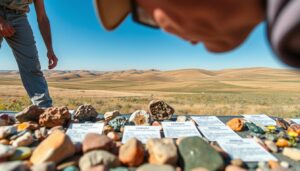
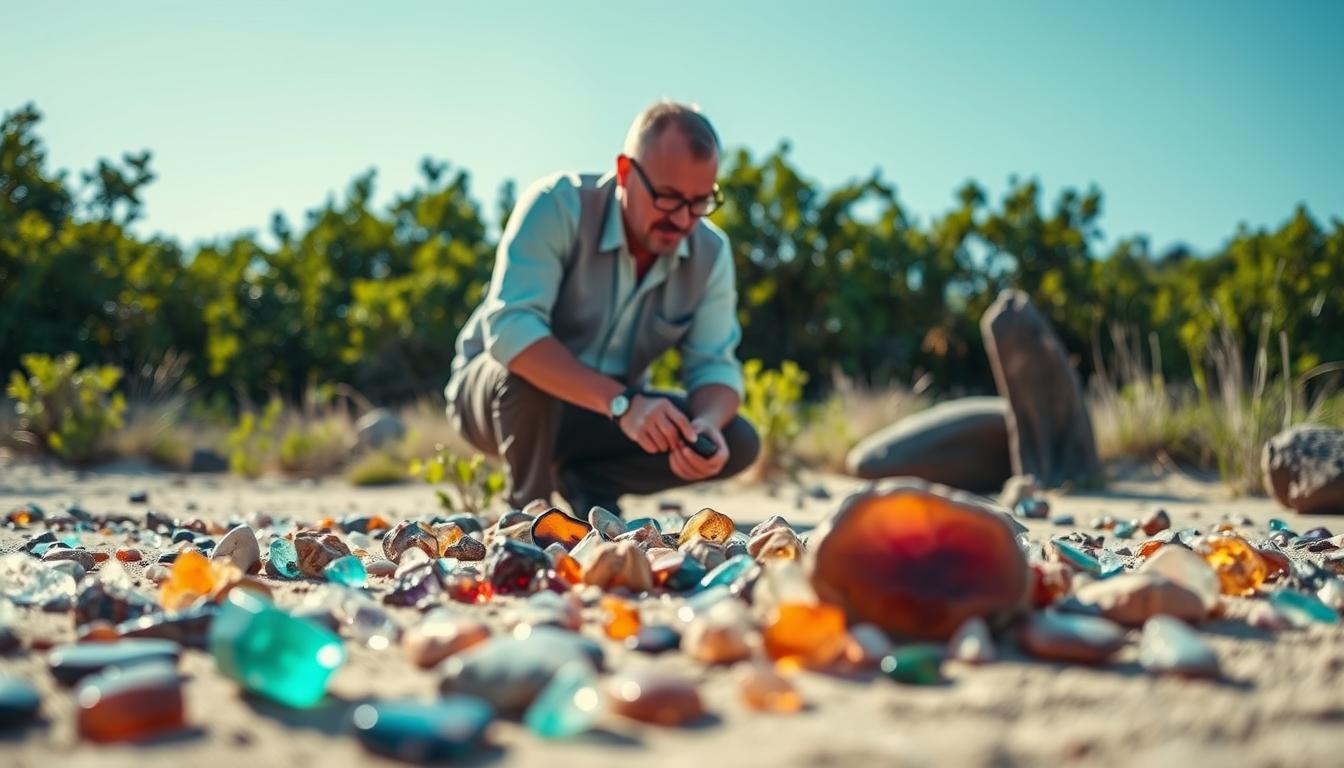
South Carolina is a treasure trove for rockhounds. Its varied landscapes, from mountains to plains, are filled with minerals and rocks. But, there are rules to protect the environment and private land.
The South Carolina Mining Act is key for rockhounding. It covers permits, where you can rockhound, and how to protect the environment.
Key Takeaways
- Understand the South Carolina Mining Act and its implications for rockhounding.
- Familiarize yourself with local regulations and permits required.
- Respect private property and environmental protections.
Understanding Rockhounding Laws and Rules in South Carolina
It’s important to know the laws about rockhounding in South Carolina. This hobby involves collecting rocks and minerals. It must be done in a way that respects the environment and laws.
Definition of Rockhounding and Legal Terms
Rockhounding means looking for and collecting rocks, minerals, and fossils. In South Carolina, there are rules about what you can collect, where, and when.
Explanation of Key Legal Terms
Important terms include “public lands,” “private property,” and “protected areas.” Public lands usually allow rockhounding, but there might be rules. Private property needs permission from the owner. Protected areas might not let you collect anything.
For more info on hobby licenses and FAQs, check out the University of South Carolina’s Institute of Archaeology and Anthropology page.
| Term | Definition |
|---|---|
| Public Lands | Lands owned by the government, generally open to rockhounding with some regulations. |
| Private Property | Land owned by individuals or entities, requiring permission for rockhounding. |
| Protected Areas | Areas with legal protections, potentially restricting or prohibiting rockhounding. |
Legal Rockhounding Locations in South Carolina
South Carolina has many places where you can find minerals and fossils. These spots are open to rockhounding fans. You can explore public lands to find these treasures.
Public Lands Open for Collection
South Carolina lets you collect minerals and fossils in many public areas. These places are managed by the government. This way, the land is safe, and you can collect.
Bureau of Land Management Areas and County Properties
Bureau of Land Management (BLM) Areas in South Carolina are great for rockhounding. Even though most BLM lands are in the west, some areas in South Carolina are open. Always check with local BLM offices for rules and open spots.
County properties also have areas for rockhounding. Many counties have public lands for collecting minerals. But, permits may be needed. It’s important to talk to the county administration to know the rules.

- State parks with areas for collecting minerals
- National forests that allow rockhounding
- County-owned properties with public access
Before you go, learn about South Carolina mineral collecting laws. Also, get any rockhounding permits in South Carolina you need. This makes your rockhounding trip better.
South Carolina’s Notable Rockhounding Sites
South Carolina is a great place for rockhounds. There are many sites to visit. You can find gemstones, minerals, and fossils here.
Diamond Hill Mine
The Diamond Hill Mine is in McConnells, South Carolina. It’s famous for amethyst deposits. This makes it a top spot for amethyst seekers.
- Amethyst crystals are found in the mine’s quartz veins.
- The site is open to the public. But, always check the rules first.
Broad River
The Broad River is a key spot for rockhounding in South Carolina. Its gravel bars and streambeds have many rocks and minerals. You can find agates and quartz here.
- Go to the river when the water is low. This helps you find more interesting rocks.
- Make sure to follow the local rules for collecting rocks in the river.
Coastal Plain Fossil Locations
The Coastal Plain in South Carolina is full of fossils. It’s a great place for rockhounds. You can find fossils of marine animals in the sedimentary rocks.
For more info on rockhounding and minerals in South Carolina, check out the South Carolina Department of Natural Resources website.
Permits and Permissions Required
Rockhounding in South Carolina needs permits and permissions. This ensures the hobby is done right. It helps avoid legal trouble and protects the state’s rocks and minerals.
When Permits Are Necessary
In South Carolina, you need permits for some rockhounding. This is true for collecting on public lands or in protected areas. For example, you might need a permit to collect fossils or minerals in state parks.

There are different permits for different reasons. Recreational permits are for those who collect for fun. Scientific collection permits are for research or education.
| Permit Type | Purpose | Requirements |
|---|---|---|
| Recreational | Personal collection | Application form, fee |
| Scientific | Research, education | Detailed proposal, institutional affiliation, fee |
Specific Regulations for Different Materials
It’s important for rockhounding fans in South Carolina to know the rules. The state has rules to make sure rockhounding is done right and doesn’t harm the environment.
Rock and Mineral Collection Rules
In South Carolina, there are rules for collecting rocks and minerals. These rules help balance the fun of rockhounding with protecting the state’s geology. For example, you can collect rocks and minerals for yourself, but there might be limits on how much you can take.
Quantity Limitations and Tool Restrictions
There are rules about how much you can collect and what tools you can use. Some tools, like big machines, might not be allowed or need a special permit. Also, there could be limits on how much you can collect in a certain time.
For instance, in some places, you can collect rocks and minerals, but only a certain amount each day. It’s key to know these rules to avoid trouble.
To follow the rules, rockhounds should also know the specific rules for each place they visit. This includes knowing if you need a permit or if there are rules about certain tools.
- Familiarize yourself with local regulations regarding rock and mineral collection.
- Understand the quantity limitations for collecting rocks and minerals.
- Be aware of any tool restrictions in designated areas.
Private Property and Trespassing Concerns
Rockhounds in South Carolina must know the law when collecting on private land. It’s important to understand the rules to avoid trespassing. Collecting rocks on private land can be rewarding but requires knowledge of the laws.
Legal Requirements for Collecting on Private Land
To collect rocks on private land in South Carolina, you need the landowner’s permission. Getting permission is key to avoid trespassing charges. Written permission is always recommended to clear up any confusion.
Written vs. Verbal Permission
Verbal permission might work in some cases, but written permission is best. It makes sure everyone agrees and avoids misunderstandings.
Written permission has many benefits:
- It makes the agreement clear
- It proves permission in disputes
- It lowers the risk of trespassing charges
Before collecting rocks on private land, rockhounds should check their permissions. They must also follow all laws and regulations. This keeps them out of trouble and builds good relationships with landowners.
[link-whisper-related-posts]Conclusion
It’s important for rockhounding fans in South Carolina to know the laws. The state’s mineral collecting laws have rules for rockhounding. This includes getting permits for some activities.
Rockhounding in South Carolina means following certain rules. Collectors need permits for mining and must follow reclamation plans. The laws also cover collecting minerals, gemstones, and fossils on public and private lands.
For gemstone hunting, South Carolina has specific rules. There are places where you can collect and types of gemstones allowed. Fossil collecting also has its own set of rules.
By following these rules and getting the right permits, collectors help protect South Carolina’s natural resources. This ensures they can enjoy rockhounding for a long time.
FAQ
What is rockhounding, and is it legal in South Carolina?
Rockhounding is collecting rocks, minerals, and fossils. In South Carolina, it’s legal on public lands. But, there are rules to follow.
Where can I go rockhounding in South Carolina?
You can rockhound in South Carolina’s public lands. Places like national forests and state parks are good spots. The Diamond Hill Mine, Broad River, and Coastal Plain Fossil Locations are also great.
Do I need a permit to go rockhounding in South Carolina?
It depends on where you go and what you collect. For some areas or items, like fossils, you might need a permit.
What are the rules for collecting rocks and minerals in South Carolina?
There are rules for collecting in South Carolina. These include how much you can take and what tools you can use. You might also need a permit.
Can I go rockhounding on private property in South Carolina?
No, you need permission to rockhound on private land. Breaking trespassing laws is serious. Always get permission before collecting on private property.
Are there any specific regulations for collecting fossils in South Carolina?
Yes, there are special rules for fossil collecting. Some public areas are off-limits. You might need a permit to collect fossils in certain spots.
How can I ensure I’m rockhounding responsibly in South Carolina?
To rockhound right, learn the local laws. Get any needed permits. Always respect private property and follow the rules for collecting.

Subscribe to Our Newsletter