Rockhounding Laws and Rules in New York
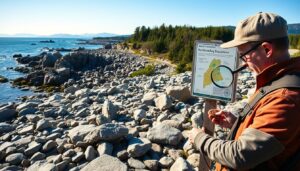
Rockhounding in New York is a popular activity, but it’s important to follow the laws and rules to ensure a safe and enjoyable experience. The regulations on rockhounding in NY are designed to protect the state’s natural resources and preserve its geological heritage.
When engaging in rockhounding in New York, it’s essential to familiarize yourself with the legal guidelines for rock collecting in New York. These guidelines are in place to prevent the removal of protected or sensitive areas, ensuring that the state’s natural beauty remains intact for future generations to enjoy.
Here are some key rockhounding laws and rules to keep in mind:
- Permits: In some areas of New York, rockhounding may require a permit. It’s important to check with the relevant authorities or local rockhounding clubs to determine if a permit is necessary for your specific location.
- Protected Areas: Certain areas in New York are protected by law, and rockhounding is not allowed. These areas may include national parks, wildlife refuges, or sensitive ecosystems. It’s important to respect these restrictions and avoid rockhounding in protected areas.
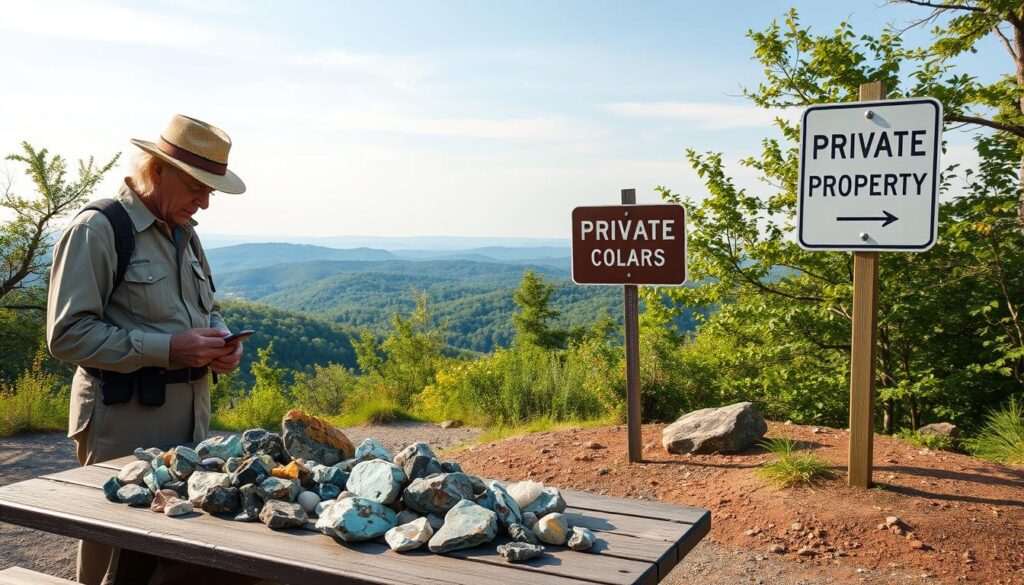
- Private Property: When rockhounding on private property, it’s essential to obtain permission from the landowner. Rockhounding on private land without permission can be considered trespassing and may result in legal consequences.
- Responsible Collecting: Rockhounding in New York should be done responsibly. This means collecting rocks and minerals in a way that minimizes damage to the surrounding environment. Avoid using heavy machinery or causing unnecessary disturbance to the area.
By following these rockhounding laws and rules, you can help preserve New York’s natural beauty and contribute to the conservation of its geological heritage. Remember to always respect the environment and follow the legal guidelines for rock collecting in New York.
Rockhounding Laws and Rules in New York
| Rockhounding Laws and Rules in New York | Details |
|---|---|
| Permits | In some areas of New York, rockhounding may require a permit. It’s important to check with the relevant authorities or local rockhounding clubs to determine if a permit is necessary for your specific location. |
| Protected Areas | Certain areas in New York are protected by law, and rockhounding is not allowed. These areas may include national parks, wildlife refuges, or sensitive ecosystems. It’s important to respect these restrictions and avoid rockhounding in protected areas. |
| Private Property | When rockhounding on private property, it’s essential to obtain permission from the landowner. Rockhounding on private land without permission can be considered trespassing and may result in legal consequences. |
| Responsible Collecting | Rockhounding in New York should be done responsibly. This means collecting rocks and minerals in a way that minimizes damage to the surrounding environment. Avoid using heavy machinery or causing unnecessary disturbance to the area. |
Understanding Rockhounding Laws and Rules in New York
New York has laws for rockhounding on different lands. People who love rockhounding need to know these rules. This ensures they collect minerals and fossils legally and safely.
Definition of Rockhounding in Legal Terms
Rockhounding means collecting rocks, minerals, and fossils for fun. In New York, there are rules for when and where you can do this. Knowing what rockhounding is helps you understand its limits.
Overview of New York’s Approach to Rockhounding
New York has many rules for rockhounding. These rules change based on where you are. State parks, national forests, and private land each have their own rules. It’s important to know these to follow the law.
Governing Agencies and Regulations
Many groups help manage rockhounding in New York. These include the New York State Office of Parks, the U.S. Forest Service, and local governments. Each group has its own rules for rockhounding.
| Land Type | Governing Agency | Regulations |
|---|---|---|
| State Parks | New York State Office of Parks, Recreation and Historic Preservation | Collecting is generally prohibited; special permits may be required for educational purposes. |
| National Forests | U.S. Forest Service | Collecting is allowed for personal use; some areas may be restricted. |
| Private Property | Landowner | Permission from the landowner is required; regulations vary. |
Knowing these rules helps rockhounding fans enjoy their hobby. They can do it legally and help protect the environment.
Public vs. Private Land Regulations
Knowing the difference between public and private lands is key for rockhounding in New York. The state has many geological formations and mineral deposits. But, access to these depends on whether the land is public or private.
State Parks and Preserves Restrictions
New York’s state parks and preserves protect unique geological features. But, collecting rocks or minerals here is tightly regulated. Removing any natural or cultural resources, like rocks and minerals, is usually not allowed without a permit.
Permitted activities in state parks might include:
- Rockhounding for educational purposes with a permit
- Collecting small amounts of rocks for personal use, subject to park rules
National Forests and BLM Land Rules
National forests and BLM lands have their own rules for rockhounding. The BLM lets you collect reasonable amounts of nonrenewable resources for personal use on public lands.
| Land Type | Allowed Activities | Restrictions |
|---|---|---|
| National Forests | Collecting rocks and minerals for personal use | No commercial collection without a permit |
| BLM Lands | Collecting reasonable amounts for noncommercial purposes | Must not harm the environment or other resources |
Private Property Considerations
Rockhounding on private property needs the landowner’s permission. It’s vital to get clear consent before collecting rocks or minerals on private land.
Best practices for rockhounding on private property include:
- Obtaining written permission from the landowner
- Respecting any restrictions the landowner may impose
- Leaving the property in the same condition as it was found
Penalties for Trespassing and Unauthorized Collection
Trespassing or collecting rocks and minerals without permission can lead to big penalties. These might include fines, legal action, and even criminal charges.
To avoid these issues, it’s important to know and follow all laws and regulations for rockhounding in New York.
Permits, Licenses, and Legal Requirements
Before you start collecting rocks and minerals in New York, you need to know the rules. Rockhounding here has laws to protect nature and keep everyone safe.
When Permits Are Required
Some places and activities need special permits or licenses. For example, the U.S. Forest Service asks for a permit for collecting on their lands. Make sure your rockhounding doesn’t need a special permit.
- Commercial collecting activities
- Collecting in designated sensitive habitats
- Collecting on U.S. Forest Service lands
How to Obtain Proper Permissions
To get the right permits, contact the right agencies. For state lands, talk to the New York State Department of Environmental Conservation.
- Find out who manages the area you want to visit.
- Apply with the needed details, like why you’re collecting and where.
- Pay any fees that apply.
Commercial vs. Recreational Collection Rules
New York has different rules for commercial and recreational rockhounding. Commercial collectors need special permits and follow extra rules.
| Activity Type | Permit Requirement | Additional Regulations |
|---|---|---|
| Recreational | Generally not required | Quantity limitations may apply |
| Commercial | Required | Special permits and reporting may be necessary |
Seasonal Restrictions and Special Considerations
Some places in New York have special rules for rockhounding. This includes protected areas at certain times or rules for certain minerals or fossils.
- Check with local authorities for any seasonal restrictions.
- Be aware of any special considerations for the area you plan to visit.
Permitted Collecting Areas and Specimen Limitations
New York lets you rockhound in many places. You can find different rocks and minerals in state and national lands. This makes collecting exciting for everyone.
Popular Legal Rockhounding Locations in New York
New York has many spots for rockhounding. State parks and national forests are great places to start. For example, the Adirondack Park has lots of rocks and minerals to find.
Letchworth State Park is another favorite. It has beautiful gorges and waterfalls. But, remember to follow the rules to keep these places special.
Notable Mineral and Fossil Sites
New York is famous for its minerals and fossils. The Jalowiec Quarry in Orange County is great for finding minerals. Around Lockport, you can find fossils.
For more details, check the Bureau of Land Management’s guidelines on rock collecting.
Quantity Limitations
There are rules on how much you can collect. These rules change depending on where you are. Some places let you take more, while others have limits.
Tools and Equipment Regulations
Using tools for rockhounding has rules too. Some places don’t let you use motorized tools. This helps protect the environment.
In state parks, you might only be allowed to use hand tools. Always check the rules at your collecting site.
Protected Specimens and Prohibited Items
Some items are protected by law. You can’t collect rare minerals or fossils in national parks. These items are important for science.
It’s important to know what you can and can’t collect. This helps keep New York’s nature safe for everyone. It also lets rockhounding continue for future generations.
[link-whisper-related-posts]Conclusion
Rockhounding in New York needs you to know the state’s laws and rules. This knowledge makes the hobby fun and safe. It also helps protect the earth’s treasures.
New York has laws to keep lands safe. Knowing these rules is key to avoid trouble. It helps you know where and how to collect rocks.
By following this guide, you can enjoy rockhounding. You’ll also help keep New York’s geological wonders safe for others to see.
FAQ
What are the rockhounding laws and rules in New York?
Rockhounding laws in New York change based on where you are. State parks, national forests, and private land have different rules. It’s important to know these rules to enjoy rockhounding and respect the environment and private property.
What governing agencies manage rockhounding activities in New York?
The New York State Office of Parks, Recreation and Historic Preservation and the U.S. Forest Service manage rockhounding in their areas.
Can I collect rocks on private property in New York?
No, you need permission from the landowner to collect rocks on private property in New York. Without permission, you could face penalties.
Are there any permits or licenses required for rockhounding in New York?
Yes, you might need a permit or license to rockhound in New York. This depends on where you are and what you’re collecting. There are different rules for recreational and commercial collectors, and some places have seasonal limits.
Where are some popular and legal rockhounding locations in New York?
New York has many great spots for finding minerals and fossils. State parks and national forests are some of the best places. But, you must know the rules for each location.
Are there any limitations on the quantity of specimens that can be collected?
Yes, there are limits on how many specimens you can collect in New York. Knowing these limits is important to follow the rules.
What tools and equipment are allowed for rockhounding in New York?
The tools and equipment you can use for rockhounding in New York depend on the rules. It’s important to know what’s allowed and what’s not.
Are there any protected specimens or prohibited items that collectors should be aware of?
Yes, some specimens are protected, and you must know what’s not allowed. This helps protect geological resources and follow the rules.
How can I obtain the necessary permits and licenses for rockhounding in New York?
Getting permits and licenses for rockhounding in New York varies by location and type of collection. You need to research and follow the right steps to comply with the rules.
What are the penalties for trespassing or unauthorized collection in New York?
Trespassing or collecting without permission in New York can lead to fines and other penalties. It’s important to know the rules and get the right permissions to avoid these consequences.

Subscribe to Our Newsletter