New Mexico is famous for its rich geological history. It’s a great place for rockhounders. But, it’s important to know and follow the state’s rules for rockhounding.
The New Mexico Bureau of Geology and Mineral Resources has guidelines for rockhounding. They stress the need to respect landowners and follow the rules.
Knowing and following these guidelines helps protect New Mexico’s geological treasures. This way, future generations can also enjoy them.
Key Takeaways
- Understanding rockhounding regulations is key for sustainability.
- The New Mexico Bureau of Geology and Mineral Resources offers guidelines.
- It’s vital to respect landowners’ rights.
- Following the rules helps keep geological resources safe.
- New Mexico is a treasure trove for rockhounders.
Understanding Rockhounding in New Mexico
New Mexico has many geological formations. This makes it great for rockhounding. Rockhounding is a hobby that lets you collect rocks, minerals, and fossils. It’s fun and helps us learn about Earth’s history.
What is Rockhounding?
Rockhounding is collecting rocks, minerals, and fossils. It needs a good eye for detail and some geology knowledge. Rockhounders search streams and mountains for clues about Earth’s past.
New Mexico’s Geological Significance
New Mexico is rich in geological diversity. It has many rock formations, mineral deposits, and fossil sites. This makes it a top spot for rockhounding, drawing fans from everywhere.
Why Legal Compliance Matters
Following rockhounding laws is key. Legal rules help keep activities safe for the environment and respect private areas. Knowing New Mexico’s laws is vital for a good rockhounding time.
Rockhounding Laws and Rules in New Mexico: An Overview
It’s key to know the laws about rockhounding in New Mexico. Rockhounding is loved here because of the state’s diverse geology.
Federal vs. State Regulations
Rockhounding in New Mexico is ruled by both federal and state laws. Federal regulations cover public lands managed by the Bureau of Land Management (BLM). State laws manage activities on state trust lands and other areas.
The BLM lets people collect nonrenewable resources for personal use on public lands. But, there are some rules. State laws might have more rules or limits.
Key Legal Considerations
Rockhounders need to know a few important things. They must get the right permits for collecting rocks or minerals in some places. They also need to know about quantity restrictions.
Also, they should know which areas are off-limits. This is because of environmental or cultural reasons.
Recent Changes in Legislation
Rockhounders should keep up with new laws. Changes in laws can affect where and how you can rockhound.
By following these rules, rockhounders help keep New Mexico’s geology safe for the future.
Public Land Regulations
Rockhounding in New Mexico needs you to know the rules. The state has many public lands. Each is managed by a different agency with its own rules.
Bureau of Land Management (BLM) Areas
The BLM oversees public lands. They let you collect rocks and minerals for fun. But, there are some rules:
- You can collect for personal use.
- Use of motor vehicles is only allowed on designated roads.
- Digging or collecting in sensitive areas is not allowed.
National Forests and Grasslands
New Mexico’s national forests and grasslands are great for rockhounding. Here are the rules:
- You can collect rocks and minerals for personal use.
- You might need a permit for some activities or areas.
- Try to not harm the environment.
State Trust Lands
State trust lands are managed to make money. They are leased for grazing, mining, and more. Rockhounding here can be tricky. You often need permission or a permit.
Wilderness Areas and National Monuments
Wilderness areas and national monuments are very protected. Rockhounding here is usually not allowed. It could harm the natural world. Always check the rules before you go.
By following these rules, rockhounding fans can enjoy New Mexico’s geology. And they help keep it safe for others to enjoy in the future.
Private Property and Claim Considerations
Rockhounding on private land in New Mexico needs a good grasp of the laws. It’s key to know that private property rights are well-protected.
Mining Claims
Many rockhounding spots in New Mexico have mining claims. These claims let the owner take minerals and other earth materials. It’s important to check if a claim exists before you start rockhounding.
Private Land Access
To rockhound on private land, you need the owner’s okay. This includes the land and any mines or private spots that rockhounds might want to visit.
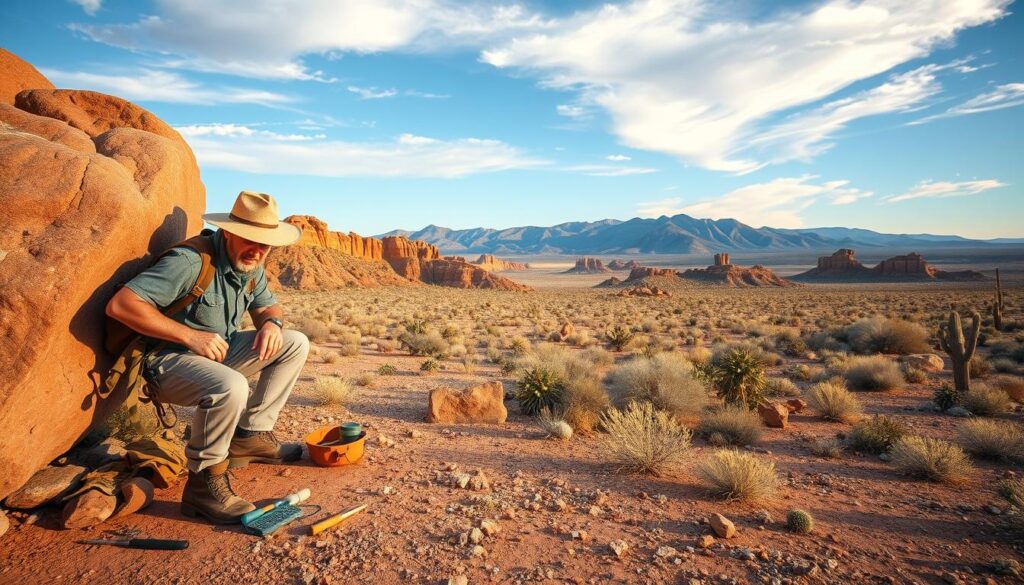
Fee Dig Sites
Some private places have fee dig sites. Here, rockhounds can dig for minerals and gemstones by paying a fee. It’s a good way to rockhound while respecting private property.
| Land Type | Permission Required | Notes |
|---|---|---|
| Private Land | Yes | Always get permission from the landowner. |
| Mining Claims | Yes | Know the claim holder’s rights. |
| Fee Dig Sites | No (fee required) | Pay the fee to dig. |
By knowing and following these rules, rockhounds can have fun while obeying New Mexico’s laws.
Permit Requirements and Collection Limits
To follow New Mexico’s rockhounding laws, knowing about permits and limits is key. Rockhounding, for fun or business, has rules based on where and what you collect.
When Permits Are Required
Permits are needed for collecting on public lands managed by the BLM or National Forests. Collecting fossils or rare minerals often requires a permit. Always check with the land management agency before collecting to see if a permit is needed. For more info, visit rockhounding rules.
How to Obtain Proper Permits
To get a permit, apply to the right land management agency. You’ll need to say what you plan to collect and where. The application might cost money and come with rules, like how much you can collect.
Quantity Restrictions
New Mexico limits how much you can collect to protect nature. For personal use, you can collect a bit without a permit. But, commercial collectors must follow their permit’s limits.
Commercial vs. Personal Collection
Commercial and personal collecting have different rules. Commercial collectors need permits and must follow strict rules. Personal collectors have it easier but must also follow the law.
Protected Materials and Restricted Items
It’s important for rockhounders in New Mexico to know what’s protected. The state has laws to keep geological and historical items safe. This is for the future.
Fossils and Paleontological Resources
Fossils and paleontological resources are protected in New Mexico. They tell us about the state’s past. They are kept safe on public lands.
Archaeological Artifacts
Archaeological artifacts are also protected. This includes items found while rockhounding. Taking or damaging them can lead to big fines.
Rare Minerals and Gemstones
Collecting rare minerals and gemstones has rules. This is true, even on public lands. The Bureau of Land Management (BLM) has specific rules.
Meteorites
Meteorites are special because they come from space. Their collection is watched closely. Finders must tell the right people.
| Protected Item | Legal Protection | Collection Regulations |
|---|---|---|
| Fossils | Protected under New Mexico law | Permits required for removal |
| Archaeological Artifacts | Protected by state and federal laws | Removal prohibited without permit |
| Rare Minerals/Gemstones | Regulated on public lands | BLM permits may be required |
| Meteorites | Regulated | Must be reported to authorities |
Rockhounders need to know about these protected items. This way, they can enjoy their hobby legally in New Mexico.
Top Rockhounding Locations in New Mexico and Their Specific Rules
New Mexico is great for rockhounds. It has many places to find rare rocks. Each spot has its own rules.
Rockhound State Park
Rockhound State Park is perfect for rockhounding. It has lots of activities for fans.
Permitted Activities
- Collecting rocks and minerals for personal use
- Rockhounding for educational purposes
Collection Limits
You can collect up to 15 pounds of material each day.
Gila National Forest
The Gila National Forest is huge for rockhounding. But, you must follow certain rules.
Valley of Fires Recreation Area
This place is famous for its volcanic history. It’s great for rockhounding.
Caballo Mountains
The Caballo Mountains are loved by rockhounds. They find many minerals here.
Orogrande District
The Orogrande District is famous for turquoise. It also has other minerals.
Harding Pegmatite Mine
This mine is key for finding rare minerals. You can find microcline and beryl here.
[link-whisper-related-posts]Conclusion
Knowing and following New Mexico’s rockhounding laws is key for a fun and safe hobby. Learning about rules for public lands, private property, and protected areas helps keep rockhounding alive. This way, everyone can enjoy it for years to come.
Rockhounding in New Mexico means respecting the land and others. It’s about collecting responsibly, not harming the environment, and knowing where you can’t go. These actions help keep New Mexico’s beauty for all to see.
New Mexico has a wide range of places to search for rocks. You can explore BLM areas, National Forests, and State Trust Lands. Knowing the rules lets you enjoy rockhounding while helping protect these special places.
Being a responsible rockhound is important. It keeps New Mexico’s nature safe for now and for the future. By being informed and respectful, rockhounders can keep enjoying this hobby.
FAQ
What is rockhounding, and why is it popular in New Mexico?
Rockhounding is collecting rocks, minerals, and fossils. New Mexico is loved by rockhounders. It has rich geology, diverse formations, and lots of minerals.
What are the main laws and regulations governing rockhounding in New Mexico?
Rockhounding in New Mexico follows federal and state rules. These include laws for public lands, private property, and protected materials. Rockhounders must follow these to keep the hobby alive.
Do I need a permit to go rockhounding in New Mexico?
It depends on where and what you’re doing. Some places, like Rockhound State Park, might need a permit.
What are the rules for rockhounding on public lands in New Mexico?
Rules vary by agency, like the BLM or U.S. Forest Service. Each area has its own rules, like how much you can collect and how.
Can I collect rocks and minerals on private property in New Mexico?
Yes, but you need permission from the owner. Always respect private property and follow any rules given.
Are there any restrictions on collecting fossils, archaeological artifacts, or rare minerals in New Mexico?
Yes, some items are protected by law. This includes fossils, artifacts, rare minerals, and meteorites. Rockhounders must know and follow these laws.
What are some top rockhounding locations in New Mexico, and what are their specific rules?
Places like Rockhound State Park, Gila National Forest, and Valley of Fires have their own rules. These include what you can collect, how much, and when you can go.
How can I ensure that I am rockhounding responsibly and sustainably in New Mexico?
Follow the rules, respect places and materials, and stay updated on laws. This way, you can enjoy rockhounding without harming the environment.
Where can I find more information on rockhounding laws and regulations in New Mexico?
The New Mexico Bureau of Geology and Mineral Resources is a great place to start. Local clubs and organizations can also offer helpful advice.

Subscribe to Our Newsletter