For those who love rockhounding, knowing the rules is key. This is true when you’re in Nebraska’s public lands. The state’s varied rocks make it a great place for collectors. But, to keep these treasures safe, we must follow some rules and regulations.
Nebraska’s National Forests and Grasslands have their own rules for rockhounding. You might need a permit for some activities. It’s important to know these rules to enjoy rockhounding responsibly.
Key Takeaways
- Surface collection of rocks and agates is allowed on Nebraska National Forests and Grasslands without a permit for personal use.
- A permit is required for other uses, such as landscaping or rock gardening.
- Selling rocks, agates, and artifacts collected from Nebraska National Forests and Grasslands is not allowed.
- Special rules apply to meteorites, fossils, and artifacts.
- Permits are required for research and commercial purposes.
Understanding Rockhounding in Nebraska
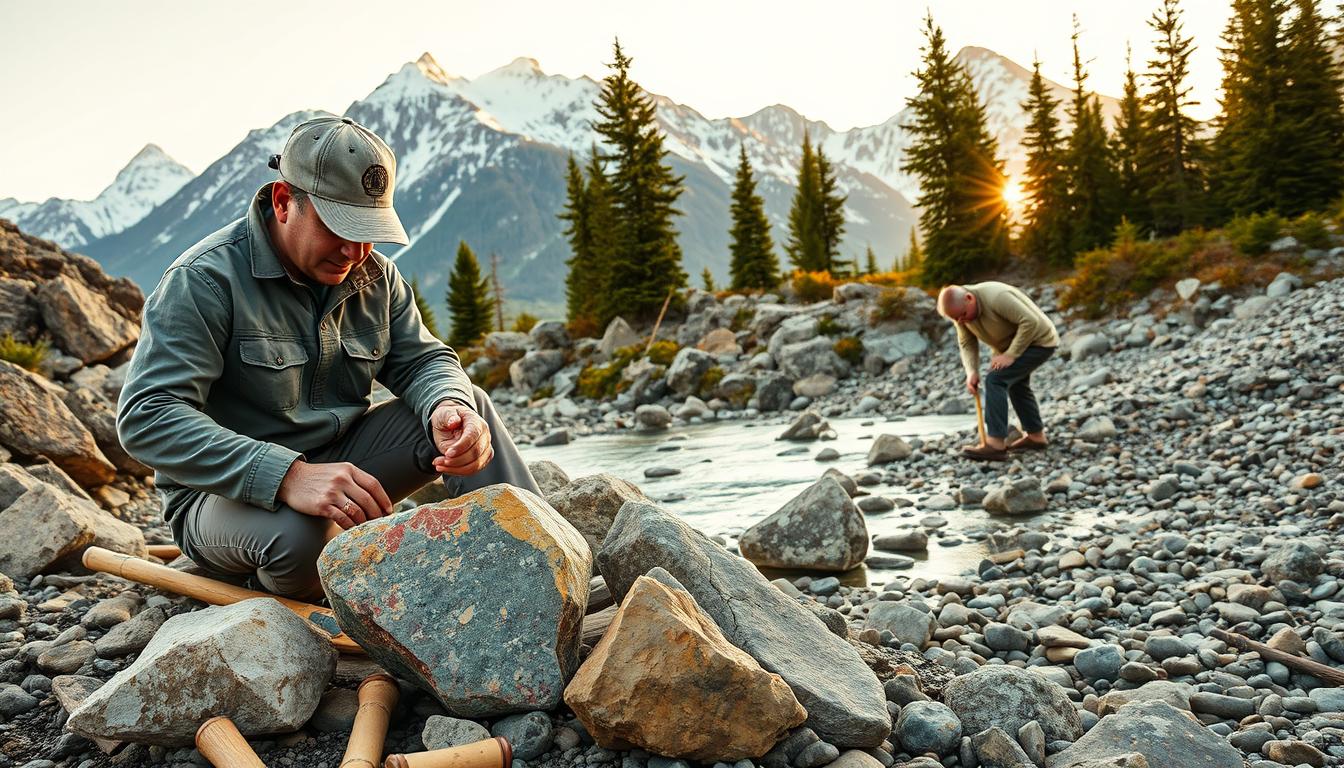
Rockhounding is a hobby that’s growing in Nebraska. It involves collecting rocks, minerals, and fossils. The state’s varied landscape, shaped over millions of years, is perfect for this hobby.
What is Rockhounding?
Rockhounding is about finding and collecting rocks, minerals, and fossils. It’s a mix of outdoor fun and learning about the Earth. People get to explore and learn about the Earth’s history.
Nebraska’s Geological Significance
Nebraska’s geology is rich and varied. Its formations and deposits tell stories of the Earth’s past. The state’s landscape has been molded by erosion, sedimentation, and glaciation.
Notable Formations and Deposits
The Sandhills and Loess Hills are key geological spots in Nebraska. The Sandhills have unique sand dunes. The Loess Hills are known for their thick deposits. The state also has mineral deposits like agate and quartz, and fossils of ancient creatures.
Rockhounding Laws and Rules in Nebraska
Nebraska has rules for rockhounding. It’s important for fans to know these.
State Regulations Overview
Nebraska’s rules help protect nature while letting people collect rocks. They say where and what you can pick up.
Federal Land Regulations
Rockhounding on federal land has extra rules. Agencies like the BLM and USFS manage these. You might need a permit.
Obtaining Permits for Federal Lands
Getting permits varies by place and activity. Always check with the right agency.
Private Property Considerations
Rockhounding on private land needs permission. You must talk to the owner and agree on terms.
Obtaining Permission from Landowners
Being friendly with landowners is important. Respect their land and follow any rules you agree to.
Required Permits and Licenses
To rockhound in Nebraska, you need to know about permits and licenses. The state has rules for collecting minerals, fossils, and more. These rules change based on what you collect, where you collect it, and how you collect it.
State Permit Requirements
In Nebraska, some rockhounding needs a permit. Recreational collectors usually don’t need one for small finds on public land. But, commercial collectors must get a permit from the Nebraska Department of Natural Resources.
To get a permit, you need to apply. You’ll give details about your collecting and pay a fee.
| Collector Type | Permit Requirement | Issuing Authority |
|---|---|---|
| Recreational | No permit required for small collections | N/A |
| Commercial | Permit required | Nebraska Department of Natural Resources |
Special Permissions for Fossil Collection
Fossil collecting in Nebraska has its own rules. Vertebrate fossils are protected and need a special permit. This permit is for both hobbyists and those collecting for money.
To get this permit, you’ll need to tell the Nebraska State Museum about your fossil site and how you plan to collect.
Commercial vs. Recreational Collecting
In Nebraska, there’s a big difference between collecting for fun and collecting for money. Hobbyists collect for fun, while those who sell or trade are commercial collectors. Commercial collecting needs stricter permits and follows more rules to protect the environment.
Penalties for Violations
Breaking Nebraska’s rockhounding rules can lead to fines and losing your finds. The punishment depends on the violation and if it’s in a protected area. Those who keep breaking the rules might face even harsher penalties, like criminal charges.
Legal Rockhounding Locations in Nebraska
Nebraska is a great place for rockhounding. It has many state parks and public lands to explore. You can find minerals, fossils, and gemstones here.
State Parks and Recreation Areas
Nebraska’s state parks are perfect for rockhounding. They have beautiful landscapes and unique geological finds.
Indian Cave State Park
Indian Cave State Park has a rich geological history. You can find agates, quartz, and more on its trails and streambeds.
Niobrara State Park
Niobrara State Park is also great for rockhounding. Its riverbeds and areas have fossils and gemstones to discover.
Public Lands Open for Collection
Nebraska’s public lands are also good for rockhounding. These lands are managed by federal and state agencies. They let you collect geological specimens for personal use.
Popular Public Land Areas for Rockhounding:
- National Forests
- Bureau of Land Management (BLM) Areas
- State Trust Lands
Notable Sites with Special Rules
Some places in Nebraska have special rules for rockhounding. For example, some state parks need permits or have rules on what you can collect.
| Location | Allowed Activities | Special Rules |
|---|---|---|
| Indian Cave State Park | Collecting minerals and fossils | Permits required for commercial collecting |
| Niobrara State Park | Collecting gemstones and fossils | Restrictions on collecting in sensitive habitats |
| Smith Falls State Park | Collecting agates and quartz | Collecting prohibited in designated nature areas |
Restricted Areas and Materials
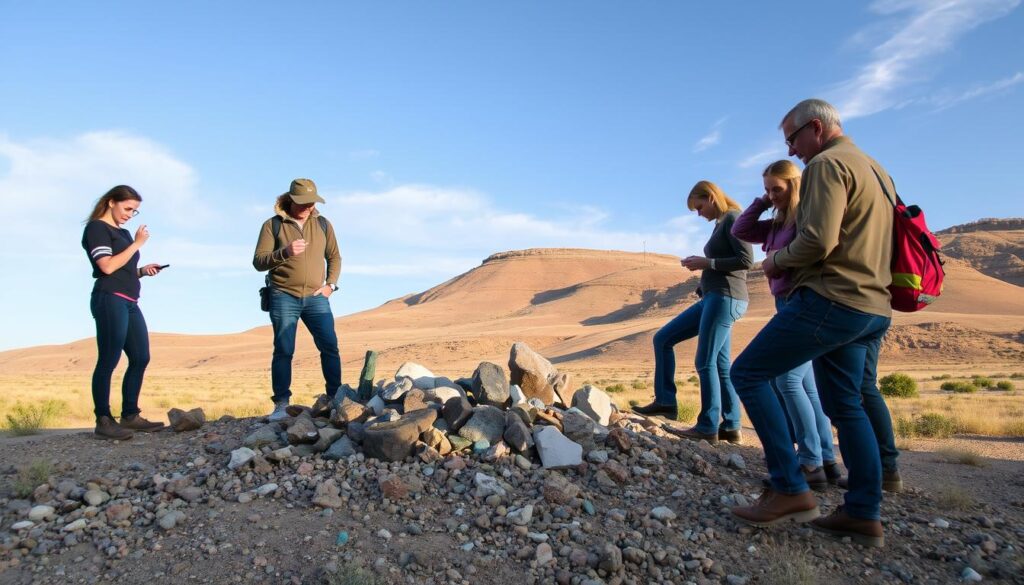
Some places in Nebraska are off-limits for rockhounding. This is because of protected fossils, endangered minerals, and culturally important sites. It’s important for rockhounding fans to know these rules. This helps avoid legal trouble and keeps the state’s natural and cultural treasures safe.
Protected Fossil Sites
Nebraska is famous for its fossils. Some sites are protected by law. These sites are usually marked and might need special permits to visit or collect from.
Endangered Mineral Deposits
Some minerals in Nebraska are rare because of over-collection or environmental issues. Rockhounding in these areas is often limited. This is to prevent further loss.
Cultural and Historical Site Restrictions
Nebraska has many cultural and historical sites. These are protected from rockhounding and other harmful activities. Rockhounding fans need to know about these sites and follow any rules.
Seasonal Limitations
Some places have rules based on the season. This is because of nesting times for protected animals or bad weather.
By following these rules, rockhounding fans can enjoy their hobby. They also help protect Nebraska’s natural and cultural treasures.
Tools and Equipment Regulations
Rockhounding in Nebraska needs you to know the rules about tools and equipment. The state’s rules help both rockhounding fans and nature protection.
Permitted Collection Tools
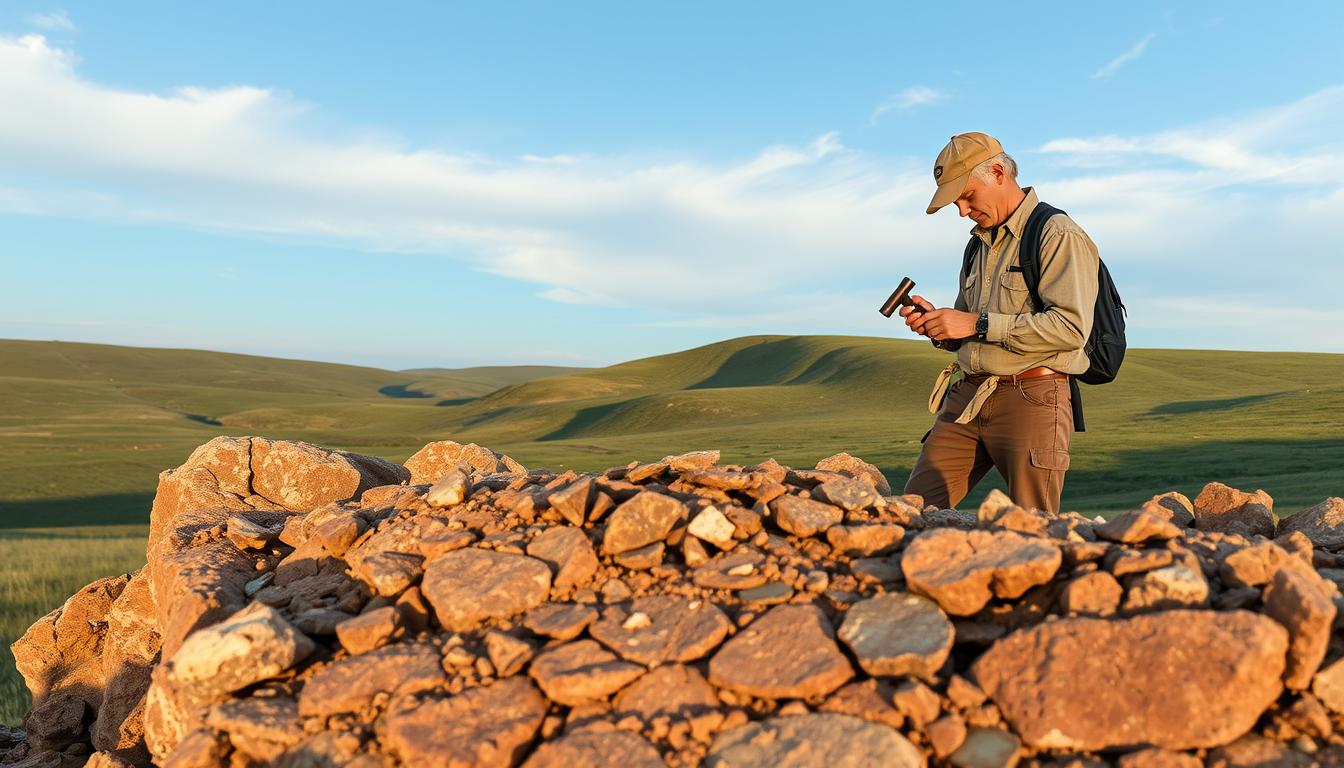
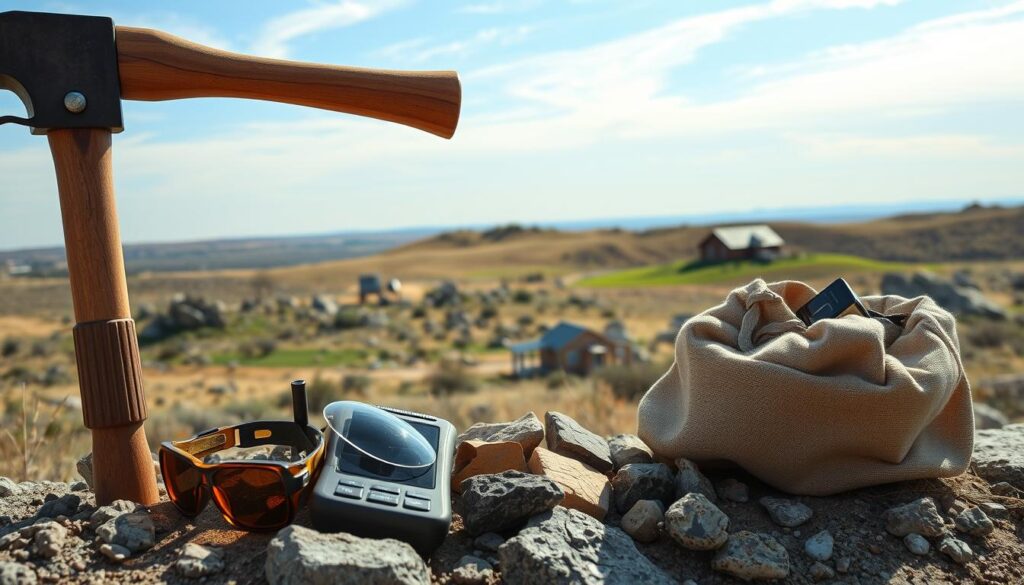
In Nebraska, you can use many tools for finding minerals and fossils. You can have handheld tools like rock hammers, chisels, and hand lenses. These are key for finding and getting samples. But, there are rules, mainly in protected places.
Restricted Equipment
Some equipment is not allowed in Nebraska because it can harm the environment. Things like mechanized equipment like rock saws and excavators need special permits or are banned in some spots. It’s important for rockhounding fans to know these rules to stay out of trouble.
Safety Requirements
Safety is very important when rockhounding. Nebraska’s rules say you must wear protective gear, including safety glasses and gloves. It’s also good to know your area and follow safe collecting practices.
Notable Finds in Nebraska
Nebraska’s complex geological past makes it a treasure trove for rockhounds. The state is full of rocks, minerals, and fossils just waiting to be found. Exploring different sites across Nebraska can lead to amazing discoveries.
Common Minerals and Rocks
In Nebraska, you can find many common minerals and rocks. These include:
Agates and Jaspers
Agates and jaspers are favorites among rockhounds in Nebraska. They are known for their bright colors and patterns. You can find them in gravel pits and stream beds.
Quartz Varieties
Quartz is also common in Nebraska. It comes in forms like amethyst and quartz crystals. These are highly sought after by collectors.
Fossil Discoveries
Nebraska’s fossil history is rich and exciting. It’s a great place for those who love paleontology. Some notable finds include:
Prehistoric Mammals
Fossils of ancient mammals like mammoths and mastodons have been found in Nebraska. These discoveries give us a glimpse into the state’s ancient past.
Marine Fossils
Nebraska also has many marine fossils. These show that the state was once underwater. You can find fossils of ancient sea creatures in different rock formations.
Gemstones and Precious Materials
If you’re into Nebraska gemstone collecting laws, you’ll find plenty to explore. Rockhounds can look for agates, jaspers, and other semi-precious stones in certain areas.
Nebraska’s varied geology means there’s always something new to find. It’s a fantastic place for rockhounding enthusiasts.
[link-whisper-related-posts]Conclusion
Nebraska is a great place for rockhounding, with its rich history and many minerals. It’s important to follow Rockhounding Laws and Rules in Nebraska to keep this hobby alive.
Knowing the rules helps protect Nebraska’s earth and culture. By following these guidelines, rockhounds can help keep Nebraska’s natural beauty for others to enjoy.
If you love rockhounding, learning about Nebraska’s laws is a must. This knowledge makes your hobby better and helps it last for a long time.
FAQ
What are the basic rules for rockhounding in Nebraska?
Rockhounding in Nebraska has many rules. You need to know the laws for state parks, recreation areas, and public lands. Also, there are rules for collecting on private property.
Do I need a permit to go rockhounding in Nebraska?
It depends on where you go and what you plan to collect. State lands might need a permit. Federal lands have their own rules. Recreational and commercial collecting have different rules.
Can I collect fossils in Nebraska?
Yes, but you need special permission. This is true for state and federal lands. Some places are off-limits for fossil collecting.
What are the restrictions on collecting in Nebraska’s state parks?
State parks have rules for rockhounding. You can only collect certain things and use certain tools. Some parks don’t allow collecting at all.
Are there any restricted areas for rockhounding in Nebraska?
Yes, places with cultural or historical value are off-limits. So are some fossil sites and areas with endangered minerals. Knowing these areas helps avoid legal trouble.
What tools and equipment are allowed for rockhounding in Nebraska?
The rules for tools vary by location. Hand tools are usually okay for fun collecting. But, some tools or equipment might be banned to protect the environment.
Can I sell the rocks and minerals I collect in Nebraska?
Selling your finds has its own rules. Commercial collecting is different from just collecting for fun. You’ll need to know about permits and licenses for selling.
Where are the best places to go rockhounding in Nebraska?
Nebraska has great spots for rockhounding. Look into state parks, recreation areas, and public lands. Knowing the rules for each place is important for a good time.
How can I ensure I’m rockhounding responsibly in Nebraska?
To rockhound right, learn Nebraska’s laws. Respect private property and follow the rules for tools and areas. This keeps Nebraska’s natural and cultural treasures safe for everyone.

Subscribe to Our Newsletter