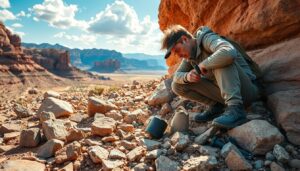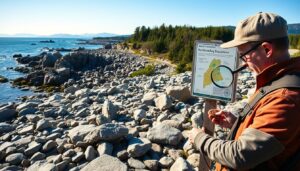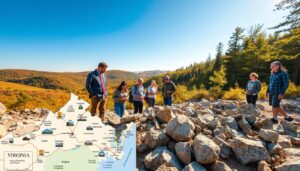
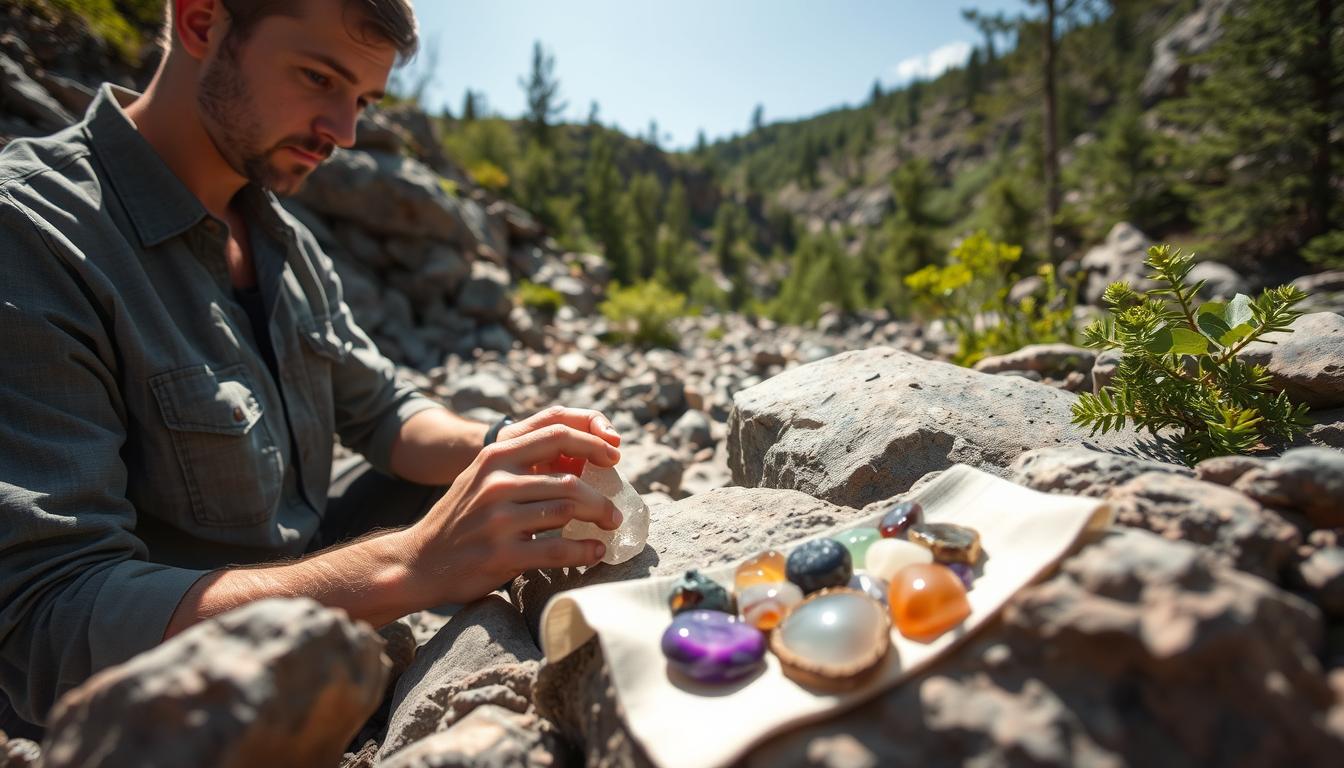
Minnesota is a great place for rockhounds. It has many minerals and rocks to find. You can discover beautiful Lake Superior Agate and iron minerals here.
Before you start exploring, learn about Minnesota’s rock collecting rules. The Minnesota Department of Natural Resources sets these rules.
Key Takeaways
- Rockhounding is allowed on state-owned lands, but some areas are off-limits.
- You need permission from landowners to collect minerals on private land.
- Recreational gold prospecting is okay with simple tools.
- You might need a DNR permit for some activities.
- There are rules for mining to protect the environment.
Understanding Rockhounding in Minnesota
Minnesota is famous for its varied geological formations. This makes it perfect for rockhounding. Rockhounding here means looking for minerals, rocks, and gemstones. The state has many places where fans can discover its geological wonders.
What Constitutes Rockhounding in Minnesota
In Minnesota, rockhounding is about finding different geological items. This includes agates, jaspers, and iron minerals. It’s a hobby that needs patience, knowledge, and following state rules. For more info, check out https://rockchasing.com/rockhounding-in-minnesota/.
Common Minerals and Rocks Found in Minnesota
Minnesota is rich in Lake Superior Agate, iron minerals, and jasper. Some common finds are:
- Lake Superior Agate
- Iron minerals like hematite and goethite
- Jasper and other quartz types
These minerals and rocks can be found in many places across the state. This includes public lands and special geological spots.
The Importance of Following Regulations
It’s key to follow Minnesota rock collecting laws and rules. Breaking these can lead to fines and damage to the environment. Rockhounds must know and follow these rules to protect Minnesota’s natural treasures for the future.
Rockhounding Laws and Rules in Minnesota
Minnesota has rules for collecting rocks. These rules include no collecting in state parks and scientific areas. It’s important for rockhounds to know these laws to collect legally and responsibly.
State Regulations Governing Rock Collection
In Minnesota, state rules say what you can collect. For example, you can’t collect rocks in state parks to keep nature safe. But, some places let you collect certain rocks for personal use, if you follow the rules.
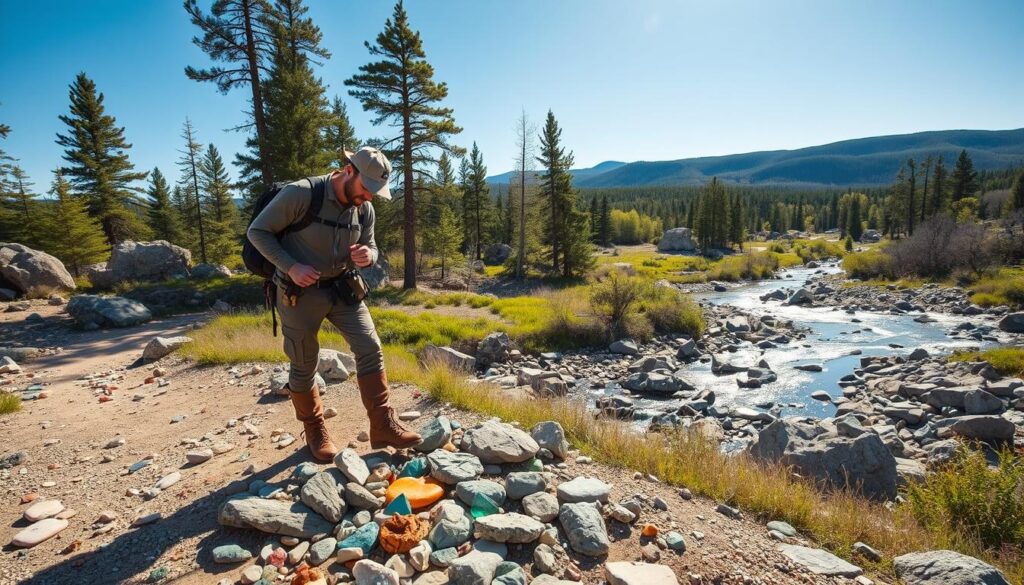
Federal Regulations Affecting Minnesota Rockhounds
Federal laws also control rock collecting in Minnesota, mainly in national forests. Rockhounds need to know these laws to avoid breaking them. Collecting some minerals or fossils in national forests might need a permit. Taking materials from areas with protected species can lead to big fines.
Penalties for Violating Rockhounding Laws
Breaking rockhounding laws in Minnesota can lead to fines and losing your finds. It’s key for rockhounds to follow both state and federal rules. This way, they can avoid penalties and help keep Minnesota’s nature safe for others.
Where You Can and Cannot Rockhound in Minnesota
Minnesota is great for rockhounding, but you need to know where you can and can’t go. Public lands like national forests and BLM areas are usually open. But, state parks and scientific areas have rules.
Public Lands Open for Rockhounding
Public lands in Minnesota are perfect for rockhounding. The Chippewa and Superior National Forests have lots of geological formations. The Bureau of Land Management also has lands open for rockhounding, but there are rules.
State Parks and Forests
State parks in Minnesota are mostly for conservation and fun. Some parks let you collect rocks and minerals for personal use. But, you can’t collect for money or harm the environment. Always check with park rangers or the Minnesota Department of Natural Resources for rules.
Bureau of Land Management Areas
The Bureau of Land Management (BLM) manages lands with lots of geological treasures. In Minnesota, BLM areas are great for rockhounding. But, you must follow BLM rules and get any needed permits.
Restricted Areas and Protected Sites
Some areas in Minnesota are protected for their scientific, historical, or cultural value. These include scientific and historical preserves, Native American lands, and private properties. Knowing these restrictions helps avoid legal trouble and respects landowners and indigenous communities.
Scientific and Historical Preserves
Minnesota’s scientific and historical preserves are protected. They have valuable geological, archaeological, or historical resources. Rockhounding is often not allowed or is very restricted in these areas. For example, the Minnesota’s Geological Survey protected areas.
Native American Lands
Native American reservations and lands in Minnesota have their own rules for rockhounding. Always get permission from the tribal authorities before collecting rocks or minerals on these lands.
Private Property Considerations
Private property owners in Minnesota can decide who can rockhound on their land. Always get permission from the landowner before collecting rocks or minerals on private property. Trespassing laws are strict, and respecting private property rights is key.
| Land Type | Rockhounding Allowed | Restrictions |
|---|---|---|
| National Forests | Yes | Follow forest regulations |
| State Parks | Limited | Check with park rangers |
| BLM Areas | Yes | Follow BLM regulations |
| Private Property | No | Obtain landowner permission |
| Native American Lands | No | Obtain tribal permission |
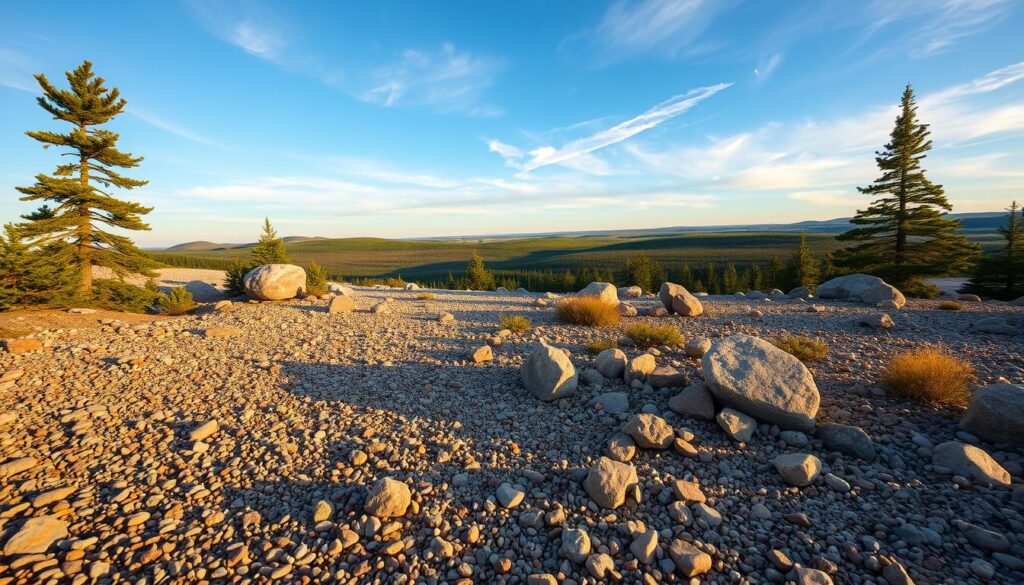
Knowing where you can and can’t rockhound in Minnesota helps you enjoy the hobby legally and responsibly. Always check local rules and get any needed permits for a great rockhounding experience.
Permits and Documentation Required
In Minnesota, you need the right permits for rockhounding. This is true for both fun and work activities. Knowing what you need is key.
State Permits for Recreational Rockhounding
For fun rockhounding in Minnesota, you usually don’t need a permit. But, you must know the rules, like in state parks. Always check with the Minnesota Department of Natural Resources (DNR) to follow the rules.
Commercial Collection Permits
If you’re rockhounding for money, you need a special permit. These permits come from the right places. You’ll need to apply, pay fees, and sometimes show how it won’t harm the environment.
Special Permissions for Specific Minerals
Some minerals or rocks need extra permissions. For example, fossils or certain gemstones might have their own rules. Make sure you know what you’re collecting and if it needs special permission.
Always talk to the Minnesota DNR or other authorities. They can tell you about the latest permits and rules for rockhounding.
Best Practices for Legal Rockhounding in Minnesota
To have a great time rockhounding in Minnesota, follow some key rules. These rules help keep the environment safe and make sure everyone has fun. It’s important to be kind to the land and other people.
Environmental Responsibility and Ethics
Being green is key when rockhounding in Minnesota. This means not harming the environment. Stay away from sensitive areas, don’t litter, and fix any messes you make.
Also, try not to leave a big mark. Stick to the paths and don’t take plants or other natural things.
Equipment Regulations and Limitations
Minnesota has rules about what tools you can use for rockhounding. Some places don’t allow motorized tools to protect the environment and keep everyone safe. Make sure you know these rules to avoid trouble.
Using the right tools also helps the environment. It makes your rockhounding less harmful.
Seasonal Restrictions and Considerations
Some places in Minnesota have rules based on the season. This is to protect animals, like during fish spawning times. It’s important to know these rules and plan your rockhounding trips around them.
This way, you help keep the environment safe. And you make sure rockhounding stays a fun and sustainable activity.
[link-whisper-related-posts]Conclusion
Knowing and following Minnesota’s rockhounding laws is key for a fun and safe time. It helps keep the state’s natural spots beautiful for everyone.
Following Minnesota’s rockhounding rules is important. It means respecting private land, following state and federal laws, and being kind to the environment.
This way, rockhounds can protect Minnesota’s special rocks and minerals for others to see. As more people start rockhounding, it’s important to do it right.
By following these rules, rockhounds can enjoy Minnesota’s amazing geology. They also help keep the state’s beauty for all to see.
FAQ
What is rockhounding, and is it allowed in Minnesota state parks?
Rockhounding is collecting rocks, minerals, and fossils as a hobby. In Minnesota state parks, you can usually collect for personal use. But, always check with park officials for specific rules.
Do I need a permit to go rockhounding in Minnesota’s national forests?
In Minnesota’s national forests, you often don’t need a permit for rockhounding. Yet, it’s important to follow U.S. Forest Service rules. Also, check if any permits or restrictions are needed for your visit.
Can I collect rocks and minerals on private property in Minnesota?
To collect on private property in Minnesota, you must get permission from the owner. Always respect private property and ask before collecting any specimens.
Are there any specific regulations regarding the collection of Lake Superior Agate in Minnesota?
Collecting Lake Superior Agate has specific rules, mainly in state parks and protected areas. Always check with local authorities for any rules or restrictions on collecting this gemstone.
What are the penalties for violating rockhounding regulations in Minnesota?
Breaking rockhounding rules in Minnesota can lead to fines or worse. It’s important to follow the state’s rules to avoid penalties.
Are there any seasonal restrictions on rockhounding in Minnesota?
Yes, there are seasonal limits on rockhounding in Minnesota, like in areas with wildlife or during fish spawning. Always check with local authorities for any seasonal restrictions.
Can I use motorized equipment for rockhounding in Minnesota’s public lands?
Using motorized equipment for rockhounding in Minnesota’s public lands has rules. It’s best to check with local authorities for any specific rules or restrictions.
Do I need a special permit to collect fossils in Minnesota?
Collecting fossils in Minnesota has its own rules, mainly on public lands. Always check with local authorities for any special permits or restrictions.

Subscribe to Our Newsletter