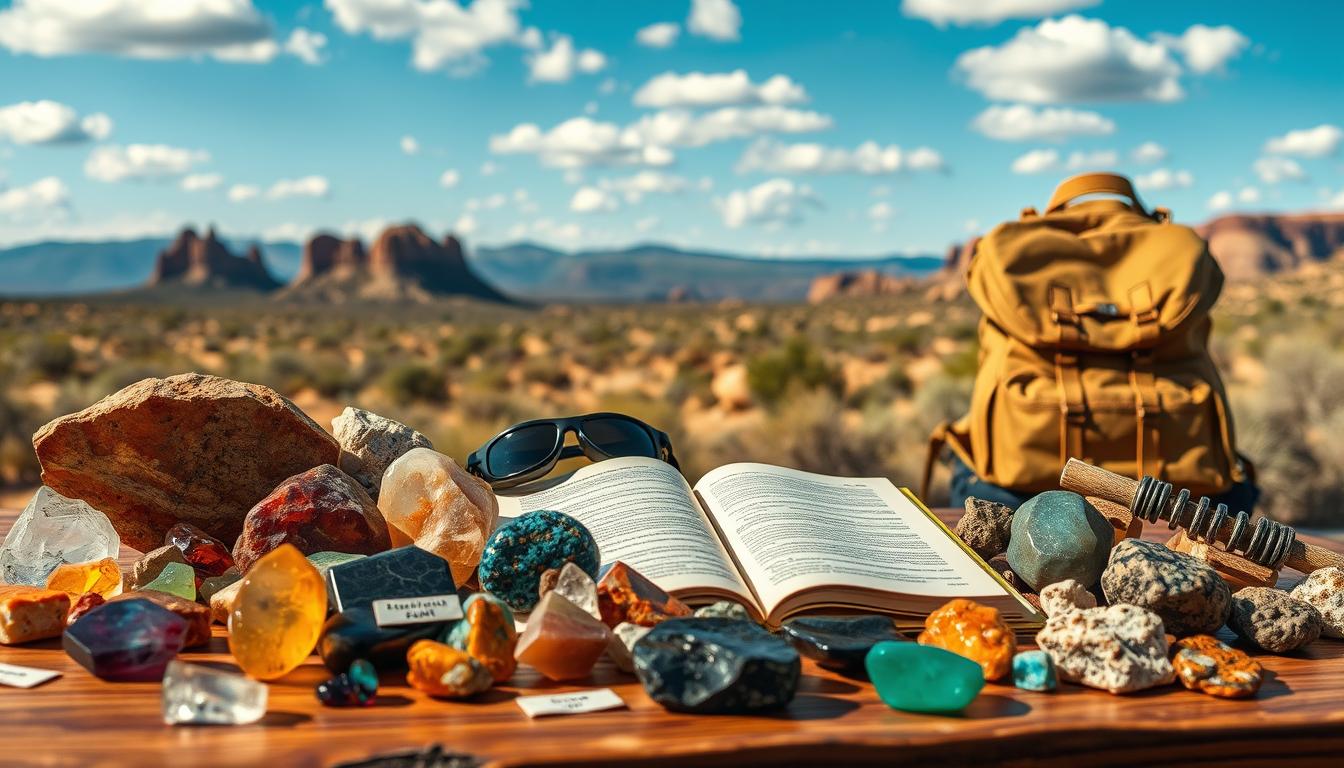
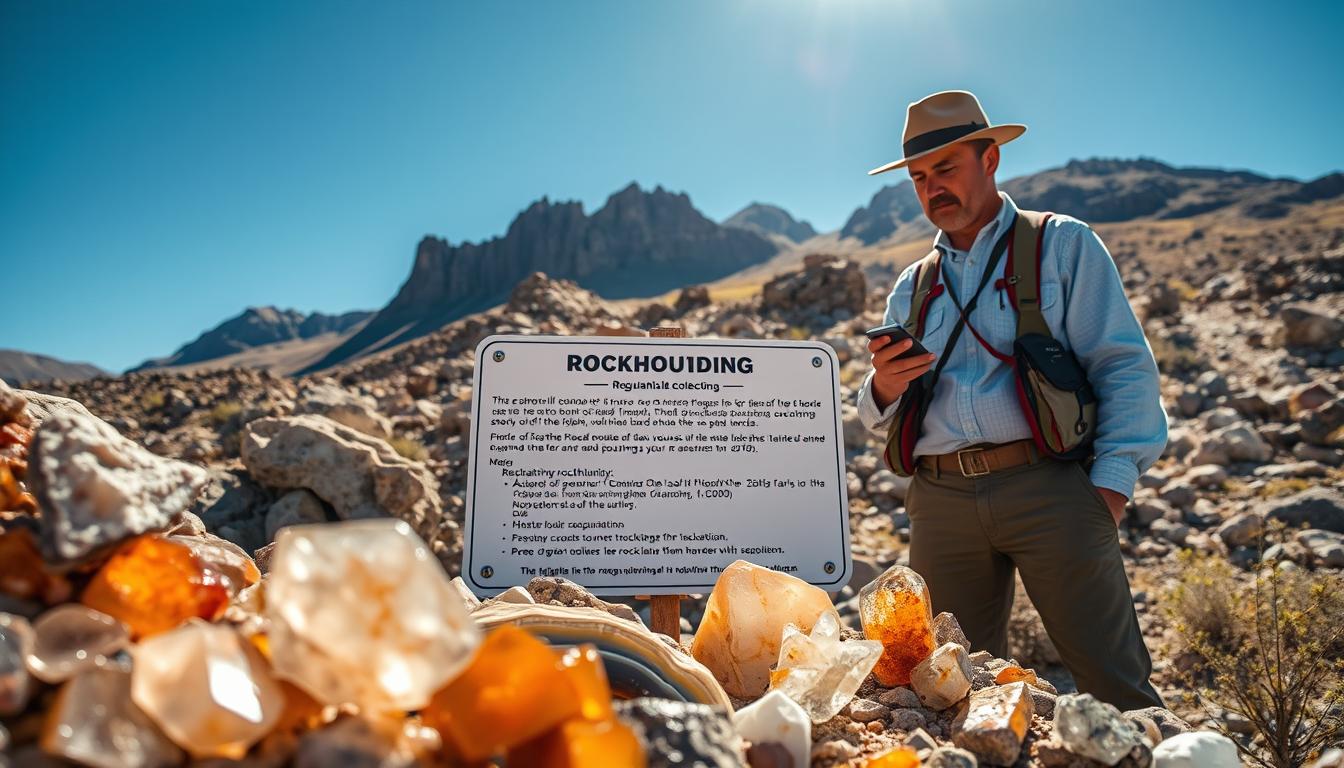
Colorado is famous for its rich geological history. It’s a dream place for rockhounding fans. But, before you start exploring, you need to know the rules.
Understanding Colorado’s rockhounding regulations is key for a fun and safe trip. The state has many places to search for minerals. But, each spot has its own rules.
Knowing these rules will make your rockhounding trip in Colorado better.
Key Takeaways
- Understand Colorado’s rockhounding regulations before heading out.
- Familiarize yourself with the rules at each rockhounding location.
- Ensure a safe and enjoyable rockhounding experience.
- Explore Colorado’s diverse geological sites.
- Make the most of your rockhounding adventure.
Rockhounding Laws and Rules in Colorado: An Overview
Rockhounding in Colorado has its own set of laws and rules. To enjoy this hobby, you need to know the legal basics.
First, it’s important to know what rockhounding is. It’s about finding and collecting rocks, minerals, gemstones, and fossils. In Colorado, there are rules to protect the environment and the collector.
Definition and Scope of Rockhounding Activities
In Colorado, rockhounding means searching and collecting geological materials. This can be done on public and private lands. The state’s rich geological history makes it great for this hobby. But, you must know the legalities of rockhounding in Colorado to stay out of trouble.
Key Governing Authorities and Regulations
Several groups oversee rockhounding in Colorado. These include the Bureau of Land Management (BLM), the U.S. Forest Service, and the National Park Service. For more info on Colorado’s rockhounding laws, check out this resource.
These rules cover where you can collect, what you can collect, and what tools you can use. Knowing these rock collecting guidelines Colorado is key for responsible rockhounding.
General Collecting Rules on Public Lands
Knowing the rules for rockhounding in Colorado’s public lands is key. The state’s public lands are managed by different federal agencies. Each has its own rules.
Bureau of Land Management (BLM) Regulations
On BLM-managed public land, you can collect rocks, minerals, and fossils for yourself. You can take up to 25 pounds a day or 250 pounds a year. But, remember, you can’t sell your finds for money.
U.S. Forest Service Guidelines
The U.S. Forest Service lets you collect rocks, minerals, and fossils for personal use in certain areas. You must follow specific rules. This includes getting any needed permits and sticking to the quantity limits.
National Park Service Restrictions
National Park Service areas have strict rules about collecting rocks, minerals, and fossils. Generally, collecting is prohibited here. But, there are some places where you can collect with a permit.
Collecting on Private Property in Colorado
Private property in Colorado is a goldmine for rockhounds. If you don’t own land, asking landowners for access is a good idea. But, knowing the laws about collecting on private land is key.
To collect on private land, you need permission from the landowner. Breaking trespassing laws in Colorado can lead to big fines and jail. Always get written permission to avoid trouble.
Permission Requirements and Trespassing Laws
Make sure you have the right permissions before entering private land. This means getting permission from the owner and knowing any rules they have. Trespassing laws protect property rights and are serious.
| Permission Type | Description |
|---|---|
| Verbal Permission | Spoken agreement with the landowner |
| Written Permission | Documented agreement, providing clear evidence of permission |
Liability Considerations for Collectors
Collectors need to think about their liability on private land. If you damage the property or hurt someone, you could be sued. Knowing your liability helps you stay safe and might save you money on insurance.
Agreements with Property Owners
It’s important to make a clear agreement with landowners. This agreement should say what you can collect, any rules, and your duties on the land. A good agreement protects both you and the landowner.
For more info on rockhounding rules, check out Oak Rocks Rockhounding Rules.
Material-Specific Regulations
Colorado’s geology is rich with rocks and minerals for collectors. It’s a favorite spot for rockhounds. Knowing the rules for collecting different materials is key for responsible collecting.
Common Rocks and Minerals
In Colorado, you can find many common rocks and minerals. These include quartz, feldspar, and mica. Remember, while you can collect these on public lands, some areas have special rules.
- Check local regulations before collecting.
- Be aware of any protected areas or sites.
Gemstones and Crystals
Colorado is famous for its gemstones like aquamarine, topaz, and garnet. It’s important to know the rules for collecting gemstones, mainly in areas known for them.
- Research the best locations for gemstone hunting.
- Understand the local laws and regulations.
Fossils and Petrified Wood
Fossils and petrified wood are common in Colorado. The rules for collecting these vary, mainly on public lands.
| Material | Regulations |
|---|---|
| Fossils | Generally allowed on public lands, but check for specific restrictions. |
| Petrified Wood | Allowed for personal use, but commercial collection may require permits. |
Gold and Precious Metals
Colorado has a long history of gold and precious metal mining. Prospectors need to know the rules for collecting these, including any permits or licenses.

By following these specific regulations, collectors can enjoy Colorado’s rockhounding. They also help protect the state’s natural resources.
Tools and Collection Limits
To enjoy rockhounding in Colorado, knowing the rules is key. These rules help protect the environment and keep everyone safe.
Permitted Equipment and Tools
Rockhounds can use tools like rock hammers and chisels. But, using big machines without permission is a no-go.
Quantity Restrictions
You can collect as much as fits in a 5-gallon container in a day. This rule stops over-collecting and protects the environment.
Size and Weight Limitations
There are no strict size or weight rules. But, try to leave as little impact as possible. Here’s a quick guide to rockhounding in Colorado.
| Category | Permitted Equipment | Quantity Limit |
|---|---|---|
| Rocks and Minerals | Hand tools like hammers, chisels, shovels | Up to 5-gallon container per person per day |
| Gemstones and Crystals | Hand tools, no heavy machinery | Reasonable amount for personal use |
| Fossils and Petrified Wood | Hand tools, with care to preserve fossils | Limited to personal collection, no commercial use |
By sticking to these rules, rockhounds can have fun while caring for Colorado’s nature.
Popular Legal Rockhounding Locations in Colorado
Colorado is a great place for rockhounding. It has many spots where you can find minerals and gemstones. The state’s history makes it rich in geological treasures.
Public Lands Open for Collection
Colorado’s public lands are full of treasures for rockhounds. The Bureau of Land Management (BLM) and U.S. Forest Service manage these areas. They let collectors dig, but only if they follow the rules.
Popular spots include the San Juan Mountains and the Arkansas Valley. These places are known for their minerals and gemstones.

Fee Dig Sites and Commercial Operations
Fee dig sites let you collect specimens for a fee. These sites are run by companies and offer access to special areas. Examples include certain gold panning operations and gemstone mines that charge a fee.
Seasonal Restrictions and Access Information
Rockhounds need to know about seasonal restrictions and access. Some places are closed because of weather, maintenance, or environmental reasons. Checking with local authorities or site managers before heading out is essential for a good rockhounding trip.
Golden Gate Canyon is a great spot for rockhounding. It’s known for black tourmaline and other minerals like mica and feldspar. Knowing the local rules and respecting private property is important for a good rockhounding experience in Colorado.
Permits and Environmental Considerations
Rockhounding in Colorado is about enjoying the hobby and following rules to protect the environment. Knowing the permits and guidelines is key for a good rockhounding experience.
Required Permits and How to Obtain Them
Rockhounding in Colorado needs the right permits. Some areas, like those managed by the Bureau of Land Management (BLM), might need permits for collecting minerals, gemstones, or fossils.
- Check with local BLM field offices for info on mining claims and permitted areas.
- You can collect minerals, gemstones, petrified wood, and fossils on public lands in small amounts without a permit.
Environmental Protection Guidelines
Protecting the environment is vital in rockhounding. Follow rules to lessen your impact, like avoiding sensitive areas and not taking too much material.
Responsible Rockhounding Practices
Good rockhounding practices help follow rules and protect Colorado’s nature for the future. This means respecting private property, following local laws, and thinking about your environmental impact.
- Always get permission before collecting on private land.
- Know and follow local, state, and federal rockhounding rules.
Conclusion
Colorado is a great place for rockhounding fans. It has many different rocks and minerals. Knowing the laws helps you enjoy this hobby and protect the environment.
Learning the rules for collecting rocks in Colorado makes your hobby fun and safe. Whether you’re new or experienced, there’s plenty to find in Colorado’s mountains, rivers, and cities.
When you’re out exploring, always be kind to nature. Follow the rules and rockhounding responsibly. Colorado’s unique rocks and minerals make it a top spot for rockhounding, full of adventure and rewards.
FAQ
What are the general rules for rockhounding on public lands in Colorado?
The rules for rockhounding on public lands in Colorado change based on who manages the land. This includes the Bureau of Land Management (BLM), U.S. Forest Service, or National Park Service. Rockhounding is usually okay for personal use. But, it’s key to check with the land manager for specific rules and limits.
Do I need permission to collect rocks on private property in Colorado?
Yes, you need permission to collect rocks on private property in Colorado. Breaking and entering laws apply. Collectors could face legal trouble for any damage or injuries on private land.
What are the regulations for collecting gemstones and crystals in Colorado?
The rules for collecting gemstones and crystals in Colorado differ by location and type. Some spots, like Mount Antero, have special rules. Always check with the right authorities and follow local rules.
Are there any restrictions on the tools and equipment used for rockhounding in Colorado?
Yes, there are rules on tools and equipment for rockhounding in Colorado. For example, using rock saws or excavators might be banned or need a special permit. Make sure to ask the right people about what tools are okay.
What are some popular rockhounding locations in Colorado?
Colorado has many great spots for rockhounding. These include public lands, fee dig sites, and commercial operations. Popular areas include the Arkansas Valley, San Juan Mountains, and Colorado Mineral Belt. Always check local rules and access info before you go.
Do I need a permit to collect rocks and minerals in Colorado?
In some cases, yes, you might need a permit to collect rocks and minerals in Colorado. For example, some public lands or areas might require a permit. Always ask the right people if you need a permit.
What are the environmental considerations for rockhounding in Colorado?
Rockhounding in Colorado means following environmental rules and being responsible. This includes not harming habitats, avoiding sensitive areas, and following local rules. This helps protect the environment.
Are there any seasonal restrictions for rockhounding in Colorado?
Yes, some areas in Colorado have seasonal rockhounding restrictions. This could be because of hunting seasons or weather. Always check with local authorities and land managers for any seasonal rules.

Subscribe to Our Newsletter