Alaska is a dream spot for rockhounding fans, with its huge wilderness and rich earth history. But, to rockhound right, knowing the rules is key. The United States Department of Agriculture Forest Service has rules. You need a free use permit to collect rocks and minerals.
It’s important to know these rules to stay out of trouble. You must also respect where you are and follow the rules for collecting. This keeps everyone happy and safe.
Key Takeaways
- Get a free use permit for collecting rocks and minerals.
- Always respect public and private places when rockhounding.
- Learn the laws for collecting on public lands.
- Don’t get in the way of mineral permits, leases, claims, or sales.
- Follow the rules for collecting responsibly.
Understanding Rockhounding in Alaska
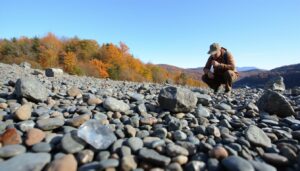
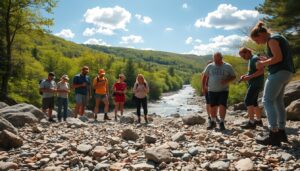
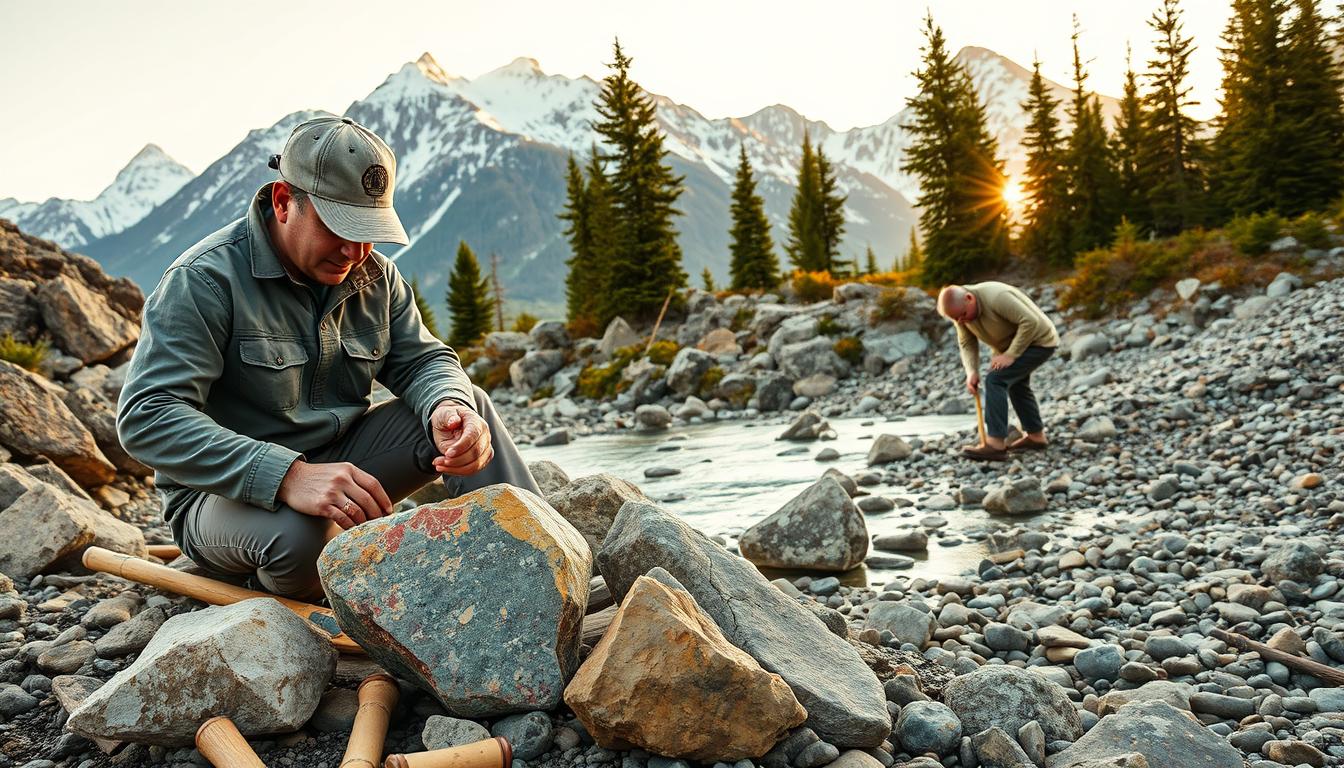
Alaska is a great place for rockhounding. It has vast wilderness and many different kinds of rocks. Rockhounding is when people collect rocks, minerals, and fossils. It’s a fun way to see the beauty of the earth.
What Defines Rockhounding in Alaska
In Alaska, rockhounding means looking for and collecting rocks and minerals. The USDA Forest Service says it’s for personal use. People enjoy finding these treasures.
Alaska’s Unique Geological Features
Alaska is famous for its rocks and minerals. Its land was shaped by volcanoes, glaciers, and tectonic plates. This makes it perfect for rockhounding.
Common Collectible Materials in Alaska
Alaska has many things to collect. Some of the most wanted items are:
Minerals and Gemstones
Alaska has jade, quartz, and other gemstones. You can also find copper, gold, and silver.
Fossils and Petrified Wood
Alaska’s rocks have fossils and petrified wood. They show what the state was like long ago.
Gold and Precious Metals
Gold mining is big in Alaska. Rockhounds love to search for gold. You can also find silver and platinum.
| Material | Common Locations | Notable Features |
|---|---|---|
| Minerals and Gemstones | Rivers, streams, and glacial deposits | Jade, quartz, and other gemstones |
| Fossils and Petrified Wood | Sedimentary rock formations | Ancient plant and animal fossils |
| Gold and Precious Metals | Streams, rivers, and placer deposits | Gold nuggets and flakes |
https://www.youtube.com/watch?v=3wgLz1u9RdE
Knowing about Alaska’s rocks and where to find them makes rockhounding better. Whether you’re new or experienced, Alaska has lots to discover.
Rockhounding Laws and Rules in Alaska
Alaska’s vast wilderness is perfect for rockhounding. But, it’s key to know the laws that guide this hobby. Rockhounding fans must follow strict rules to keep their hobby fun and legal.
Federal Regulations on BLM and National Forest Lands
Alaska has lots of land managed by the BLM and USFS. On BLM lands, you can rockhound for personal use. But, there are rules about how much you can take and how you collect it. The USFS also lets you rockhound in national forests, but each forest has its own rules. Always check the local rules before you start collecting.

State Park and State-Owned Land Regulations
Alaska’s state parks and state lands have their own rules. Some places let you rockhound, but others might not. The State of Alaska needs permits for collecting fossils and artifacts. Knowing these rules helps you avoid fines and penalties.
Native Corporation Land Access Rules
A lot of Alaska is owned by Native Corporations. They have their own rules for land access and rockhounding. To rockhound on Native Corporation lands, you need to get permission. This usually means talking to the corporation and agreeing to their rules, which might include paying fees or following certain conditions.
Fossil Collection Specific Regulations
Fossil collecting in Alaska has its own rules, mainly on federal and state lands. On BLM lands, collecting fossils for personal use is allowed but regulated. The National Park Service has stricter rules. On state lands, you need a permit to collect fossils, and the rules are strict to protect Alaska’s fossils.
Penalties for Regulatory Violations
Breaking rockhounding laws in Alaska can lead to big penalties, like fines and losing your finds. It’s important for rockhounding fans to know and follow all laws to avoid these problems. Keeping up with new rules is also key.
In summary, rockhounding in Alaska is a great hobby that needs you to know the laws. By following these rules, you can enjoy your hobby and help protect Alaska’s geological treasures.
Where You Can Legally Rockhound in Alaska
Alaska is great for rockhounding because of its varied geology. Its huge public lands are perfect for finding and collecting rocks and minerals.
Public Lands Open for Collection
The USDA Forest Service lets you rockhound on national forest lands with a free permit. This permit lets you collect rocks, minerals, and fossils for personal use. It’s important to know the rules and get the right permits before you go.
| Land Type | Permit Required | Collection Allowed |
|---|---|---|
| National Forest Lands | Yes (Free Use Permit) | Rocks, Minerals, Fossils |
| State Lands | Varies | Rocks, Minerals, Fossils |
| Private Property | No (Permission from Owner) | Depends on Owner’s Permission |
Restricted and Protected Areas
Alaska has many places for rockhounding, but some areas are off-limits. These include national parks, wildlife refuges, and critical habitat areas.
National Parks and Preserves
National parks and preserves in Alaska are protected. Rockhounding is not allowed here to preserve their natural beauty and history.
Wildlife Refuges
Wildlife refuges protect animals and their homes. Rockhounding is limited here to avoid disturbing the wildlife.
Critical Habitat Areas
Critical habitat areas are very important for the environment. They need special care to keep their natural state.

Private Property Considerations
Respecting private property is key when rockhounding in Alaska. Always ask the landowner’s permission before collecting on private land.
Popular and Legal Rockhounding Locations
For a great rockhounding spot, check out Alaska’s jade boulders. Knowing the rules and respecting the land is important for a good rockhounding experience in Alaska.
Best Practices for Responsible Rockhounding in Alaska
Alaska is a great place for rockhounding, with its vast wilderness and rich history. To keep this place beautiful for others, we must follow best practices.
Environmental Stewardship and Leave No Trace Principles
Rockhounding in Alaska means caring for the environment. We should follow Leave No Trace principles. This means not making big messes, respecting animals, and throwing away trash right.
By doing this, we help keep Alaska’s beauty for everyone.
Safety Considerations in Alaska’s Terrain
Safety is key when rockhounding in Alaska. The land can be tough, with steep hills, fast rivers, and changing weather. It’s important to have the right gear and knowledge, like maps and first aid kits.
Knowing about dangers like animals and bad weather is also important.
Weather and Seasonal Factors
Alaska’s weather can change fast. It’s good to be flexible with plans. Knowing about seasonal factors and being ready for extreme weather helps make rockhounding safe and fun.
Wildlife Awareness
Knowing about wildlife in Alaska is very important. Rockhounding fans should know how to stay safe from animals like bears and moose. Carrying bear spray and making noise while walking can help avoid animal encounters.
Required Permits and Documentation
Before you go, learn about the required permits and documentation. You might need permits for collecting certain things, like in protected areas. Following the rules helps protect Alaska’s nature.
Tools and Equipment Regulations
Some tools and equipment are not allowed in all places. Rockhounding fans should know the rules to avoid trouble. This means knowing what tools are okay in different places, like parks or forests.
Transporting Specimens Out of Alaska
When taking specimens out of Alaska, follow the regulations for exporting certain materials. This might mean getting permits for fossils or other important rocks. Following these rules helps keep Alaska’s geological history safe.
[link-whisper-related-posts]Conclusion
Knowing the Rockhounding Laws and Rules in Alaska is key for a fun and responsible hobby. By learning about federal, state, and Native Corporation land rules, you help protect Alaska’s special rocks and landscapes.
Alaska’s rockhounding rules teach us to care for the environment and respect protected places. Rockhounds must get the right permits, follow safety tips, and carry their finds carefully.
By being careful and respectful, rockhounds help keep Alaska’s beauty alive. Whether you’re new or experienced, knowing and following Alaska’s rockhounding laws is vital for a great time.
FAQ
What is rockhounding?
Rockhounding is a hobby. It involves searching for and collecting rocks, minerals, and fossils.
What are the most common collectible materials found in Alaska?
In Alaska, you can find minerals, gemstones, fossils, petrified wood, and gold.
What are the federal regulations on BLM and national forest lands in Alaska?
The BLM and U.S. Forest Service have rules for collecting materials on public lands. They decide what and how much you can take.
Do I need a permit to collect fossils in Alaska?
Yes, you need a permit to collect fossils on federal lands. There are special rules for vertebrate fossils.
Can I collect rocks on Native Corporation land in Alaska?
You need permission from the landowner to collect rocks on Native Corporation land. There might be specific rules.
What are the penalties for violating rockhounding regulations in Alaska?
Breaking the rules can lead to fines, losing your finds, and other penalties.
Where are some popular and legal rockhounding locations in Alaska?
You can rockhound in places like the Chatanika River and Fortymile River. Juneau and Fairbanks are also good spots.
What are the best practices for responsible rockhounding in Alaska?
Follow environmental rules, respect private land, and obey all regulations and permits.
Can I transport specimens out of Alaska?
Yes, but check the rules for transporting fossils and certain minerals. Always ask the right people first.
What safety considerations should I be aware of when rockhounding in Alaska?
Watch out for terrain dangers, weather, and wildlife. Always carry the right gear and tell someone where you’re going.

Subscribe to Our Newsletter