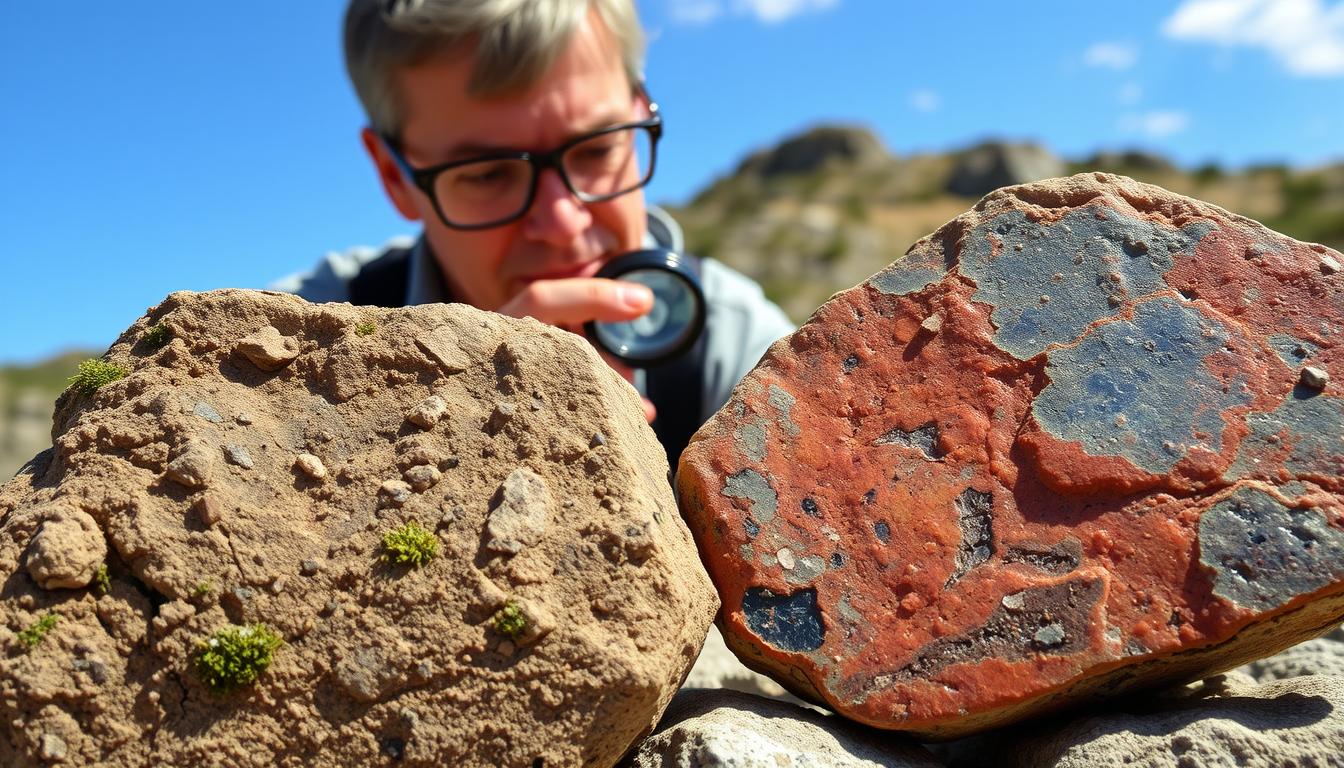
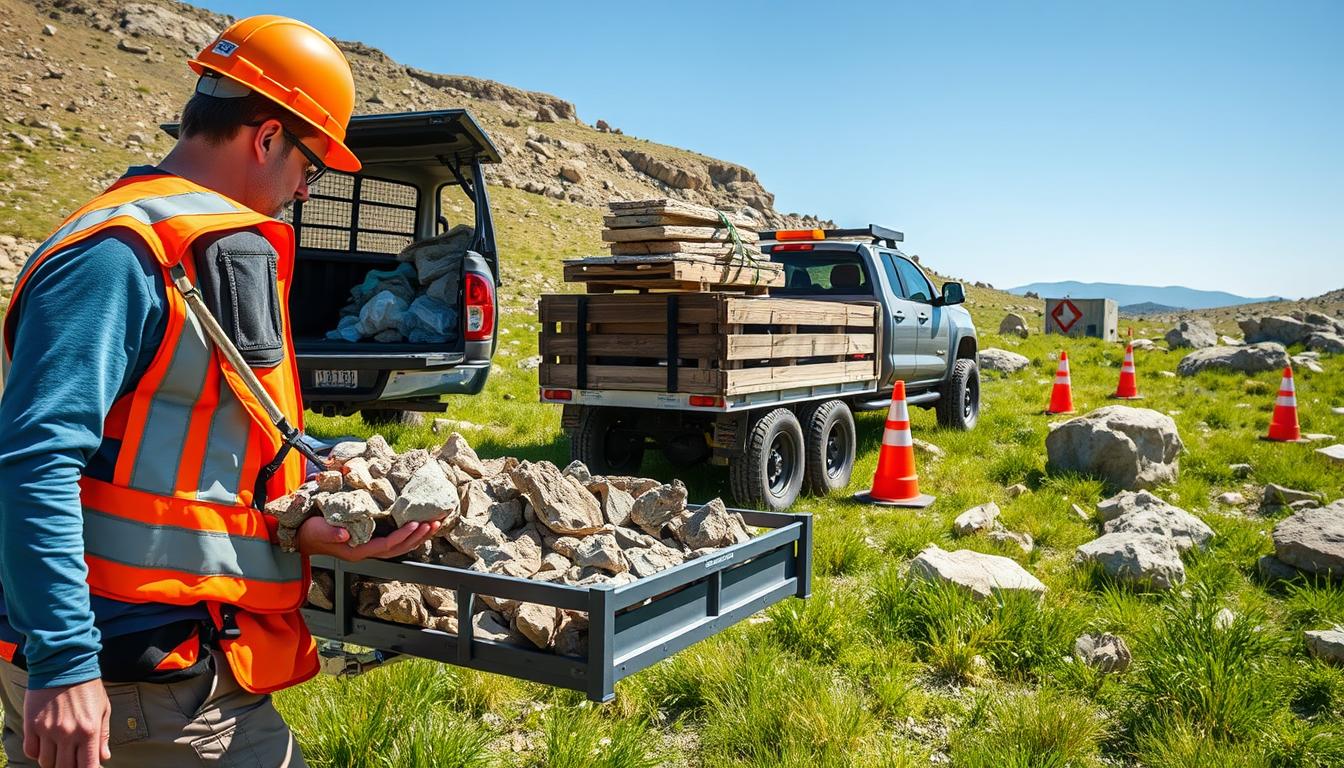
Transporting rocks from the field needs careful planning and execution. Safety precautions are key to avoid accidents and damage.
The process is more than just moving rocks. It requires attention to detail and the right tools for safe transport.
Knowing the challenges and risks of rock transport helps. It allows for steps to be taken to ensure a safe and successful journey.
Key Takeaways
- Proper planning is vital for safe rock transport.
- The right equipment is essential to prevent damage and accidents.
- Understanding risks helps in taking necessary safety steps.
- Safe rock transport needs attention to detail.
- Mitigating risks ensures a successful transport process.
Understanding the Challenges of Rock Transportation
Moving rocks safely needs a deep understanding of the challenges. It’s not just about lifting heavy objects. It also involves careful planning, knowing the hazards, and thinking about the environment.
Common Risks and Hazards
Rock transport can be dangerous. Risks include getting hurt from lifting, damaging the rocks, and harming the environment. Proper handling techniques are key to avoid these dangers. For example, using the right lifting tools can keep you safe.
Importance of Proper Planning
Good planning is vital for safe rock transport. You need to know the size and weight of the rocks. Also, pick the best way to move them and make sure your vehicle can handle it. Planning helps spot risks and take steps to avoid them.
Environmental Impact Considerations
Rock transport can affect the environment. It might spread invasive species or harm ecosystems. It’s important to think about these effects when moving rocks. Cleaning your gear and vehicles between moves can stop invasive species from spreading.
| Consideration | Importance | Action |
|---|---|---|
| Risk Assessment | High | Identify possible dangers |
| Proper Planning | High | Choose the right transport methods |
| Environmental Impact | Medium | Clean equipment to stop invasive species |
Assessing Your Rock Collection Before Transport
Checking your rock collection before moving it is very important. It helps keep your rocks safe and makes moving easier. You need to think about a few things to avoid damage and make sure everything goes smoothly.
Evaluating Size and Weight
Start by looking at how big and heavy each rock is. Knowing this helps you pick the best way to carry and store them. Getting the right measurements and weights means you can find the perfect containers and tools for moving.
Identifying Fragile or Valuable Specimens
Then, find out which rocks are fragile or very valuable. These might need extra care when moving. By spotting these, you can take steps to keep them safe during transport.
Categorizing Rocks for Appropriate Handling
Sorting your rocks by size, weight, and how fragile they are makes handling easier. This way, you can plan the best way to move your collection.
Documentation and Labeling Best Practices
Lastly, it’s key to document and label each rock. This keeps their identity safe and ensures they’re handled right. Include details like where they came from, what they’re like, and any special moving tips. This info is important for moving and for later use.
Essential Equipment for Transporting Rocks
The right tools are key for safely moving rocks. They protect the rocks and keep everyone safe.
Protective Gear for Personal Safety
When moving rocks, safety comes first. Protective gear like gloves, safety glasses, and steel-toed boots are must-haves. Gloves help grip and protect from sharp edges. Safety glasses shield eyes from flying debris. Steel-toed boots keep feet safe from heavy objects.
Containers and Storage Solutions
Choosing the right containers and storage is critical. Durable containers and padded solutions prevent damage. You can use plastic bins, wooden crates, or padded bags.
Lifting and Moving Tools
Right tools are needed to lift and move heavy rocks safely. Both manual and mechanical tools are available.
Manual Tools: Pry Bars, Rock Slings, and Carriers
Manual tools like pry bars, rock slings, and carriers are essential. Pry bars help move rocks into place. Rock slings and carriers make lifting and carrying easier.
Mechanical Assistance: Dollies, Carts, and Winches
For big and heavy rocks, mechanical help is needed. Dollies and carts make moving heavy loads easier. Winches help pull rocks into place or load them onto vehicles.
Using the right equipment ensures a safe and efficient rock transport. Whether it’s protective gear, containers, or lifting tools, the right gear is essential.
How to Transport Rocks Safely From the Field: Step-by-Step Guide
Transporting rocks safely from the field to their destination is key. This guide will help you through each step. It ensures a safe and successful transport process.
Preparation at the Collection Site
Before you start, prepare the collection site well. Clear the area of debris and make sure there’s a clear path to your vehicle. Check the rocks for any hazards. Proper preparation helps prevent accidents and damage.

Proper Lifting Techniques to Prevent Injury
Lifting heavy rocks can be dangerous if not done right. Use proper lifting techniques to avoid injury. Bend at the knees, keep your back straight, and lift with your legs. Team lifting is best for heavier rocks.
Loading Procedures for Different Vehicles
How you load rocks into a vehicle depends on the vehicle and rock size. For pickup trucks, load rocks into the bed and secure them with ropes or straps. For SUVs or vans, place rocks inside carefully. Make sure they are stable and won’t move during transit.
Securing Your Load for Transit
After loading, secure the rocks well to prevent them from moving or falling. Use appropriate securing methods like ropes, straps, or padding. Check the load often during transit to keep it secure.
By following these steps, you can safely transport rocks from the field to their destination. This way, you minimize the risk of damage or injury.
Choosing the Right Vehicle for Rock Transportation
Choosing the right vehicle is key for safely moving rocks. It keeps both the transporter and the rocks safe. The right vehicle stops rocks from getting damaged and makes sure they get to their destination safely.
Pickup Trucks and Trailers: Weight Capacities and Features
Pickup trucks and trailers are great for moving rocks. They are versatile and can carry a lot. When picking a truck, think about its weight capacity and if it has tie-down points to keep the rocks in place.
SUVs and Vans: Interior Protection and Organization
SUVs and vans are good for moving small or fragile rocks. They have a safe inside space. Look for ones with ample storage compartments. Adding padding or dividers can also help prevent damage.
Specialized Equipment for Large Specimens
Big or heavy rocks need special equipment like flatbed trailers or heavy-duty tow vehicles. These provide the additional support and stability needed for safe transport.
Cost Considerations for Different Transportation Methods
The cost to move rocks changes based on the vehicle used. Think about the initial cost, fuel efficiency, and maintenance expenses.
| Vehicle Type | Weight Capacity | Cost Considerations |
|---|---|---|
| Pickup Trucks | Up to 3,000 lbs | Fuel efficiency, maintenance |
| SUVs/Vans | Up to 1,500 lbs | Interior protection, organization |
| Specialized Equipment | Over 5,000 lbs | High initial cost, specialized handling |
Techniques for Moving Different Types of Rocks
Different rocks need special care when moving them. This is true for small rocks, big boulders, and fragile ones. The right way to move them is key for safe transport.
Small to Medium Specimens: Hand Carrying and Containers
Small rocks are easy to carry by hand. Wear gloves to avoid cuts and keep a good grip. For bigger rocks, use containers or boxes with padding.
Choose a container that’s strong and can hold the rock’s weight.
Large Boulders and Heavy Rocks: Mechanical Assistance
Big rocks need machines to move them. Use forklifts, cranes, or rock movers for heavy lifting. Make sure the machine can handle the rock’s weight and that the operator knows how to use it.
Fragile or Delicate Samples: Protective Packaging
Fragile rocks need extra protection. Wrap them in foam or bubble wrap to cushion them. Put them in strong boxes and fill empty spaces with packing materials.
Specialty Rocks: Fossils, Crystals, and Geodes
Special rocks like fossils and crystals need special care. Use custom foam inserts or special containers to protect them. This helps prevent damage during transport.
Using these methods, you can safely move any rock, big or small.
Safety Precautions Throughout the Journey
To transport rocks safely, it’s key to take the right steps. We must keep both the rocks and people safe.
Pre-Trip Vehicle Inspection
Do a pre-trip vehicle inspection before you start. Check the tires, brakes, and suspension. Make sure all lights and signals work.
| Inspection Item | Status |
|---|---|
| Tire Pressure | OK |
| Brakes | OK |
| Suspension | OK |
Rest Stops and Load Checks
Stop often to check the load and make sure it’s secure. This stops loads from shifting and causing accidents.
Weather-Related Safety Considerations
Watch out for weather conditions that might affect your trip. Try to avoid bad weather. Change your route if needed.
Emergency Procedures for Shifting Loads
If a shifting load happens, know what to do. Keep a safe distance from others. Pull over to a safe spot to check the load again.
By taking these safety precautions, you can lower the risks of rock transport.
Legal Considerations and Permits
It’s key to know the legal side of moving rocks. Rock lovers must follow rules to stay out of trouble.
Weight and Permit Considerations
Following weight limits on roads is a must. Heavy vehicles can cause fines and safety risks. Also, getting collection permits is vital, mainly for rocks from protected spots or private lands.
Crossing State Lines and Insurance
When crossing state lines with rocks, know each state’s rules. Also, think about insurance coverage for your collection. It helps protect against loss or damage while moving.

| Legal Consideration | Description | Importance |
|---|---|---|
| Weight Restrictions | Adhering to road weight limits | High |
| Collection Permits | Obtaining permits for collected rocks | High |
| State Regulations | Complying with state laws on geological materials transport | Medium |
| Insurance Coverage | Protecting valuable rock collections | Medium |
Preventing Damage During Transport
It’s very important to keep rocks safe during transport. This is true for science, decoration, or just collecting. We must make sure they stay in good shape.
Cushioning and Padding Methods
Good cushioning helps absorb shocks and vibrations. Use foam, bubble wrap, or soft padding for your rocks. Proper cushioning can really help prevent damage.
Preventing Shifting and Movement
It’s key to keep your rocks from moving. Use straps, ties, or sealed containers to hold them in place. This stops them from getting scratched or hit during the trip.
Temperature and Humidity Control for Sensitive Specimens
Some rocks are very sensitive to changes in temperature and humidity. Use vehicles or containers that keep a steady climate. This helps keep them safe.
Vibration Reduction Techniques
Vibrations can harm your rocks. Use materials that dampen vibrations or plan your route carefully. This helps reduce the harm from shaking.
[link-whisper-related-posts]Conclusion: Ensuring Successful Rock Transportation
Transporting rocks needs careful planning and the right tools. It’s also important to focus on safety. Knowing the challenges and assessing your collection are key steps.
Safe transport practices are critical. This includes using proper lifting techniques and securing your load. It helps prevent damage and injury. Choosing the right vehicle is also important for safe transport.
By following these tips and practicing safe transport, collectors can keep their specimens safe. This guide offers a detailed overview for successful rock transportation.
FAQ
What are the most common risks associated with transporting rocks?
Risks include injury from lifting, damage to rocks, and spills or loss during transit.
How do I assess the size and weight of my rock collection before transport?
Measure and weigh each rock. This helps choose the right transport method.
What type of equipment is needed for transporting rocks safely?
You’ll need gloves, safety glasses, and containers. Also, dollies or forklifts for heavy rocks.
How can I prevent damage to my rocks during transportation?
Use padding and secure the load. Control temperature and humidity for sensitive rocks.
What are the legal considerations for transporting rocks across state lines?
Check permits, weight limits, and restrictions on certain rocks when crossing state lines.
How do I choose the right vehicle for transporting my rock collection?
Look at weight capacity, protection, and cost. Choose a truck, trailer, SUV, or van based on your collection’s size and weight.
What safety precautions should I take during the journey?
Inspect your vehicle before you go. Make stops to check the load. Be ready for weather changes and have a plan for emergencies.
Are there any specialized techniques for moving different types of rocks?
Yes, methods vary by rock type. Small rocks can be carried or put in containers. Large rocks need mechanical help. Fragile rocks need special packaging.
Do I need insurance coverage for my rock collection during transport?
Yes, insurance is a good idea, even more for valuable collections. Talk to your insurance provider about your needs.
How can I ensure my rock collection is properly secured during transport?
Use straps, ropes, or containers to keep rocks in place. Check the load often to keep it secure.

Subscribe to Our Newsletter