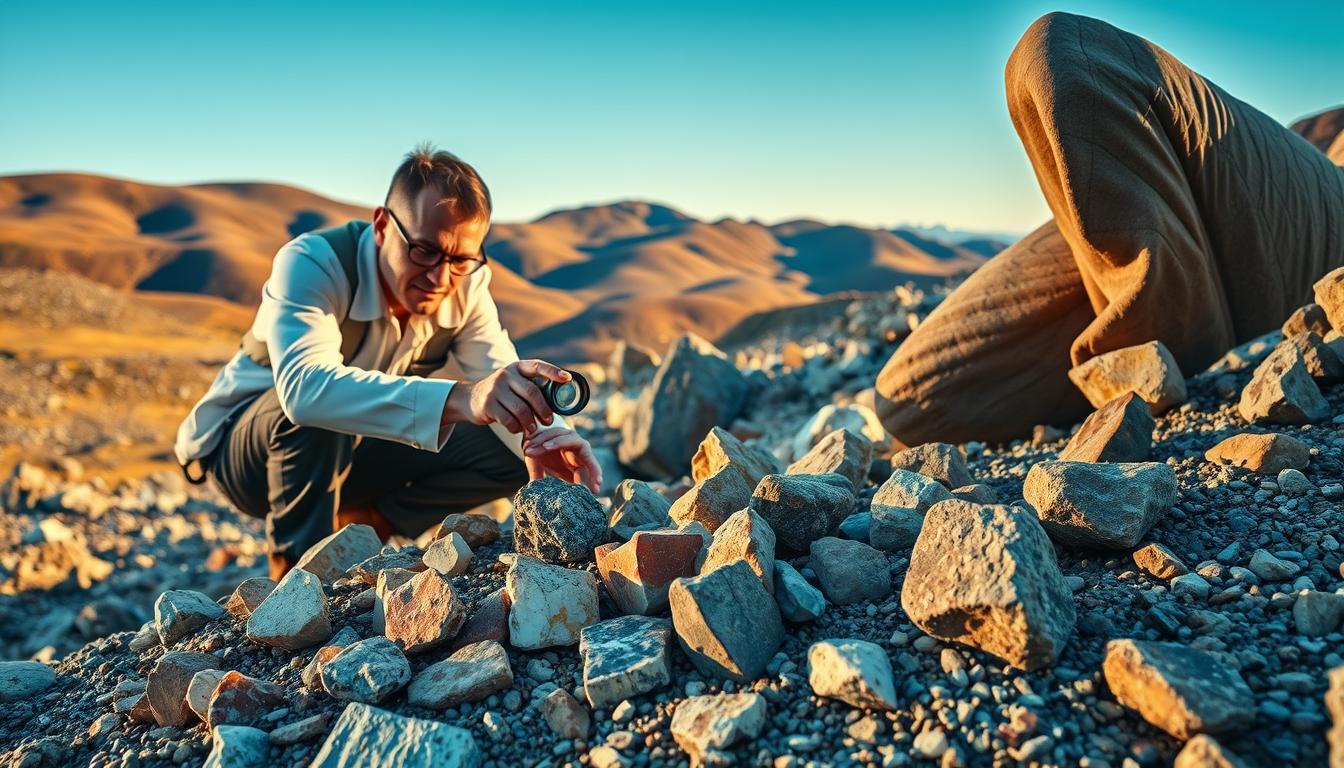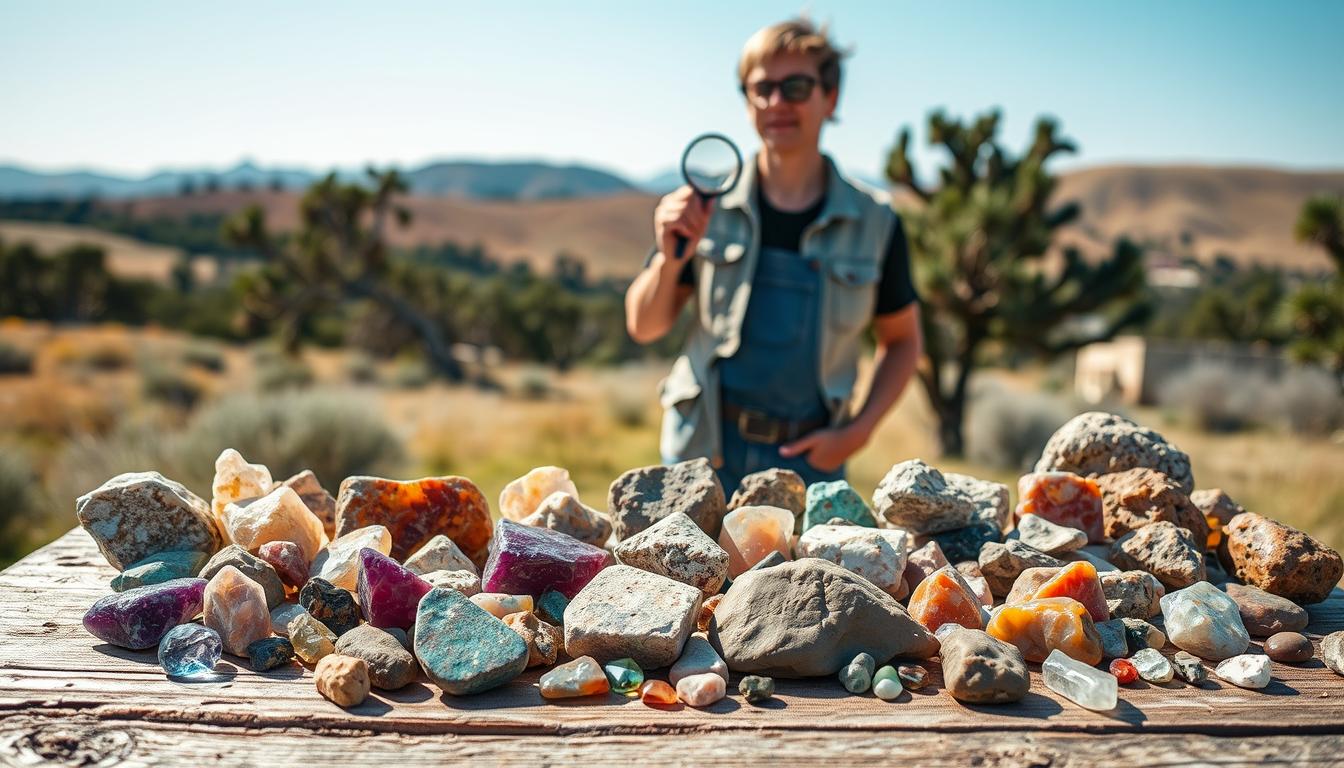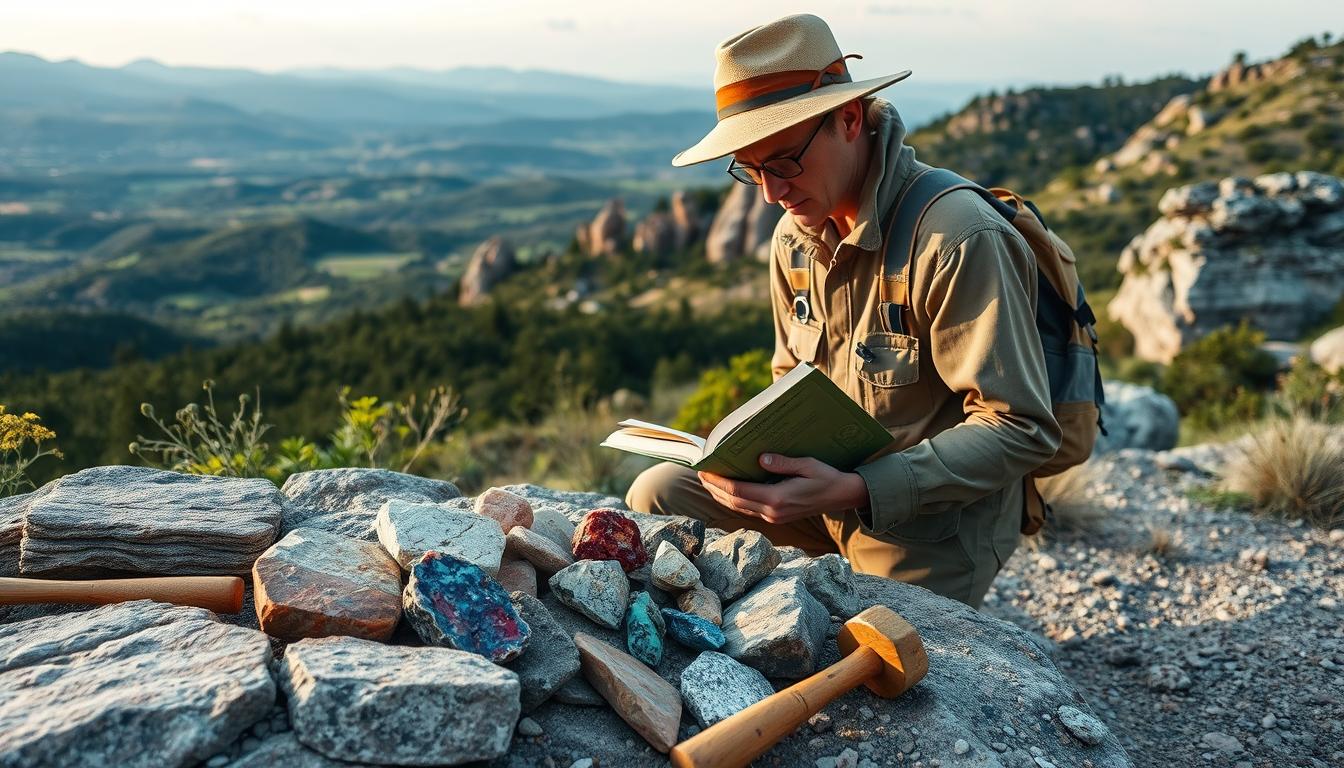
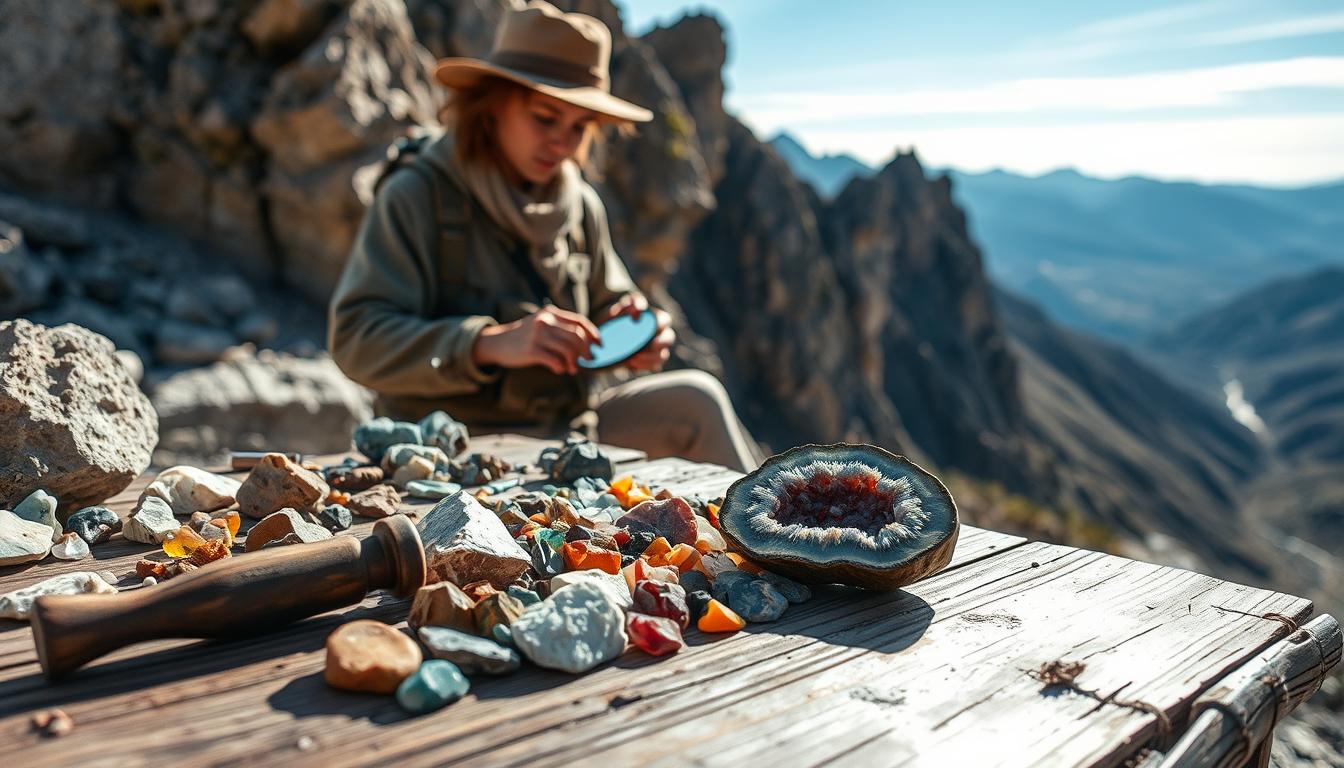
Rockhounding is a fun hobby where you explore nature to find rocks, minerals, and fossils. Preparation is key for a great rockhounding trip, even in remote places.
With the right planning and tools, rockhounding can be very rewarding. It lets you see the earth’s history and find special rocks.
Key Takeaways
- Research and planning are key for a successful rockhounding trip.
- Having the right equipment is essential for rockhounding in remote areas.
- Understanding the terrain and weather is vital for safety.
- Rockhounding can provide a unique insight into the earth’s history.
- Proper preparation can make the experience fun and rewarding.
The Appeal and Challenges of Remote Rockhounding
Remote rockhounding is exciting because it challenges adventurers and rewards them with unique finds. These areas have untouched geological formations. This gives rockhounding fans a chance to discover rare minerals and gemstones.
Why Remote Areas Offer Unique Rockhounding Opportunities
Remote places have untouched geological formations, perfect for rockhounding. With less human activity, the terrain is less disturbed. This means a better chance to find rare geological specimens.
Unique geological formations like volcanic regions, caves, and mineral-rich areas attract rockhounding fans.
| Geological Formation | Characteristics | Potential Finds |
|---|---|---|
| Volcanic Regions | Igneous rocks, lava flows | Agate, obsidian |
| Caves | Karst topography, speleothems | Crystals, rare minerals |
| Mineral-rich Areas | Deposits of metallic ores | Quartz, metallic minerals |
Understanding the Risks and Rewards
Remote rockhounding has big rewards but also big risks. Harsh weather, tough terrain, and accidents are just a few challenges. Knowing these risks helps prepare for a successful trip.
By understanding the risks and taking precautions, adventurers can have a safe and rewarding experience. The chance to find rare minerals and gemstones makes it all worth it.
Research and Planning: The Foundation of Successful Trips
Rockhounding in remote areas needs careful planning and research. This helps navigate challenges and enjoy the rewards. Good research and planning are key to a successful trip. They help find the best spots and get ready for any challenges.
Identifying Promising Locations and Formations
Finding good spots for rockhounding is very important. It means studying geological formations and understanding local geology. Online resources, geological surveys, and rockhounding reports help a lot.
Utilizing Geological Maps and Reports
Geological maps and reports are very useful for planning. They show the area’s geological structure, including rocks and minerals. By using these, rockhounds can understand the terrain better and find good spots.
Weather Patterns and Seasonal Considerations
Knowing the weather and seasons is key for a safe trip. Bad weather can be dangerous, and knowing the seasons helps prepare. Checking weather forecasts and planning around seasonal extremes makes the trip safer and more fun.
Essential Gear for Remote Rockhounding Expeditions
Going on a rockhounding trip in remote places needs careful gear choice. The right stuff helps get specimens, keeps you safe from the weather, and helps you move through tough areas.
Basic Rockhounding Tools and Equipment
A rockhounding trip needs the right basic tools. These include:
Hammers, Chisels, and Extraction Tools
A geologist’s hammer is key for breaking rocks and getting specimens. Chisels and other tools help with precise work.
Protective Gear and Eyewear
Safety goggles and gloves are must-haves. They protect you from flying rocks and sharp edges. Keeping your eyes safe is very important.
Specimen Containers and Wrapping Materials
After getting specimens, they need safe storage. Use containers and wrapping like bubble wrap or paper to keep them safe while moving.
Specialized Equipment for Remote Areas
Remote rockhounding trips need extra gear. This includes GPS for finding your way and satellite phones for emergencies. Check out our gear guide for more info.
Transportation and Storage Solutions
Good ways to carry and store gear and specimens are key. Use backpacks and strong containers to move your stuff and keep specimens safe.
Choosing and packing the right gear makes rockhounding trips better and safer. It ensures a productive and fun trip.
Safety Equipment and Emergency Preparedness
Rockhounding in remote places needs the right gear and knowledge. It’s an exciting adventure but also risky. You could get hurt, lost, or face harsh weather.
Comprehensive First Aid and Survival Kits
A good first aid kit is key for quick injury treatment. It should have wound care, pain relief, and your personal meds. Check out rockhounding.org for top picks. Don’t forget a survival kit with a water filter, emergency shelter, and fire starter.

Communication Devices and Signal Equipment
Being able to communicate in emergencies is critical. Carry satellite phones or two-way radios to stay in touch. Use flares, mirrors, or whistles to signal for help if needed.
Emergency Protocols and Evacuation Plans
Knowing emergency plans is vital. Learn to navigate with a map and compass. Understand weather and area hazards. Tell someone your plans and when you’ll return, so they can help if needed.
How to Prepare for Rockhounding Trips in Remote Areas: A Complete Guide
Before you head out for rockhounding, think about a few important things. It’s not just about the gear you bring. You need to be physically ready, plan well, and make sure your vehicle is ready too.
Physical Conditioning and Fitness Considerations
Rockhounding can be tough. You’ll hike far, carry heavy stuff, and face rough terrain. So, getting in shape is key. Begin training a few weeks before by doing cardio, strength exercises, and stretching.
Food, Water, and Shelter Planning
Planning for food, water, and shelter is a must. Bring non-perishable, high-energy foods and enough water for your trip. Think about using a water filter or purification tablets too. For shelter, pack a strong tent and a warm sleeping bag for the weather.
Vehicle Preparation and Maintenance
Your vehicle is your lifeline to remote sites. Check your vehicle before you go. Make sure the oil, tires, brakes, and suspension are all good. Don’t forget a basic toolkit, spare tire, and emergency items like jumper cables and a first-aid kit.
By focusing on these areas, you’ll be ready for a safe and fun rockhounding trip. These rockhounding tips will make your adventure unforgettable.
Navigation and Orientation Skills
To navigate remote rockhounding sites, you need both modern and traditional skills. Good navigation is key for a safe and successful trip.
GPS and Digital Navigation Tools
GPS devices and digital tools have changed rockhounding trips. They track your location precisely and are great in remote places. When picking a GPS, think about battery life, how durable it is, and how well it gets satellite signals.
Traditional Map and Compass Skills
Even with GPS, knowing how to use maps and compasses is important. They help you find your way when GPS fails.
Marking and Recording Locations
It’s important to mark and record where you find rocks. Use GPS waypoints, note coordinates, and keep a detailed log of your finds.
| Navigation Tool | Advantages | Limitations |
|---|---|---|
| GPS Devices | High precision, easy to use | Battery dependent, signal loss |
| Map and Compass | Independent of batteries, skill-based | Requires knowledge, subject to human error |
| Logbook Records | Permanent record, descriptive | Dependent on accurate note-taking |
Using GPS, maps, and compasses, and keeping detailed records helps rockhounding. It makes your trips more successful and fun.
Legal Considerations and Land Access
Before you start your rockhounding adventure, it’s important to know the laws of the area. You need to understand who owns the land, get the right permits, and respect private property.
Land Ownership Categories
Public, private, and federal lands have their own rules for rockhounding. Knowing these categories helps you avoid trespassing and follow local laws.
Required Permits and Regulations
Some places need permits for rockhounding, like protected areas. Getting the right permits is key to planning a rockhounding expedition well.
Claim Awareness and Respecting Boundaries
Private claims and mining areas might have restricted access. Knowing and respecting these boundaries is both legal and safe for rockhounding safety.
By following these legal steps, rockhounding fans can enjoy their hobby safely. They can also avoid legal problems and conflicts with landowners.
Field Techniques for Successful Rockhounding
Rockhounding is all about using the right field techniques. These methods help you find, collect, and record your finds. They make your rockhounding adventures even better.
Mineral and Rock Identification Methods
Knowing how to identify minerals and rocks is key. You can look at their color, shine, and hardness. You can also do simple tests to learn more.
For beginners, rockhounding for beginners has great tips. It’s a good place to start.
Key identification methods include using a hand lens or magnifying glass. You can also use field guides or geological maps to help figure out what you’ve found.
Extraction and Collection Best Practices
Using the right rockhounding equipment is vital. You might need rock hammers, chisels, and hand saws. It depends on the rock or mineral and where it’s found.
It’s important to not damage the area around your finds. Make sure you don’t harm other rocks or the site. Always follow local rules about collecting rocks and minerals.
Documenting and Cataloging Your Finds
Keeping a record of your finds is important. Write down the date, where you found it, and what it looks like. Take pictures too.
Using a catalog or logbook helps you keep track of your collection. It also gives you rockhounding tips for future trips. Think about using digital tools or apps for cataloging.

Conclusion
Getting ready is key for a safe and fun rockhounding trip, even in remote places. By following the tips in this article, you can have a great time. Research, planning, the right tools, safety steps, and knowing the law are all important for rockhounding adventures.
To get ready for rockhounding in remote areas, learn about the local rocks, weather, and dangers. Knowing this and having the right gear and safety plans helps you face challenges. By being careful and prepared, you can find unique rocks and have a great time.
In the end, a well-prepared rockhounding trip is unforgettable. It lets you connect with nature and find hidden treasures.
FAQ
What are the most essential items to include in a rockhounding kit for remote areas?
A rockhounding kit for remote areas needs basic tools like rock hammers and chisels. Don’t forget protective gear like safety goggles and gloves. Also, include a first aid kit, communication devices, and tools like a GPS and compass.
How can I research and identify promising rockhounding locations in remote areas?
To find good spots, study geological maps and reports. Learn about local geology and look for areas with minerals or gemstones. Use online resources, geological surveys, and forums to get info.
What safety precautions should I take when rockhounding in remote areas?
Always carry a first aid kit and communication devices. Tell someone your plans. Know basic first aid and have an evacuation plan. Watch out for harsh weather and tough terrain.
How do I navigate effectively while rockhounding in remote areas?
Use GPS and digital tools, and also know how to read maps and compasses. Mark your path to find your way back. Bring a handheld GPS and a detailed map.
What are the legal considerations for rockhounding in remote areas?
Know about land ownership and get the right permits. Respect private claims and boundaries. Check local laws and get permissions before collecting rocks or minerals.
How can I ensure I’m physically prepared for a rockhounding trip in a remote area?
Check your fitness level and the trip’s demands. Train and plan for rest, food, and water. Think about the terrain, climate, and your gear’s weight.
What are the best practices for extracting and collecting rocks and minerals?
Use the right tools and try not to harm the environment. Document your finds. Follow local rules and respect private property.
How should I store and transport my rockhounding finds?
Keep your finds safe in padded containers or boxes. Secure them when moving to avoid damage. Check transport rules for geological specimens.

Subscribe to Our Newsletter