
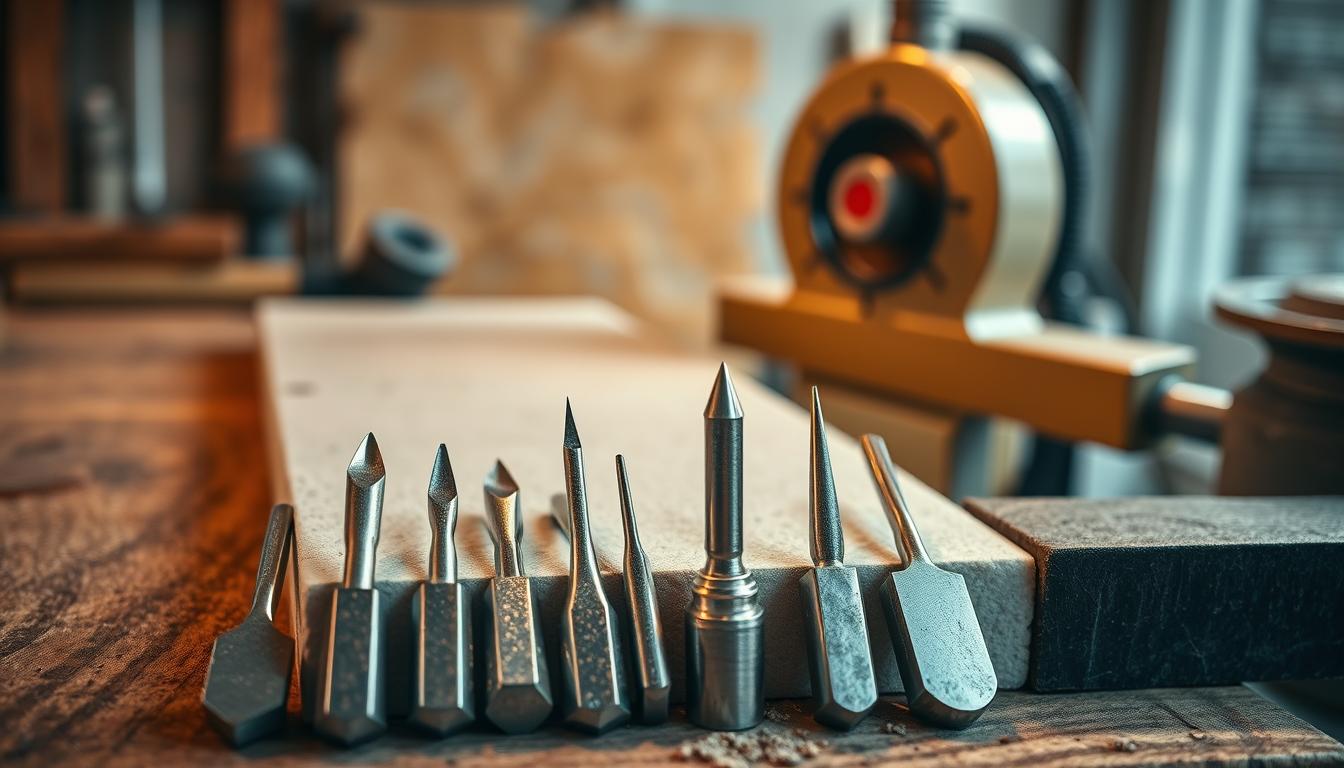
Natural stone countertops add elegance, durability, and value to any home. But, even the toughest stones can crack and chip if not cared for right. Cutting stones needs precision and the right methods to keep them safe.
Working with natural stone means knowing the problems that can happen if you don’t use the right techniques. Dealing with stone cracking during cutting is a big challenge. But, it can be lessened with the right steps.
Key Takeaways
- Use the correct blade to reduce stress and prevent cracks.
- Maintain blade sharpness to minimize friction and heat.
- Control cutting speed to avoid uneven pressure.
- Make multiple shallow passes for thicker or harder stones.
- Use water for cooling to minimize friction and thermal stress.
Understanding Stone Properties and Behavior
Knowing the type of stone you’re working with is key to cutting it right. Each stone has its own special traits that change how it should be cut. For example, granite needs diamond blades because of its hardness and density. Marble, on the other hand, can crack easily and needs careful handling.
It’s important to know these differences to avoid cracks and get precise cuts.
Different Types of Stones and Their Cutting Challenges
Each stone type has its own cutting challenges. The main types are sedimentary, igneous, and metamorphic stones.
Sedimentary Stones (Sandstone, Limestone)
Sedimentary stones, like sandstone and limestone, are made from compressed sediments. They are softer and more likely to crack because of their layered structure. Careful handling and the right tools are key to avoid damage.
Igneous Stones (Granite, Basalt)
Igneous stones, such as granite and basalt, cool and solidify from magma or lava. They are harder and denser, needing strong tools like diamond blades. A study shows the right blade can greatly lower the chance of cracking in granite and similar hard stones.
Metamorphic Stones (Marble, Slate)
Metamorphic stones, like marble and slate, change from other stones under high pressure and heat. Marble is likely to crack and needs precise cutting. Slate can be cut easily but may have internal fissures.
Natural Fault Lines and How to Identify Them
Natural fault lines in stones can change how they cut. Finding these fault lines before cutting helps plan the cut to avoid cracking. Visual checks and special tools are used to spot these weaknesses.
The Role of Moisture Content in Stone Integrity
The moisture in a stone can affect its strength during cutting. Stones with a lot of moisture may crack more easily because of water pressure in their pores. Keeping the moisture level right is important to prevent cracks.
Common Causes of Cracks When Cutting Stones
Knowing why cracks happen when cutting stones is key. Cracks can waste a lot of material and cost more. Many things can cause cracks, like the stone’s properties and how you cut it.
Improper Tool Selection and Maintenance
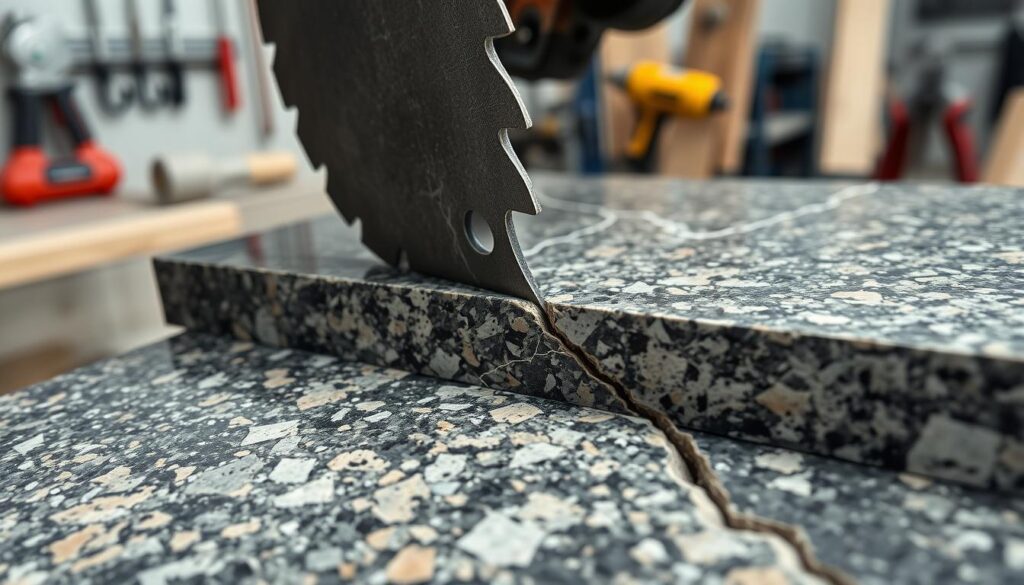
Using the wrong tools or not keeping them up can cause cracks. Diamond blades are best for cutting stones, but they need to be in good shape. It’s important to clean and check them often.
- Choose the right diamond blade for the type of stone being cut.
- Regularly inspect and maintain cutting tools.
- Replace worn-out blades to prevent damage.
Incorrect Cutting Speed and Pressure
Too much pressure or the wrong speed can cause cracks. Knowing the best speed and pressure for each stone is key.
- Start with a slow cutting speed to avoid initial shock.
- Adjust pressure according to the stone’s hardness.
- Monitor the cutting process to make necessary adjustments.
Temperature Fluctuations During Cutting
Changes in temperature can cause thermal shock, leading to cracks. Keeping the temperature steady with cooling systems helps.
Water cooling systems are great for keeping the temperature stable. This is very important when cutting dense stones that get hotter.
Inadequate Support and Stabilization
Not supporting the stone well can cause vibrations and cracks. It’s important to hold the stone securely.
- Use stabilizing equipment to secure the stone.
- Ensure the cutting area is free from vibrations.
Cutting Against the Grain or Natural Cleavage
Cutting against the grain increases the risk of cracks. Knowing the stone’s natural cleavage is important for clean cuts.
Knowing the grain direction before cutting helps plan the cut. This knowledge can lower the risk of cracks and improve the cut’s quality.
By understanding and fixing these common causes of cracks, stone cutters can do better. Using the right techniques and tools is key to getting great results.
Essential Tools and Equipment for Crack-Free Stone Cutting
Choosing the right tools and equipment is key to avoiding cracks when cutting stone. The correct machinery and accessories improve cut quality and lower damage risk.
Diamond Blade Selection for Different Stone Types
The diamond blade you pick matters a lot. It depends on the stone type. Harder stones need special blades.
Segmented vs. Continuous Rim Blades
Segmented blades work best for hard stones. They cool and remove debris well. Continuous rim blades are better for soft stones. They give a smoother finish.
Blade Diameter and Thickness Considerations
Blade size and thickness are important too. Thicker blades last longer but get hotter. Thinner blades cut cleaner but break easier.
Water Cooling Systems and Their Implementation
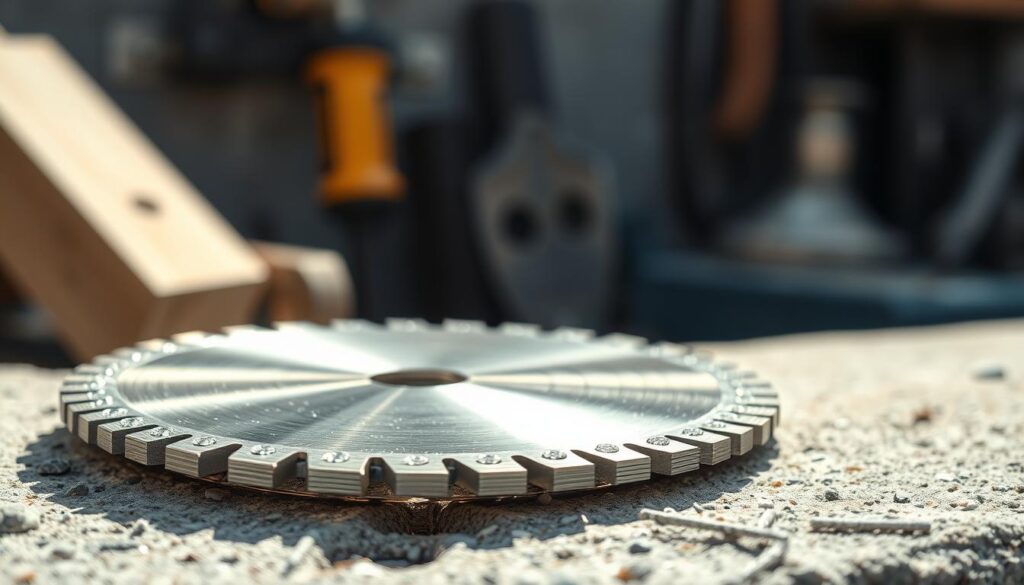
Water cooling systems are key to avoiding cracks. They keep the stone cool during cutting. A good cooling system makes cutting better.
Stabilizing Equipment and Support Structures
Stabilizing tools and supports are vital. They keep the stone steady during cutting. This stops unwanted movements that could cause cracks.
Safety Equipment for Precision Work
Safety gear like goggles and gloves is essential. It keeps you safe and helps you cut more accurately.
Using the right tools and equipment makes stone cutting better. You get cleaner cuts and fewer cracks.
How to Avoid Cracks When Cutting Stones: Step-by-Step Techniques
Avoiding cracks when cutting stones is a detailed process. It involves careful planning and precise execution. This guide will show you how to cut stones without cracks, from planning to finishing.
Pre-Cutting Assessment and Planning
Before cutting, understand the stone’s type, natural faults, and moisture. This knowledge is key to a successful cut.
Marking and Measuring Best Practices
Accurate marking and measuring are vital. Use a sharp marker for clear lines and double-check your measurements.
Creating Relief Cuts for Complex Shapes
Relief cuts help with complex shapes. They reduce stress and prevent cracking. These cuts make removing material easier.
Proper Cutting Technique Execution
Executing the cut correctly is as important as planning. Start the cut right and keep pressure and speed consistent.
Starting the Cut Correctly
Start with a gentle touch. Avoid too much pressure at the start to prevent cracking.
Maintaining Consistent Pressure and Speed
Keep pressure and speed steady once started. This ensures a smooth cut and less chance of cracking.
Managing Heat and Friction During Cutting
Controlling heat and friction is key. Water cooling systems help reduce heat and friction, preventing damage.
| Technique | Description | Benefit |
|---|---|---|
| Water Cooling | Using water to cool the blade and stone during cutting. | Reduces heat buildup and friction, minimizing the risk of cracks. |
| Relief Cuts | Creating additional cuts to reduce stress on the stone. | Helps in preventing cracks, even in complex shapes. |
| Consistent Pressure | Maintaining steady pressure during the cut. | Ensures a smooth cut and reduces the risk of cracking. |
Handling and Turning Stones During the Process
Handling and turning stones need care. Support the stone well and turn it gently to avoid stress and cracks.
Finishing Techniques to Prevent Edge Cracks
Finishing techniques like grinding and polishing remove minor cracks. Proper finishing improves the cut’s quality.
By following these steps, you can cut stones without cracks. This leads to professional-quality results.
Mastering Stone Cutting Precision
Understanding stone properties helps avoid cracks when cutting. This ensures projects are done well. Using stone cutting precision methods is key for success.
Choosing the right tools and techniques is vital. Managing heat and friction also helps. The importance of precision in stone cutting is huge.
Following the tips in this article can improve your skills. It also reduces waste and boosts project efficiency. Good stone cutting methods make the stone strong and look great.
FAQ
What are the most common types of stones used for countertops, and how do they behave during cutting?
Granite, marble, and quartz are common for countertops. Granite is hard and dense. Marble is softer and can crack easily. Quartz is very hard and hard to cut.
Knowing your stone’s properties is key to avoiding cracks when cutting.
How can I identify natural fault lines in stone, and what precautions should I take when cutting near them?
Look for cracks or fissures to find fault lines. When cutting near them, cut slowly and gently. This helps avoid making the crack worse.
Using a diamond blade with lots of diamonds can also help prevent cracking.
What role does moisture content play in stone integrity, and how can I minimize its impact during cutting?
High moisture can make stone more likely to crack. Store stones dry and use a water cooling system to prevent overheating.
What are the most common causes of cracks when cutting stones, and how can I avoid them?
Cracks often come from using the wrong tool, cutting too fast, or not supporting the stone well. Choose the right diamond blade, cut at a steady speed, and support the stone properly.
What are the best practices for cutting stones against the grain or natural cleavage?
Cut slowly and gently against the grain or cleavage. This reduces stress on the stone. A diamond blade with lots of diamonds can also help prevent cracks.
How can I ensure that my stone cutting equipment is properly maintained to prevent cracks?
Regularly check and replace worn-out diamond blades. Clean and lubricate the equipment. Make sure it’s calibrated right.
What safety equipment is necessary for precision stone cutting, and how can it help prevent cracks?
Wear gloves, safety glasses, and a dust mask. These protect you and improve visibility. Using stabilizing equipment keeps the stone stable and prevents cracks.
What are some effective finishing techniques to prevent edge cracks in stone countertops?
Use a polishing wheel to smooth edges. Apply a stone sealant to protect from moisture. Use an edge profiling tool for a smooth, rounded edge.

Subscribe to Our Newsletter