Rock collecting is more than just a hobby. It opens the door to the world of geology. It lets people explore their local area and learn about Earth’s history.
Responsible rockhounding practices are key to keeping our planet beautiful. When rock collectors go outside, they must think about their impact. They should respect the land and its resources.
By following rockhounding ethics, fans can make sure this hobby lasts for many years.
Key Takeaways
- Understand the importance of responsible rockhounding practices.
- Learn about the impact of rock collecting on the environment.
- Discover ways to adopt rockhounding ethics.
- Explore the role of conservation in rockhounding.
- Find out how to preserve natural resources while rock collecting.
What is Rockhounding and Why Ethics Matter
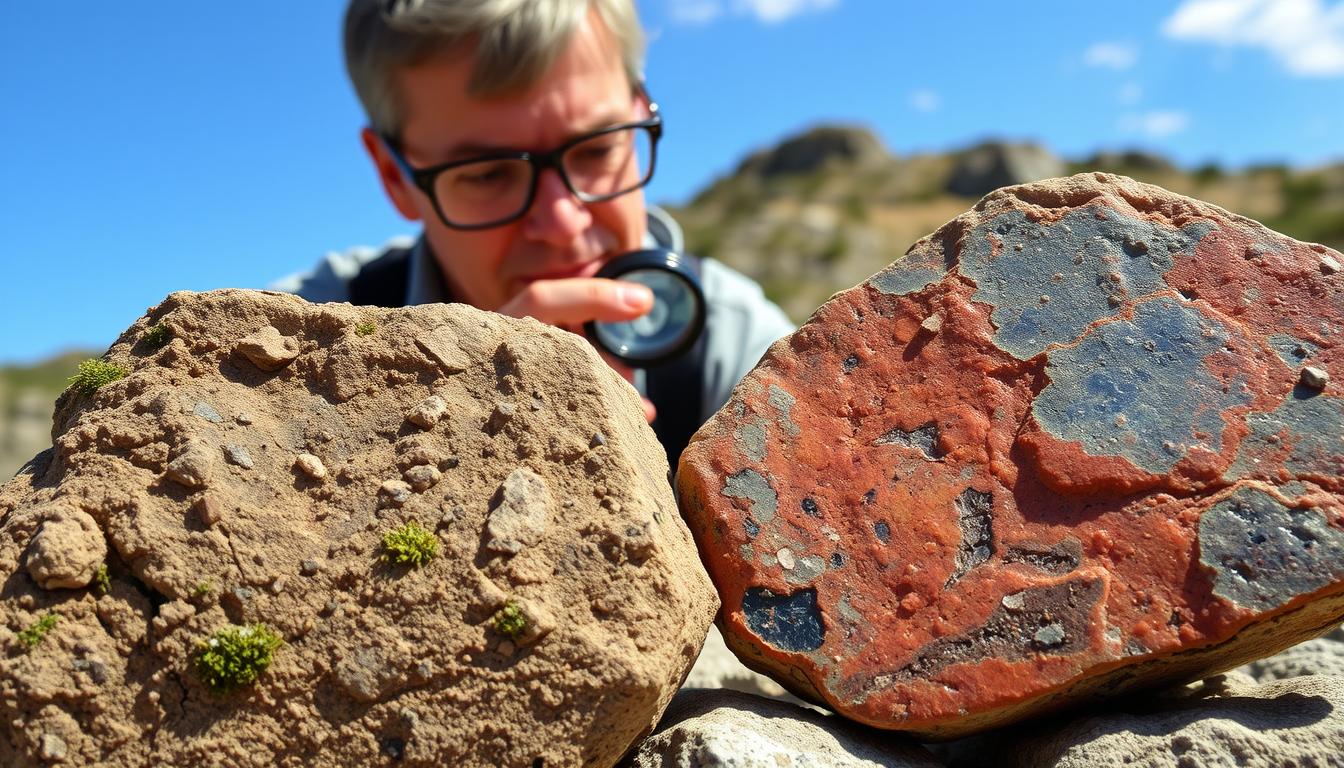
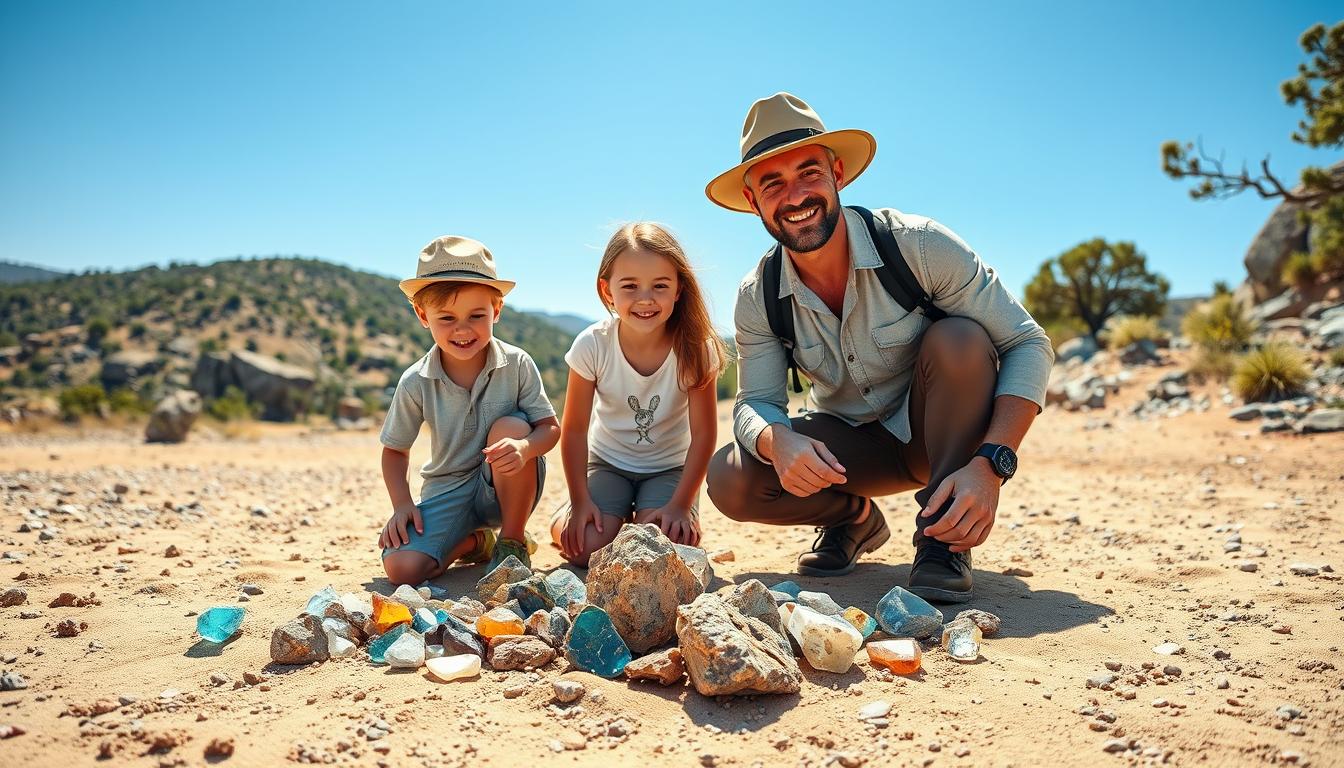
Rockhounding is more than a hobby. It’s a way to connect with nature and find earth’s secrets. People search for rocks, minerals, and fossils in places like parks and streams.
Defining Rockhounding for Beginners
Rockhounding mixes geology, archaeology, and adventure. Beginners learn about rocks and minerals. They also learn about local geology and how to collect.
The Growing Importance of Ethical Practices
As rockhounding becomes more popular, ethics matter more. Ethical practices protect the environment. They include respecting private property and following local rules.
The Scientific and Educational Value of Responsible Collecting
Responsible rockhounding helps science and education. It lets us learn about earth’s history and biodiversity. Schools and researchers use these collections to teach geology.
Knowing a place’s geological history helps rockhounds identify rocks. Learning local rules ensures collecting is done right. Here are some key ethical rockhounding practices:
| Practice | Description | Benefit |
|---|---|---|
| Respect Private Property | Get permission before collecting on private land | Keeps good relations with landowners |
| Follow Local Regulations | Know and follow local laws and rules | Helps collecting stay sustainable |
| Minimize Environmental Footprint | Leave areas untouched, avoid harming habitats | Protects nature for the future |
The Fundamental Principles of Rockhounding Ethics
Rockhounding is more than just a hobby. It teaches us about the earth and helps keep it safe for others. It’s based on simple rules that make our hobby fun and kind to the planet.
Leave No Trace Philosophy
The “Leave No Trace” idea is key in rockhounding. It teaches us to not hurt the environment. We should not dig where we shouldn’t, pull out plants, or leave trash behind.
By keeping the earth as we found it, we show respect. We care for the land and everyone who uses it.
Take Only What You Need
It’s important to only take what we really need. This means not taking too many rocks or minerals. We should think about how our actions affect the earth.
This way, we can enjoy collecting without harming the environment. It’s all about being careful and responsible.
Respecting Private and Protected Lands
We must respect private and protected lands. Always ask before collecting on private property. Knowing the rules in protected areas is also important.
This helps keep the earth safe and keeps us in good standing with landowners. For more tips on rockhounding, check out guidelines on collecting rocks, gems, and minerals.
Understanding Legal Considerations in Different Areas
Rockhounding is getting more popular. It’s important to know the laws that govern it in different places. Rockhounding fans need to follow rules that change a lot from one area to another.
Knowing the laws helps reduce harm to the environment. It also helps make rockhounding more sustainable. These rules protect the environment and the hobby, so future rockhounding fans can enjoy it too.
Public Land Regulations in the United States
In the U.S., public lands have their own rules for rockhounding. Some places let you collect rocks and minerals for fun without a permit. But, others might need you to get permission or have rules on what you can collect.
Key regulations to be aware of include:
- Checking with local land management offices for specific rules
- Understanding the distinction between recreational and commercial collecting
- Being aware of any closed or restricted areas
State-Specific Rules for Rockhounding
Rules for rockhounding differ from state to state. Some states have stricter laws than others. For example, some states protect certain rocks or areas of interest. It’s key for rockhounding fans to know the rules in the states they visit.
Obtaining Proper Permits and Permissions
Getting the right permits and permissions is vital for legal rockhounding. This might mean getting permits from government agencies or permission from private landowners. Following these rules helps avoid legal trouble and keeps the hobby sustainable.
By following these legal guidelines, rockhounding fans can protect the environment. This ensures the hobby stays enjoyable for years to come.
Beginner Guide to Rockhounding Ethics and Conservation Practices
Rockhounding is becoming more popular. It’s key for beginners to know about ethical practices. This includes collecting in a way that doesn’t harm the environment. It’s also important to document finds responsibly.
Sustainable Collection Methods
Collecting sustainably means only taking what you need. Make sure to leave the site as you found it. Remove trash and fill in holes. Don’t harm plants or go into protected areas without permission.
Minimizing Your Environmental Footprint
To lessen harm to the environment, use hand tools instead of big machines. Stick to marked paths and avoid sensitive areas. Knowing and following local rules is also vital.

Documenting and Labeling Your Finds Responsibly
Keep a record of when and where you found something. Label your finds with this info. This helps you keep track and aids scientists. Store your finds safely to prevent damage.
| Practice | Description | Benefit |
|---|---|---|
| Hand Tool Usage | Using hand tools for collection | Reduces soil disturbance |
| Staying on Trails | Avoiding sensitive habitats | Preserves vegetation and habitats |
| Proper Documentation | Recording find details | Enhances scientific value |
Tools and Equipment: The Ethical Approach
Ethical rockhounding begins with picking the right tools and equipment. The right tools make the rockhounding experience better. They also help ensure it’s done in a responsible way.
Low-Impact Tools for Beginners
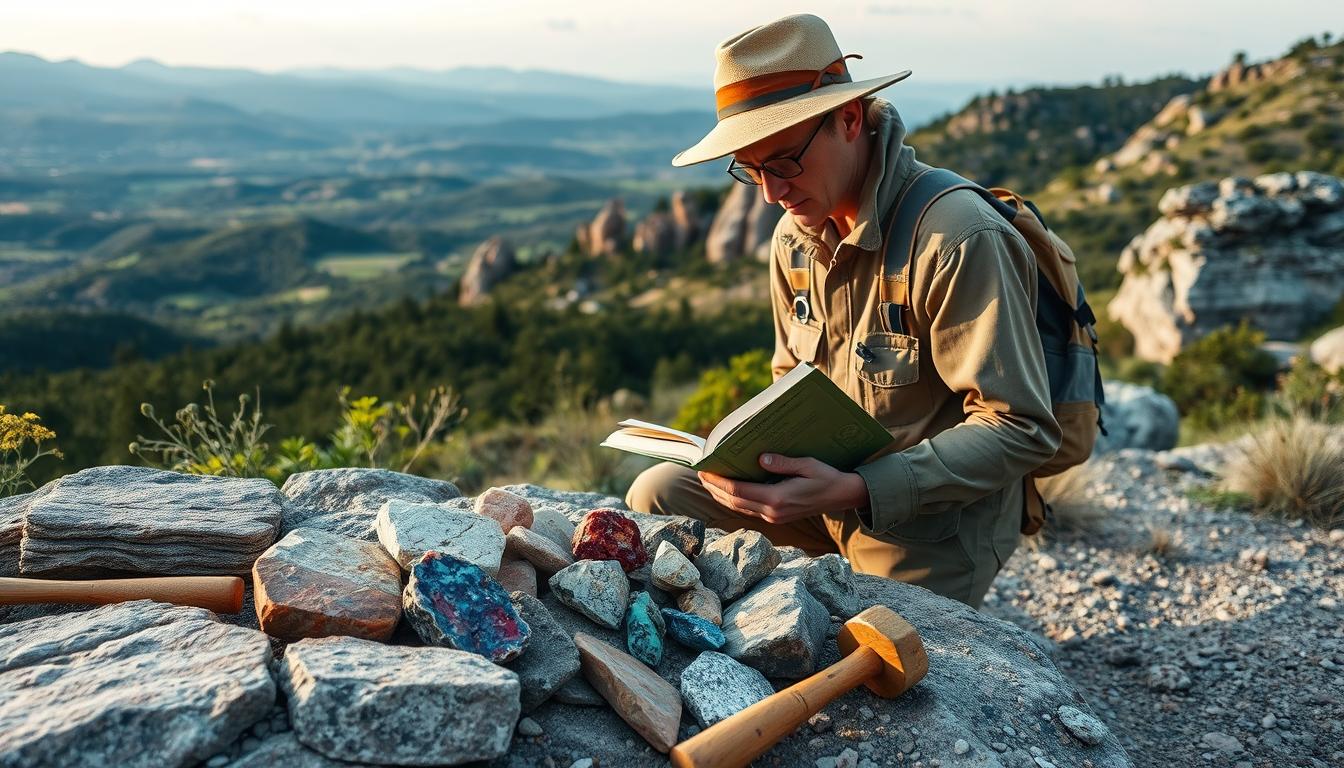
For beginners, it’s key to start with tools that don’t harm the environment. Tools like a geologist’s hammer, chisel, and goggles are good for collecting without causing damage. These tools are effective and help keep collecting safe.
When and How to Use More Intensive Equipment
As you get more experience, you might need more powerful tools. But, it’s important to know when and how to use them right. Use these tools carefully to avoid harming the environment. Always follow local rules for using heavy equipment in rockhounding areas.
Choosing the right tools and using them wisely helps rockhounding enthusiasts. They can help with rockhounding conservation and follow responsible rockhounding practices.
Special Ethical Considerations for Different Materials
Rockhounding comes with ethical thoughts on collecting materials. Minerals, fossils, and gemstones each need special care. This is because they are unique and have their own rules for collecting.
Mineral Specimens: Sustainable Practices
Collecting minerals needs careful thought to protect the environment. It’s important to take specimens without harming the area around them. Rockhounds should try to leave the site as they found it.
Fossil Ethics: Preserving Scientific Value
Fossils are not just pretty; they’re also very important for science. When collecting fossils, it’s key to keep them whole and in context. This means noting where they were found and with what else.
Gemstones and Crystals: Responsible Collection
Gathering gemstones and crystals can affect the environment and natural resources. It’s important to collect them in a way that doesn’t harm the planet. Also, follow local laws and get the right permits.
Here’s a table that shows the main ethical points for each material:
| Material | Ethical Considerations | Best Practices |
|---|---|---|
| Mineral Specimens | Minimizing environmental impact, preserving geological formations | Sustainable extraction, habitat preservation |
| Fossils | Preserving scientific value, maintaining contextual information | Careful documentation, preserving integrity |
| Gemstones and Crystals | Minimizing environmental footprint, adhering to local regulations | Responsible collection, obtaining necessary permissions |

Building Community Through Ethical Rockhounding
Creating a community around ethical rockhounding is key for the planet. Rockhounding fans can share tips and help the earth together. This way, everyone wins.
Joining Local Clubs and Organizations
Joining local clubs is a great way to learn about rockhounding. These groups let you meet others who love rocks. You can go on trips and help protect the environment.
Educating Others About Conservation
Telling others about conservation is vital. By teaching about green practices, you help the community grow. You can lead workshops or just talk to friends about it.
Reporting Significant Finds to Scientific Institutions
Telling scientists about big finds is important. It helps research and teaches us more about the earth. This benefits everyone, including the hobby itself.
The table below shows why building a community is good:
| Benefits | Description |
|---|---|
| Knowledge Sharing | Sharing knowledge and best practices among community members |
| Conservation Efforts | Contributing to conservation projects and promoting sustainability |
| Scientific Research | Reporting significant finds to scientific institutions to advance research |
By following ethical rockhounding, we can all help the earth. As more people join, we must keep focusing on being green. This way, rockhounding can continue to be fun and safe for all.
[link-whisper-related-posts]Conclusion: Becoming a Steward of Nature Through Ethical Rockhounding
Rock collecting is more than a hobby. It’s a journey into Earth’s history. Each rock has a story of geological processes that span millions of years.
In this Beginner Guide to Rockhounding Ethics and Conservation, we learned how important it is. Adopting responsible rockhounding practices is key to preserving these natural wonders.
By following the guide’s principles, rockhounding enthusiasts can make their hobby last. This means respecting private and protected lands, getting the right permits, and leaving a small environmental footprint. These actions keep geological sites intact and build a community that cares about conservation.
Rockhounding enthusiasts are important in protecting Earth’s geological heritage. By choosing responsible rockhounding, we can enjoy this hobby while helping our planet. Embracing ethical rockhounding is a step towards a better future for everyone.
FAQ
What is rockhounding, and why is it important to practice it ethically?
Rockhounding is collecting rocks, minerals, and fossils. It’s important to do it right. This means not harming the environment and respecting private lands. It also helps keep things interesting for others in the future.
What does “Leave No Trace” mean in the context of rockhounding?
“Leave No Trace” means not to mess up the place. Rockhounds should not damage the land. They should only take what they need and make sure to clean up after themselves.
How can I ensure I’m rockhounding on public lands legally?
To rockhound legally, learn the local rules. Get any needed permits. Follow what the land managers say, like the Bureau of Land Management or the U.S. Forest Service.
What are some sustainable collection methods for rockhounding?
Good methods include only taking what you need. Stay away from sensitive areas. Use tools that don’t hurt the environment. This keeps the place good for others to enjoy.
Why is it important to document and label rockhounding finds responsibly?
It’s key to keep the finds valuable for science. This lets others study them later. It also helps share knowledge with the rockhounding world.
How can I get involved in the rockhounding community and promote ethical practices?
Join local clubs and help with conservation. Teach others about being kind to the earth. Share your finds with science groups to help everyone learn.
What are some special ethical considerations for collecting different materials like minerals, fossils, and gemstones?
Each type needs its own care. Fossils should not hurt the rock around them. Gemstones should not harm the earth and must follow local laws.
How can I minimize my environmental footprint while rockhounding?
Use tools that don’t hurt the earth. Stay away from sensitive spots. Only take what you really need. Clean up after yourself and try to make things as they were.
What should I do if I find a significant specimen, such as a rare fossil or mineral?
If you find something special, tell a science group or a museum. This helps keep it safe for study. It also shares knowledge with more people.

Subscribe to Our Newsletter