The world of gemstones is full of sparkles and beauty. But, talking about it can be hard because of the gemstone and faceting vernacular complexity.
Knowing lapidary terms is key in the gemstone world. It helps everyone talk clearly. This article will dive into gem cutting terminology. We’ll explore the basics of lapidary.
Key Takeaways
- Understanding lapidary terminology is essential for effective communication in the gemstone industry.
- The article will cover various lapidary terms and concepts.
- Gem cutting terminology is a critical aspect of lapidary.
- Lapidary glossary is a valuable resource for professionals and enthusiasts.
- Clear understanding of lapidary terms enhances appreciation of gemstones.
Understanding the Art of Lapidary
Lapidary is an ancient craft that involves cutting and polishing gemstones. It needs precision, patience, and a deep understanding of lapidary techniques vocabulary. Over centuries, lapidaries have perfected the art of turning rough gemstones into beautiful jewelry pieces.
What is Lapidary?
A lapidary is someone skilled in cutting, polishing, and engraving gemstones. The word “lapidary” comes from the Latin for “cutter” or “faceter.” To learn more, check out this resource for an introduction to the lapidary arts.
The History and Significance of Lapidary Work
Lapidary work has a long history, with gemstone cutting dating back to ancient times. It’s significant because it brings out the hidden beauty in gemstones. This makes them perfect for jewelry and decorative items. Knowing gemstone cutting terms and lapidary jargon defined helps us appreciate the skill in lapidary work.
Essential Lapidary Tools and Equipment Terminology
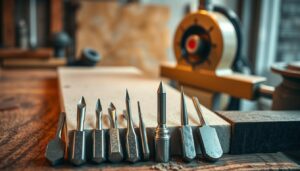
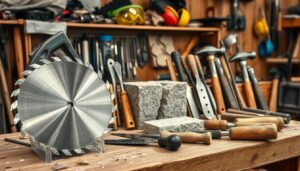
Lapidary work needs many tools to cut, shape, and polish gemstones. Knowing the terms for these tools is key for anyone into lapidary. This section will cover the main lapidary tools and equipment. It will explain what they do and why they’re important.
Cutting and Sawing Tools
Cutting and sawing are key steps in lapidary. The right tools help get precise cuts and save material.
Saws and Blades
Saws and blades cut gemstones. There are many types, like trim saws and slabbers, for different tasks. Diamond-coated blades are best for hard gemstones.
Trim Saws and Slabbers
Trim saws are for precise cuts and trims. Slabbers cut big stones into slabs. These tools are vital for shaping gemstones.
Grinding and Sanding Equipment
Grinding and sanding shape and polish gemstones. The right tools give a smooth finish and make the gemstone look better.
Grinding Wheels and Grits
Grinding wheels shape and grind gemstones. Grits, from coarse to fine, smooth out the surface. The grit choice depends on the finish and gemstone hardness.
Flat Laps and Discs
Flat laps and discs sand and polish gemstones. They’re made of materials like ceramic and diamond-coated. These tools offer precision and control.
Polishing Tools and Materials
Polishing is the last step in lapidary, making the gemstone shine. The right tools and materials are key for a brilliant finish.
For more on lapidary techniques and processes, check out our Lapidary Essential Guide.
Basic Lapidary Terms Explained: Stone Types and Materials
Gemstones are at the heart of lapidary art. They come in many types and classifications. Knowing these helps lapidary fans see the special qualities and value of each gemstone.
Gemstone Classifications
Gemstones are sorted by their traits, properties, and makeup. The main groups are precious and semi-precious stones. Also, crystalline and amorphous materials.
Precious vs. Semi-Precious Stones
The difference between precious and semi-precious stones is old and based on rarity and value. Precious stones like diamonds, rubies, and emeralds are very valuable because they’re rare and beautiful. Semi-precious stones, like quartz, amethyst, and garnet, are also loved for their looks but are more common.
Crystalline vs. Amorphous Materials
Gemstones can also be sorted by their crystal structure. Crystalline stones, like quartz and diamond, have a clear crystal lattice. Amorphous stones, like obsidian and opal, don’t have a crystal structure.
Mineral Hardness and Properties
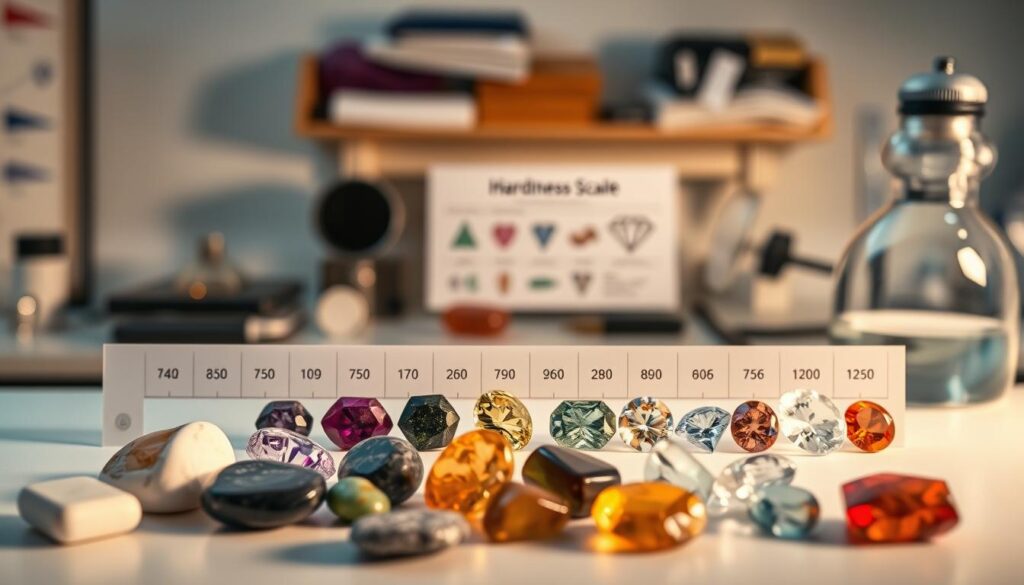
The hardness of a gemstone is key for its durability and jewelry use. The Mohs scale measures hardness, from 1 (softest) to 10 (hardest).
| Gemstone | Mohs Hardness | Properties |
|---|---|---|
| Diamond | 10 | Exceptional hardness, brilliant luster |
| Quartz | 7 | Common, versatile, often used in jewelry |
| Opal | 5.5-6.5 | Iridescent, delicate, requires careful handling |
Knowing a gemstone’s hardness and other traits is key for lapidary work. It guides the cutting, polishing, and setting processes.
Lapidary Techniques and Processes Vocabulary
Lapidary work includes many techniques, like cabochon cutting and faceting. Each has its own special words. Knowing these terms is key for those in the lapidary arts.
Cabochon Cutting Terminology
Cabochon cutting shapes stones into smooth, rounded forms. Important terms for cabochon cutting are:
- Doming: The process of shaping the stone into a curved form.
- Shaping: The first step of cabching, where the stone is roughly shaped.
Cabochon styles and shapes differ, with common ones being oval, round, and freeform.
Doming and Shaping Terms
Doming makes the stone’s surface curved. Shaping is the first step in forming the stone’s shape.
Cabochon Styles and Shapes
Cabochons come in various shapes, including:
| Shape | Description |
|---|---|
| Oval | An elliptical shape, often used for pendants and rings. |
| Round | A circular shape, commonly used for cabochons. |
| Freeform | A shape that is not symmetrical, often used for unique designs. |
Faceting Terms
Faceting cuts a stone into multiple flat surfaces, or facets, that refract light. Important terms are:
- Crown: The upper part of a faceted stone.
- Pavilion: The lower part of a faceted stone.
Facet types and patterns differ, with common ones being brilliant cut and step cut.
Crown and Pavilion Terminology
The crown and pavilion are key parts of a faceted stone. The crown is the top, and the pavilion is the bottom.
Facet Types and Patterns
[link-whisper-related-posts]Conclusion: Mastering Lapidary Language
Knowing lapidary terms is key for those in the gemstone world. By learning the lapidary glossary, you can move easily in the gemstone cutting and polishing world. Important terms cover cutting styles like cabochon and faceting, plus lapidary techniques.
Knowing lapidary language helps everyone talk better. It shows respect for the skill needed to make gemstones into stunning pieces. Whether you’re experienced or new, knowing these terms is vital for doing well in the field.
By learning from this article, you’ll start to understand lapidary techniques and terms well. This knowledge will help you as you dive into the world of gemstones and lapidary work.
FAQ
What is lapidary, and how does it relate to gemstones?
Lapidary is the art of cutting, polishing, and engraving gemstones. It uses special techniques and tools. These help turn raw stones into beautiful, valuable gemstones.
What are the different types of lapidary techniques?
There are many lapidary techniques. Cabochon cutting shapes stones into rounded or oval forms. Faceting cuts stones into flat surfaces to reflect light.
What is the difference between precious and semi-precious gemstones?
Precious gemstones like diamonds and rubies are rare and valuable. Semi-precious stones, like quartz, are more common and less expensive.
What is the Mohs hardness scale, and how is it used in lapidary?
The Mohs hardness scale shows how well a mineral resists scratches. It helps lapidaries choose the right tools and methods for each gemstone.
What are some common lapidary tools and equipment?
Common tools include saws, grinders, and polishing wheels. These help cut, shape, and polish gemstones.
What is the difference between crystalline and amorphous gemstones?
Crystalline gemstones, like quartz, have a specific structure. Amorphous gemstones, like opal, do not.
How do lapidaries determine the value of a gemstone?
Lapidaries look at hardness, clarity, color, and cut. Rarity and demand also affect a gemstone’s value.
What is faceting, and what are some common faceting styles?
Faceting cuts gemstones into flat surfaces to reflect light. Styles include the brilliant cut and step cut.
What is cabochon cutting, and when is it used?
Cabochon cutting shapes stones into rounded forms. It’s used for stones like turquoise and moonstone.

Subscribe to Our Newsletter